
Burst Pipe Water Damage in Boise: Emergency Steps, Restoration, and What Insurance Actually Covers
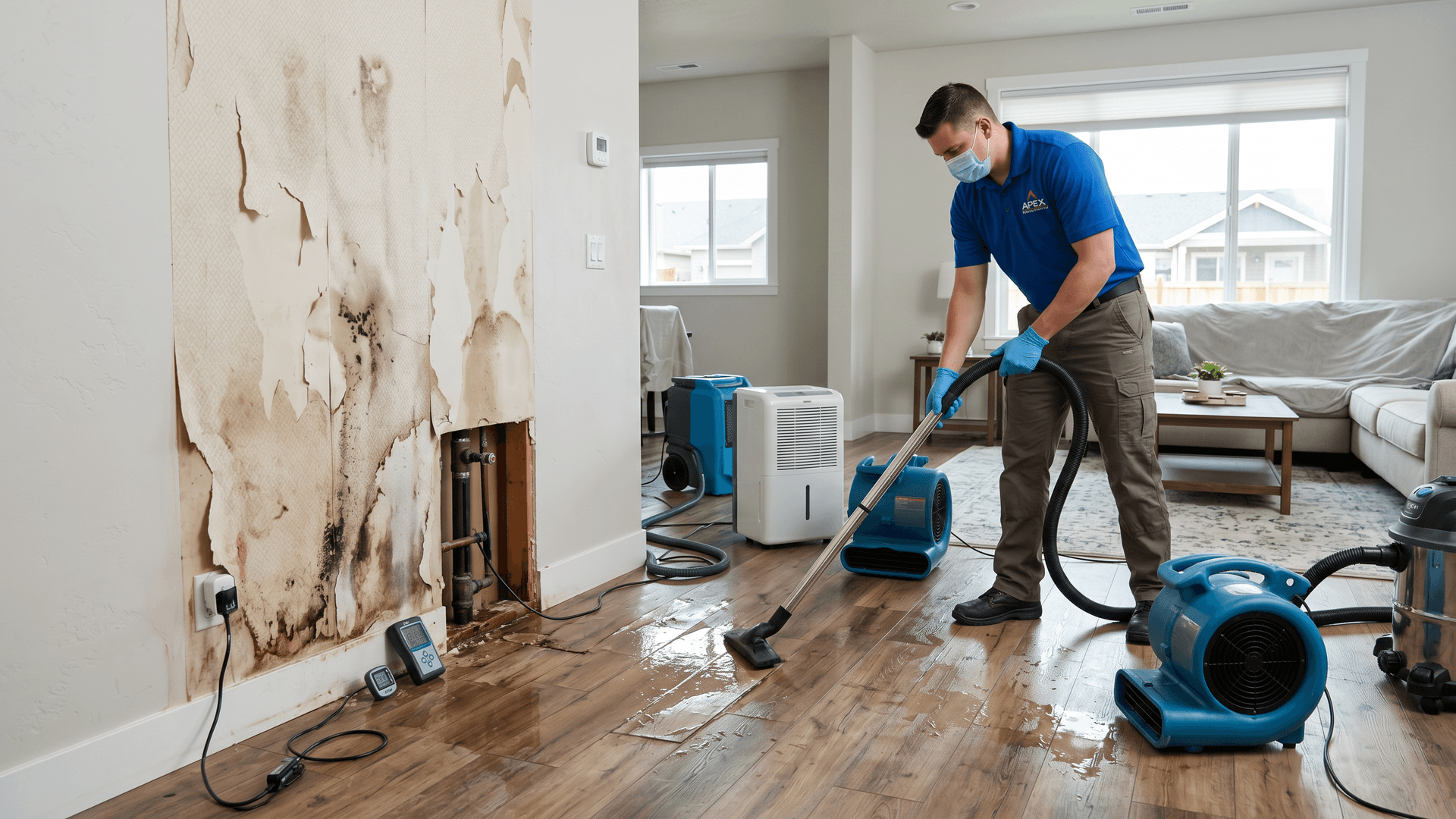
A burst pipe in your Boise home can release hundreds of gallons of water in minutes — and the decisions you make in the first hour determine how much damage you're left dealing with. Whether you're in the middle of an emergency right now or trying to understand what comes next, this guide covers everything Boise homeowners need to know: from shutting off your water and navigating the restoration process, to filing an insurance claim without getting burned. We've also included honest, locally-informed guidance that most restoration companies won't tell you.
Get Your Quote
Ready to handle this with a pro?
You're reading about What Should You Do Immediately After a Burst Pipe in Boise. Get a fast quote for water damage restoration service in Boise, ID from Apex Restoration.
What Should You Do Immediately After a Burst Pipe in Boise?
How to Find and Shut Off Your Main Water Valve Fast
Most Boise homes have the main shutoff near the water meter — check the garage, crawl space, or utility room first. Look for copper or galvanized pipe running through the floor or wall leading to either a gate valve or a ball valve. Turn a gate valve clockwise to close it; a ball valve closes with a single quarter-turn. If you can't locate your interior shutoff, the city meter shutoff at the curb is your backup.
Locate this valve before an emergency happens. Knowing where it is saves critical minutes when water is actively spreading through your home.
Stopping the Damage Before Help Arrives
Turn off electricity to any affected rooms at the breaker panel if water is near outlets, appliances, or your electrical panel — water and live circuits are a serious safety hazard. Move valuables, furniture, and electronics out of standing water immediately. Do not use a standard household vacuum to extract water; it isn't designed for this and creates electrocution risk. Open windows and doors if outdoor temperatures allow to begin passive drying while you wait for professionals.
Calling the Right People in the Right Order
Call a licensed Boise plumber first — restoration companies handle water removal, not pipe repair. Before anything is moved or cleaned, document all visible damage thoroughly with photos and video, because your insurance claim depends on this record. Notify your insurance company or agent as soon as the immediate emergency is under control. Be cautious of unsolicited restoration crews showing up at your door; this is a known practice after major weather events in the Treasure Valley, and pressure to sign contracts on the spot is a red flag.
Why Are Boise Homes Especially Vulnerable to Burst Pipes?
Boise's Freeze-Thaw Cycles and What They Do to Pipes
Boise doesn't experience the sustained deep freezes of colder northern climates — instead, it sees repeated freeze-thaw cycles each winter that cause pipe stress through constant expansion and contraction. Pipes in uninsulated crawl spaces, exterior walls, and garages are the highest-risk locations in Boise's housing stock. The Ada County hazard vulnerability analysis identifies winter storm events as a significant infrastructure risk for the region. Even a single night below 20°F — which Boise regularly sees from November through February — is enough to freeze and burst an exposed pipe.
Older Housing Stock and Legacy Pipe Materials in the Treasure Valley
Established Boise neighborhoods like the North End, the Bench, and older parts of Meridian and Nampa frequently have galvanized steel or polybutylene pipes that are decades past their service life. Galvanized pipes corrode from the inside out, narrowing flow and weakening pipe walls until pressure causes a failure — often without any visible warning signs. Homes built before 1990 should have a licensed plumber assess pipe material and condition as a proactive measure. Soil movement and settlement in the Treasure Valley also places ongoing mechanical stress on underground and slab-run pipes over time.
Irrigation Systems and Outdoor Spigots: A Hidden Boise Risk
Boise's widespread residential irrigation systems are a frequently overlooked burst pipe source — lines left pressurized through winter will freeze and fail. Outdoor hose bibs must be drained and shut off from the interior valve before the first hard freeze each fall; don't rely on frost-free spigots alone during sustained cold snaps. Backflow preventers on sprinkler systems are especially vulnerable and often crack silently, causing damage that isn't discovered until spring startup. The City of Boise's guidance on stormwater system operation and maintenance provides useful context on how residential drainage connects to broader infrastructure, and this risk is one of the most common preventable causes of water damage in the Boise area.
What Does the Burst Pipe Water Damage Restoration Process Actually Look Like?
Water Extraction and the First 24 to 48 Hours
Professional water extraction uses truck-mounted or portable units capable of removing thousands of gallons — far beyond what any consumer equipment can handle. Technicians assess water category (clean, gray, or black) and water class to determine the full scope of drying needed, following standards set by the IICRC, the industry's certification and standards organization. Subfloor, wall cavities, and insulation absorb water rapidly and must be tested with moisture meters — visible surface dryness is not the same as structural dryness. A thorough room-by-room walkthrough during extraction often reveals damage in adjacent rooms, ceilings below upper-floor leaks, and inside wall cavities that look completely dry on the surface.
Structural Drying, Drywall, and Ceiling Mitigation
Industrial air movers and dehumidifiers typically run continuously for three to five days minimum in most Boise residential losses — cutting this short is one of the most common ways restoration jobs fail. Drywall below the moisture line is usually removed in controlled cuts, called "flood cuts," to allow wall cavity drying without full demolition. Ceiling damage from an upper-floor or attic pipe burst requires careful structural assessment before equipment is placed, since saturated drywall can collapse. All drying progress should be logged daily with moisture readings; ask your restoration company for these records and expect them to provide them without hesitation.
How to Verify the Restoration Company Actually Did the Job Right
Thermal imaging cameras detect residual moisture behind walls and under floors that standard moisture meters can miss — ask whether your restoration company uses them and request to see the results. Rushed drying timelines are consistently flagged by industry insiders as the top sign of a poor restoration job; if equipment is pulled before documented dry standard is reached, push back firmly. Request a final moisture report with readings at or below baseline before signing off on the completed work. Verify that the company holds IICRC certification and check their standing with the BBB's Boise restoration listings before committing.
Get Your Quote
Ready to handle this with a pro?
You're reading about What Does Homeowners Insurance Actually Cover After a Burst Pipe in Boise. Get a fast quote for water damage restoration service in Boise, ID from Apex Restoration.
What Does Homeowners Insurance Actually Cover After a Burst Pipe in Boise?
Sudden vs. Slow Leaks: The Coverage Distinction That Catches Homeowners Off Guard
Standard homeowners insurance covers sudden and accidental water damage — a burst pipe qualifies. A slow leak that went unaddressed for weeks typically does not. Insurers may deny claims if they determine damage resulted from deferred maintenance or a pre-existing condition the homeowner should have known about. The Insurance Information Institute's guide to water damage coverage outlines the distinctions between covered and excluded water events that homeowners should understand before filing. Sewer backup and ground seepage are almost always excluded from standard policies and require a separate endorsement.
When NOT to File a Claim — and Why Multiple Claims Can Hurt You
Filing a second water damage claim within the same policy year can trigger premium increases or even non-renewal. Minor burst pipe losses at or near your deductible are often better handled out of pocket to protect your claims history. Keep a record of all repairs and expenses even when you're not filing — documentation protects you if a related issue surfaces later. Consider consulting an independent insurance agent familiar with Idaho policies before deciding whether to file.
Landlord vs. Tenant Responsibility and City of Boise Liability
Burst pipe damage to the structure and building systems is covered by the landlord's property insurance — tenants are not responsible for repair costs, though renters insurance covers personal property loss. Renters who feel pressured by landlords to contribute to repair costs should document all communications and consult Idaho tenant rights resources. If Boise city infrastructure caused your water damage, you may have grounds to file a claim against the city, but this requires proving negligence, thorough documentation, and often legal counsel. The AARP guide on water line insurance offers useful context on service line coverage that bridges the gap between city responsibility and homeowner coverage.
How Can Boise Homeowners Prevent a Burst Pipe Before It Happens?
Winterization Checklist for Boise's Climate
Shut off and drain all outdoor hose bibs from the interior shutoff valve before November — do not rely on frost-free spigots alone during sustained freezes. Blow out or drain irrigation systems completely before the first hard freeze; hire a licensed Boise irrigation contractor if you're unsure of the process. Insulate pipes in unheated crawl spaces, garages, and exterior wall cavities with foam pipe insulation — this is a low-cost, high-impact step. Keep your home heated to at least 55°F if leaving for an extended period, and shut off the main water supply when away for more than a day or two.
Proactive Pipe Inspection and Maintenance
Schedule a plumbing inspection if your Boise home was built before 1990 or if you've never had the pipe material identified. Know the age and material of your pipes — galvanized steel, polybutylene, and early CPVC all have known failure timelines that a plumber can help you assess. Install a leak detection device or smart water shutoff at the main line for early warning; these are increasingly affordable and can prevent catastrophic losses. FEMA's guidance on protecting building utilities provides additional structural and utility protection strategies that are directly relevant to Idaho homeowners.
Mold Prevention Starts Within 24 to 48 Hours
Mold can begin colonizing wet building materials within 24 to 48 hours of a water event — rapid extraction and drying is the single most effective prevention strategy. The EPA's guide to mold, moisture, and your home explains how controlling moisture and drying wet materials within 24 to 48 hours is the key to preventing mold growth — guidance our team applies on every burst pipe loss we handle in the Boise area. If drying was delayed or you suspect the restoration was incomplete, schedule a post-restoration mold assessment with an independent inspector. Mold remediation after a burst pipe is a separate scope of work from water damage restoration — ensure your contractor is qualified for both if mold is discovered during or after the drying process.
How Do You Choose a Trustworthy Burst Pipe Restoration Company in Boise?
Red Flags in Plumber-to-Restoration-Company Referrals
Referral relationships between plumbers and restoration companies are common in Boise — and while not inherently wrong, they can create financial incentives to over-scope remediation work. Ask directly whether the plumber receives a referral fee; a trustworthy contractor will answer honestly. Get at least two estimates for restoration work and compare the scope of drying, equipment placement, and projected timeline before committing to anyone. You have every right to take 24 hours to review estimates, regardless of how urgent the situation feels.
What to Look for in a Boise Water Damage Restoration Company
Verify IICRC certification for water damage restoration (WRT) and applied structural drying (ASD) — these are the industry benchmarks for qualified technicians. Confirm the company carries general liability insurance and workers' compensation coverage before allowing anyone into your home. Ask for a written scope of work, daily moisture logs, and a final drying report — any company unwilling to provide these should be disqualified. Companies providing water damage restoration in Boise should also demonstrate familiarity with local building materials, crawl space configurations, and the region's seasonal risk patterns.
Real Cost Breakdown for Burst Pipe Restoration in Boise
Water extraction and emergency response: $500–$2,500 depending on volume and affected area
Structural drying (equipment, labor, monitoring): $1,500–$4,000 for a standard residential loss over 3–5 days
Drywall removal, replacement, and finishing: $1,000–$5,000+ depending on square footage and ceiling involvement
Mold remediation if drying was delayed or incomplete: $1,500–$10,000+ — a compelling financial argument for getting the restoration right the first time
These figures reflect typical Boise-area residential losses; larger homes, multi-story losses, or contaminated water events will push costs higher.
Get Your Quote
Ready to handle this with a pro?
You're reading about Is Your Boise Home Truly Recovered — or Is There Hidden Damage Waiting. Get a fast quote for water damage restoration service in Boise, ID from Apex Restoration.
Is Your Boise Home Truly Recovered — or Is There Hidden Damage Waiting?
Confirming Complete Restoration Before Closing Out the Job
A burst pipe loss is not resolved when the equipment leaves — it's resolved when documented moisture readings confirm all materials have returned to baseline. Our team documents thermal imaging results and moisture logs in your final paperwork; these protect you if a mold or structural issue surfaces months later. If you have any doubt about the quality of the restoration, hire an independent certified industrial hygienist or building consultant to conduct a post-remediation verification before closing out the job.
Connecting with Local Boise Restoration Resources
Homeowners across the Treasure Valley — including those seeking water damage restoration in Meridian, restoration services in Nampa, water damage help in Eagle, and restoration support in Garden City — face similar burst pipe risks and can access qualified water damage restoration and water damage repair services throughout the region. Keep a list of vetted local contacts — plumber, restoration company, and insurance agent — before an emergency happens so you're not searching under pressure. The flood cleanup process shares significant overlap with burst pipe restoration, and many of the same qualified contractors handle both.
Final Takeaways for Boise Homeowners
Burst pipe water damage is fast, expensive, and emotionally overwhelming — but informed homeowners consistently get better outcomes than those who rely entirely on the first contractor who shows up. The combination of Boise's freeze-thaw climate, older housing stock, and irrigation-heavy landscaping makes local pipe risk genuinely higher than in many other regions, and our team sees the results of that risk in homes across the Treasure Valley every winter.
Three habits prevent the majority of serious burst pipe losses in Boise: review your homeowners policy annually, winterize every fall, and know exactly where your shutoff valve is before you ever need it. Use this guide as a reference before, during, and after a burst pipe event — and share it with neighbors, renters, and landlords who may not know what they're facing until water is already spreading across their floor.
Related Posts
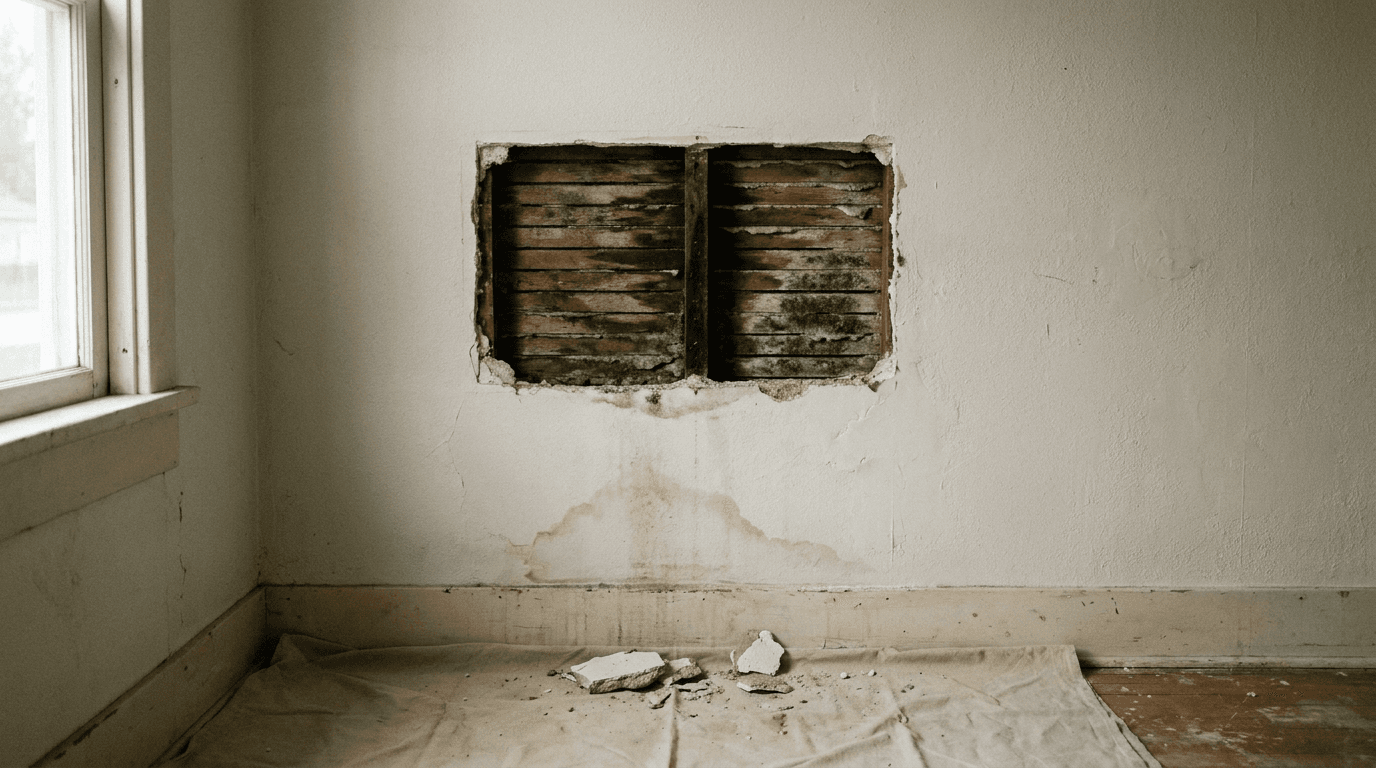
Does Homeowners Insurance Cover Mold Removal in Caldwell?
Homeowners insurance can pay for mold removal in a Caldwell home when the mold traces back to a covered water event, often only up to a limit. Here's how that limit often works, what an adjuster weighs, and what to tell your insurer.
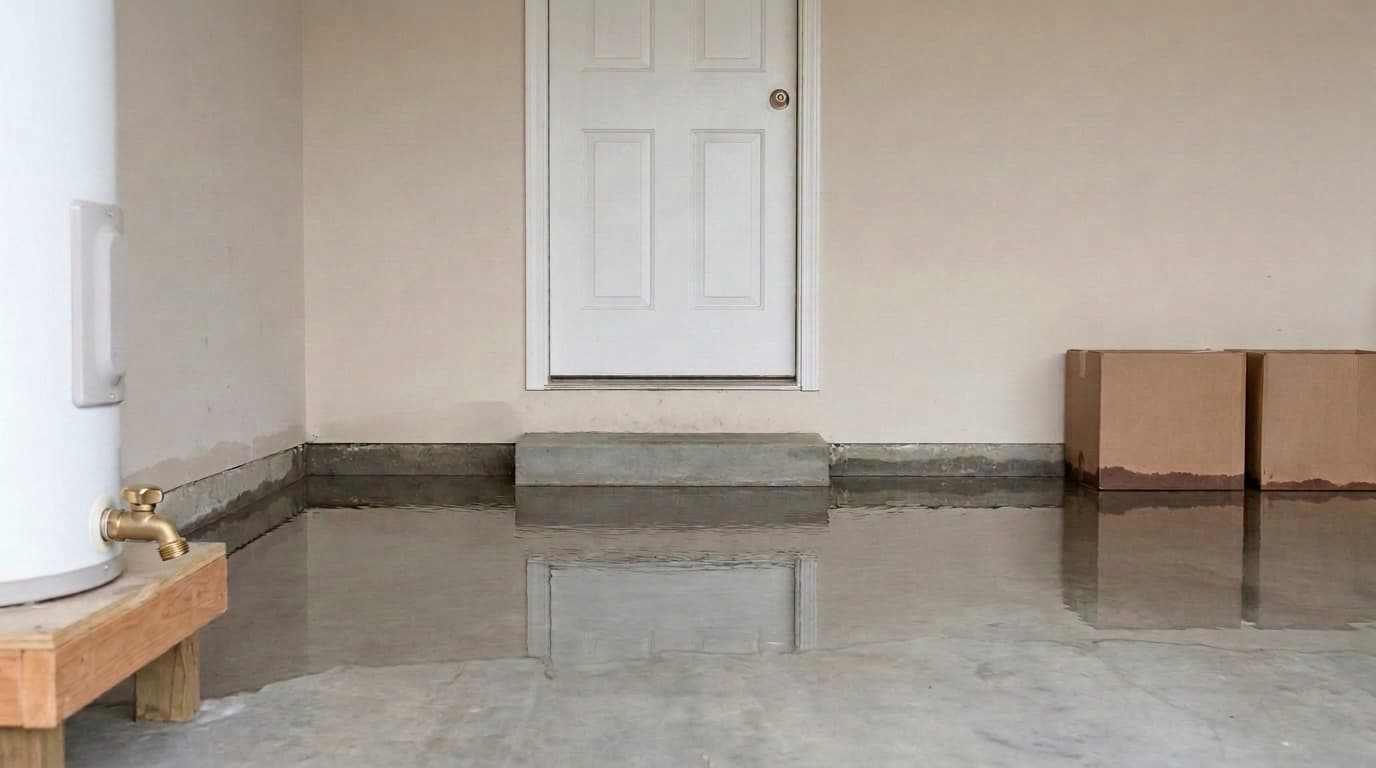
What Should You Do When a Star Garage Floods?
When a water heater or washer floods a Star garage, stay clear of anything electrical the water reached, stop it at the source, and move it away from the house wall. Here's what to check next, and which board Idaho's code calls for when that wall is repaired.
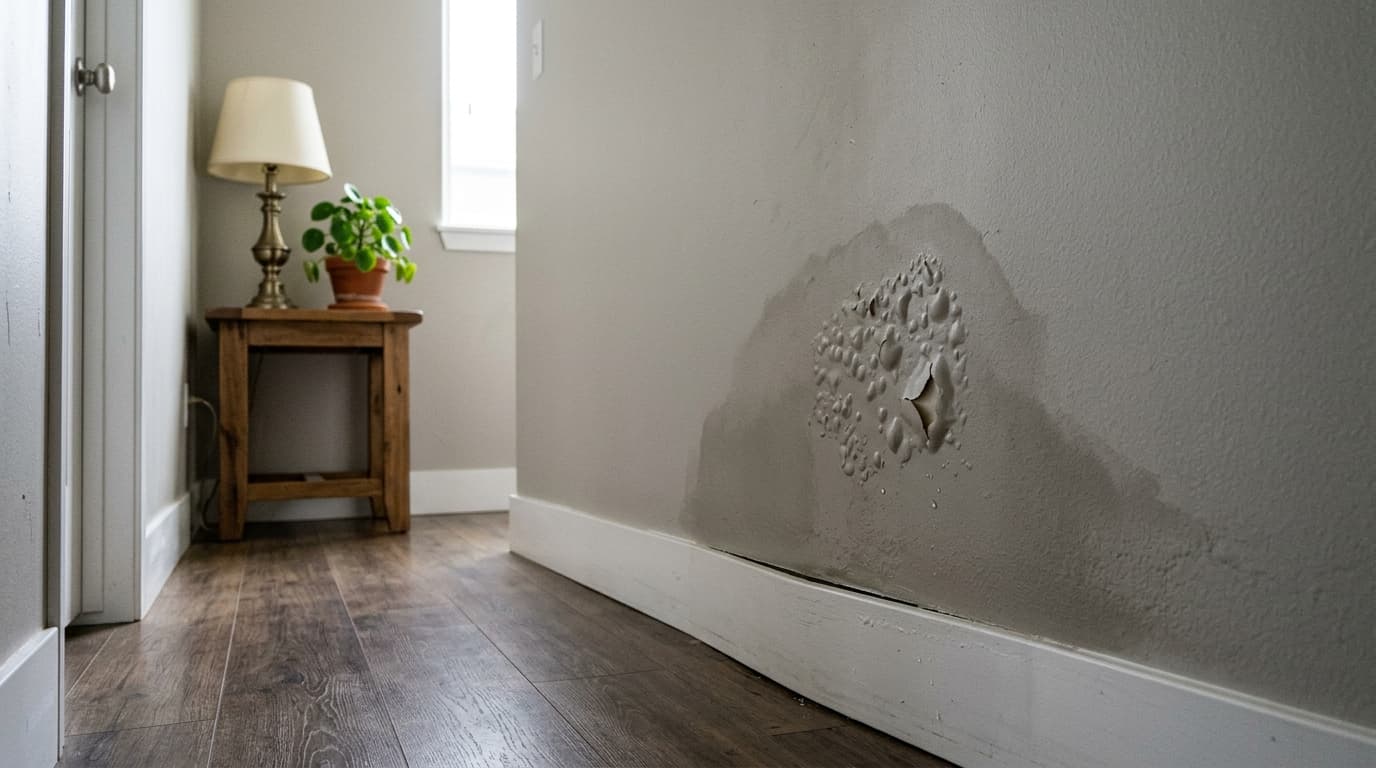
How Do You Find a Water Leak in a Middleton Wall?
A leak inside a Middleton wall can show up in the water bill, a faint running sound or a bubbling paint seam before any stain appears. Here's how to narrow it down, what the City's meter rules mean for you, and when opening the wall makes sense.