
How Long Does a Landlord Have to Fix Mold in Boise?
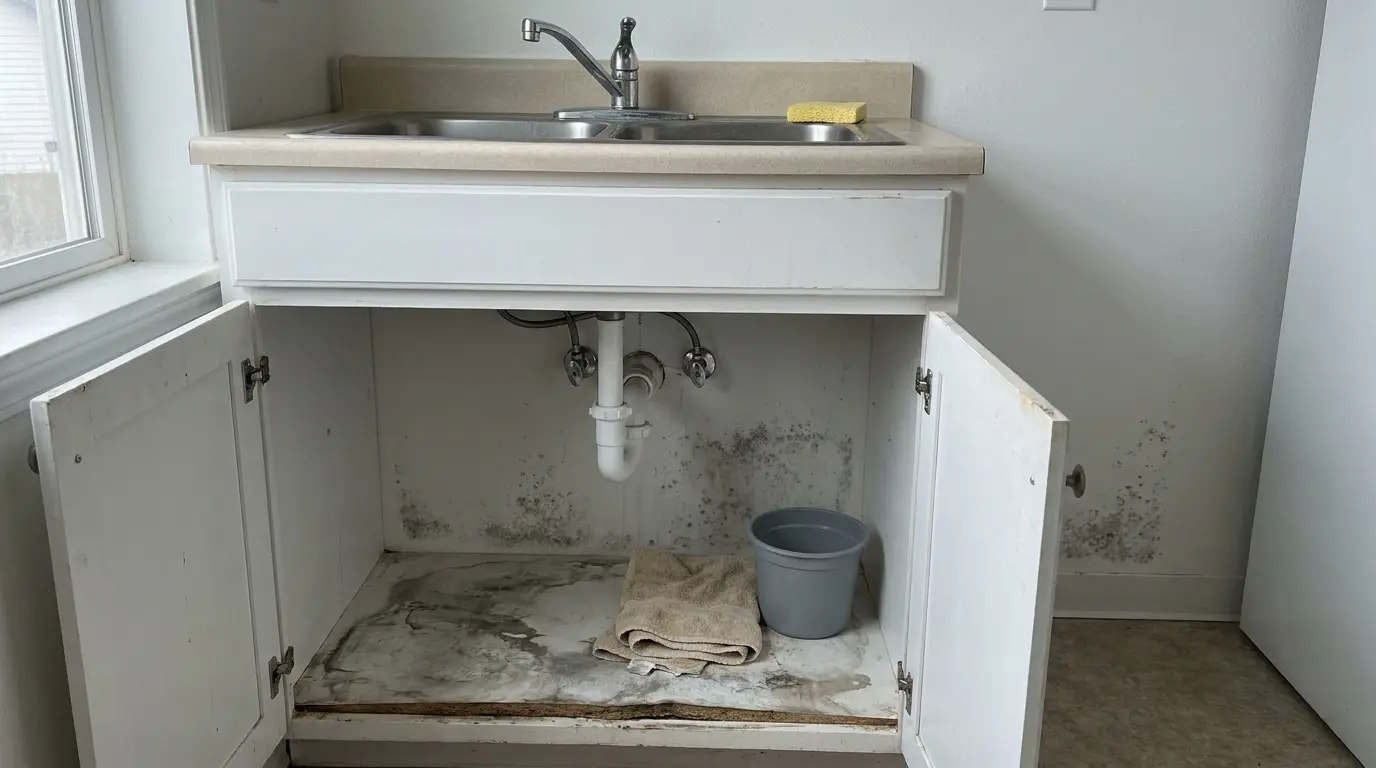
Boise's three-business-day repair deadline is written for housing code violations, not for mold by name. The City of Boise's notice of tenant rights puts it this way: "If a repair is needed to address a violation of the Uniform Housing Code, the landlord has three business days to fix the violation." The City puts "Major broken pipes or leaks" under "Common Housing Problems and Code Violations" and "Mold concerns" under what it cannot investigate, so whether a given mold problem is a violation is a question for an attorney. As for who is responsible for what, landlords "are usually responsible for fixing leaks and structural issues" and renters "are responsible for preventing indoor condensation by using ventilation and cleaning up moisture," says the Idaho Department of Health and Welfare (DHW).
We remove mold and dry the damp area for property owners, landlords included, as part of our mold remediation work. Repairing the leak that fed it isn't our work, and we give no legal advice. This post is general information for Boise landlords and property owners, and the City's own notice says it "does not replace the advice of an attorney."
Get Your Quote
Ready to handle this with a pro?
You're reading about Does a Boise Landlord Have a Set Number of Days to Fix Mold. Get a fast quote for water damage restoration service in Boise, ID from Apex Restoration.
Does a Boise Landlord Have a Set Number of Days to Fix Mold?
Not for mold by name. The three business days turn on one condition: the repair has to address a violation of the Uniform Housing Code, which Boise adopts in Boise City Code Title 9, Chapter 6 and the City's Building Director enforces. The notice that states the deadline doesn't mention mold, and it's the same notice Boise City Code 5-17-6 requires a landlord to provide before a tenant moves in.
The City's renter protections page draws the line more plainly. It lists "Major broken pipes or leaks" under "Common Housing Problems and Code Violations," and it lists "Mold concerns" first under "We Cannot Investigate." Whether a given mold problem is itself a code violation is a question for an attorney.
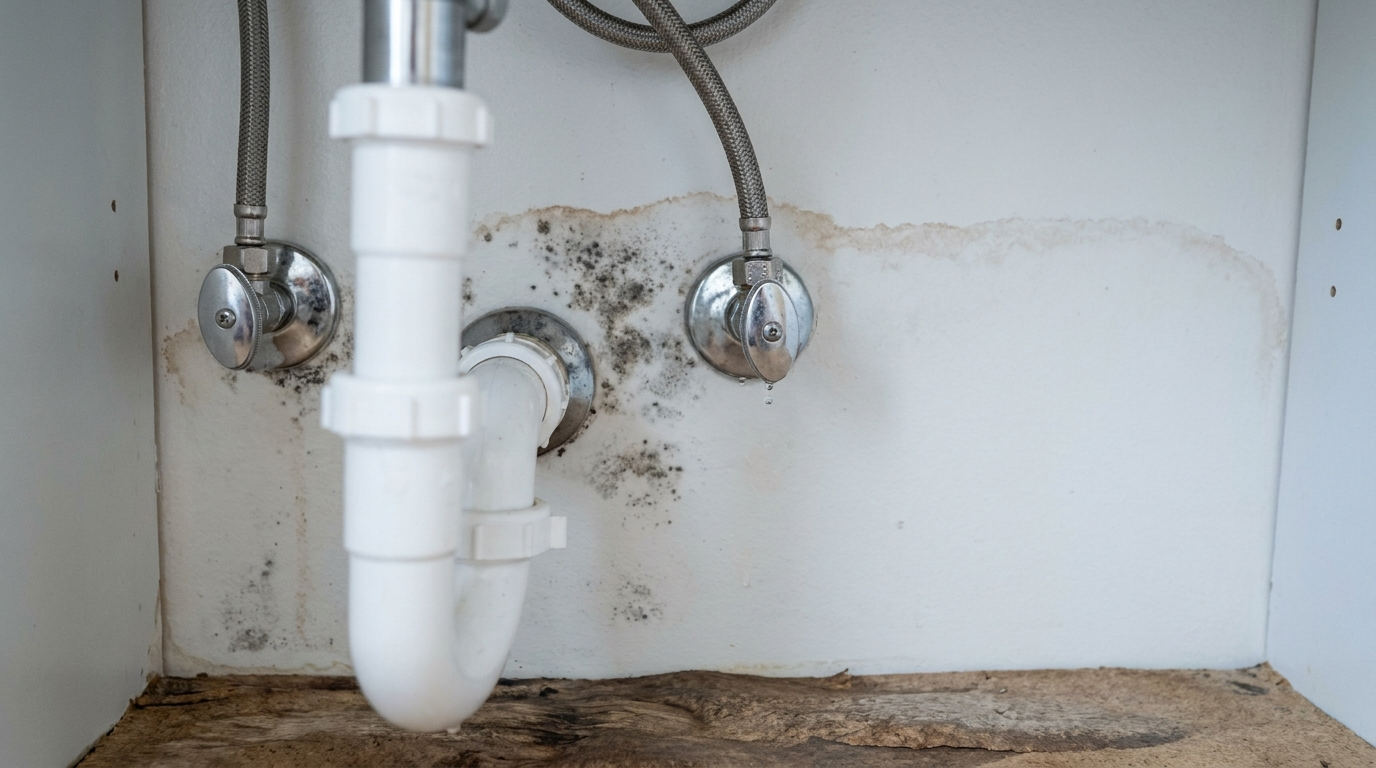
Idaho-wide, "There are no federal or Idaho state laws that require mold inspections or set cleanup standards," DHW says, and the Idaho Attorney General's Landlord and Tenant Manual (July 2026) says "Idaho does not have a government agency that regulates the inspection or removal of toxic mold within rental property."
A second three-day rule sits beside Boise's. Under Idaho Code 6-320, before a tenant has standing to sue under that section, the tenant must give the landlord three days' written notice listing each failure or breach. The section lists six failures: reasonable waterproofing and weather protection; electrical, plumbing, heating, ventilating, cooling or sanitary facilities supplied by the landlord, kept in good working order; premises maintained in a manner hazardous to the tenant's health or safety; a security deposit not returned as required by law; a breach of a lease term materially affecting the tenant's health and safety; and approved smoke detectors not installed. The word mold isn't in Idaho Code 6-320, and the section excludes agricultural tracts of five acres or more. Whether a given mold problem falls under any of those failures is a question for an attorney.
Which Mold Repairs Fall to the Landlord and Which to the Tenant in Boise?
Usually, the leak is the landlord's and the everyday moisture is the tenant's. DHW, quoted at the top, puts fixing leaks and structural issues usually on the landlord and preventing condensation on the renter, after noting that "Both renters and landlords are responsible for dealing with mold-related problems." For example, under that split a slow drip from the supply line under a kitchen sink is usually the landlord's to fix, while condensation on a bathroom ceiling where the exhaust fan isn't being run is the renter's to prevent.
Boise's rules put more on paper: the City's notice says "Landlords must make all repairs to keep the premises in a fit and habitable condition" and maintain supplied facilities such as plumbing, and that tenants "must keep the dwelling unit as clean and safe as conditions permit," keep the plumbing clean, and use the electrical, plumbing, heating and cooling facilities "in a reasonable manner." Those are the City's words for Boise rentals.
At the state level, the Attorney General's manual says "Landlords must maintain the rental to protect a tenant's safety and health. This means landlords must comply with city and county ordinances and state laws regarding housing conditions." In Boise, those city ordinances include the housing code.
Sharing duties with a tenant doesn't take the owner off the hook under Boise's code. Boise City Code 9-6-2 says "Every owner remains liable for violations of duties imposed upon him by this Code even though an obligation is also imposed on the occupants of his building, and even though the owner has, by agreement, imposed on the occupant the duty of furnishing required equipment or of complying with this Code." In plain terms, a lease that hands a code duty to the tenant doesn't end the owner's liability for a violation of it.
The tenant's side carries a cost of its own. A DHW fact sheet for renters says a tenant "may be required to compensate the landlord for damages that occur due to his or her own negligence," which is about paying for damage, not about who repairs the mold.
What Should a Landlord Do With Written Notice of Mold From a Boise Tenant?
A tenant's written notice starts the record, and the first job it creates is finding the water behind the mold. The City asks tenants to make repair requests "promptly and in writing," and DHW's reason to go after the water is plain: "Mold will return if the source of moisture is not fixed." If the repair addresses a Uniform Housing Code violation, the City's three business days apply to fixing that violation. On testing, DHW says "In most cases, testing is not needed. You can often see or smell mold."
What else the notice sets in motion depends on what it asks for. A notice under Idaho Code 6-320 lists "each failure or breach" with a "written demand requiring performance or cure," and if a listed failure or breach has not been "performed or cured" within three days after service, Idaho Code 6-320 says the tenant "may proceed to commence an action for damages and specific performance." That notice and that action cover the failures the section lists, none of which names mold, so whether a mold problem is among them is a question for an attorney.
A landlord may also conclude the repair isn't needed. The City's notice says "A landlord may determine that a requested repair is not needed. If the tenant disagrees, the tenant can file a lawsuit." Whatever the decision, the retaliation ordinance covered below limits what a landlord may do in response to a repair request made in good faith. Documentation helps on both sides, and DHW's advice to tenants is to "document mold infestations with photographs and written descriptions."
Get Your Quote
Ready to handle this with a pro?
You're reading about Where Does a Mold Dispute Go When a Boise Landlord and Tenant Disagree. Get a fast quote for water damage restoration service in Boise, ID from Apex Restoration.
Where Does a Mold Dispute Go When a Boise Landlord and Tenant Disagree?
To court rather than to the City, when the mold itself is the dispute. The City lists "Mold concerns" among the things it cannot investigate, and when a tenant disagrees with a landlord's decision that a repair isn't needed, the notice quoted above says the tenant can file a lawsuit. For claims under state law, the same notice adds: "Tenants and landlords who allege a violation of Idaho State law must pursue legal action to seek enforcement. Legal action can be sought in small claims court for amounts that are $5,000 or less."
A major broken pipe or leak can go to the City, whose renter protections page says it can investigate rental housing conditions that could affect a tenant's health or safety, "Major broken pipes or leaks" among them; the same page lists "general maintenance requests (for example: minor leaking pipes, holes in interior walls, broken electrical plug, etc.)" among what it cannot investigate. The route is a Substandard Housing Inspection Request, which the City's form describes as an "Inspection to determine compliance with Uniform Housing Code." The City's required first step is a repair or maintenance request to the landlord or property manager, and the form comes in if the issue "is not fixed within a reasonable timeframe."
Idaho Code 6-320 is a separate statutory route for the failures it lists: once the three-day period after its written notice passes with a listed failure not performed or cured, the tenant may bring an action for damages and specific performance. None of those failures names mold, and whether a mold problem is one of them is a question for an attorney.
For a specific legal question, the City's notice says to "contact an attorney." If you're the tenant rather than the landlord, the escalation steps are in our guide to ceiling water damage in Boise, written for renters dealing with a leak.
Can a Tenant Withhold Rent From a Boise Landlord Until Mold Is Fixed?
Generally, no. "If repairs aren't being made, Idaho law does not allow tenants to withhold rent," the City of Boise's notice says. The Attorney General's manual puts it with a qualifier: "Generally, Idaho law does not allow tenants to withhold rent based on unsafe living conditions and does not allow tenants to complete necessary repairs and then seek reimbursement from their landlords." The manual's one exception is smoke detectors: it says Idaho Code 6-320(a)(6) authorizes a tenant, "after providing three-day notice to the landlord, to install the necessary smoke detectors and deduct the cost from the tenant's next month's rent."
For a landlord, that rule settles the rent question and nothing more. The repair questions in the sections above stand on their own.
What Does Boise's Retaliation Ordinance Bar a Landlord From Doing After a Mold Repair Request?
It bars a set list of responses to a good-faith repair request. Boise City Code 5-17-5, in effect since January 1, 2024 under Ord. 35-23, says "Landlords shall not terminate a tenancy, refuse to renew a tenancy, increase rent, decrease services normally supplied, or harass, intimidate, or threaten to bring an action for possession of a leased Residential Rental Unit in response to a Tenant" doing any of four things, the first of which is "Making complaints or requests for maintenance or repairs in good faith concerning the condition of the leased Residential Rental Unit to a Landlord." The other three are complaining in good faith of regulatory violations to a governmental enforcement agency, retaining legal counsel, and joining a tenant association.
The ordinance doesn't name mold or any other repair, and it protects complaints and repair requests made "in good faith." Under Boise City Code 5-17-10, a violation is "an infraction," and "A second or subsequent violation within one year of a prior conviction shall be a misdemeanor." Boise City Code 5-17-3 applies the chapter to residential rental units within the City.
The City sums the ordinance up in one sentence: "A City of Boise ordinance prohibits landlords from retaliating against tenants for making repair requests, complaining about safety issues, hiring an attorney, or joining a tenant association." At the state level, the Attorney General's manual says "Landlords may not evict a tenant because the tenant requests that repairs be made or because the tenant joins a tenants' association." The City takes reports of alleged violations of its ordinances through the renter protections page linked above.
Get Your Quote
Ready to handle this with a pro?
You're reading about Who Removes the Mold and Who Fixes the Leak for Boise Property Owners. Get a fast quote for water damage restoration service in Boise, ID from Apex Restoration.
Who Removes the Mold and Who Fixes the Leak for Boise Property Owners?
Two different trades. The leak's source goes to the trade that repairs it, and removing the mold and drying the damp area go to a remediation crew. "Any mold should be removed, and the source of moisture should be fixed," as DHW puts it. For example, a dripping supply line under a sink is a plumber's repair, while the swollen cabinet floor and the moldy drywall behind it are remediation work.
The remediation side is ours. We remove mold and dry the damp area in homes and commercial buildings, for owners and landlords alike, and we use thermal imaging and moisture meters to find where the water went. Repairing the leak's source isn't our work; that stays with the plumber or whichever trade fixes it.
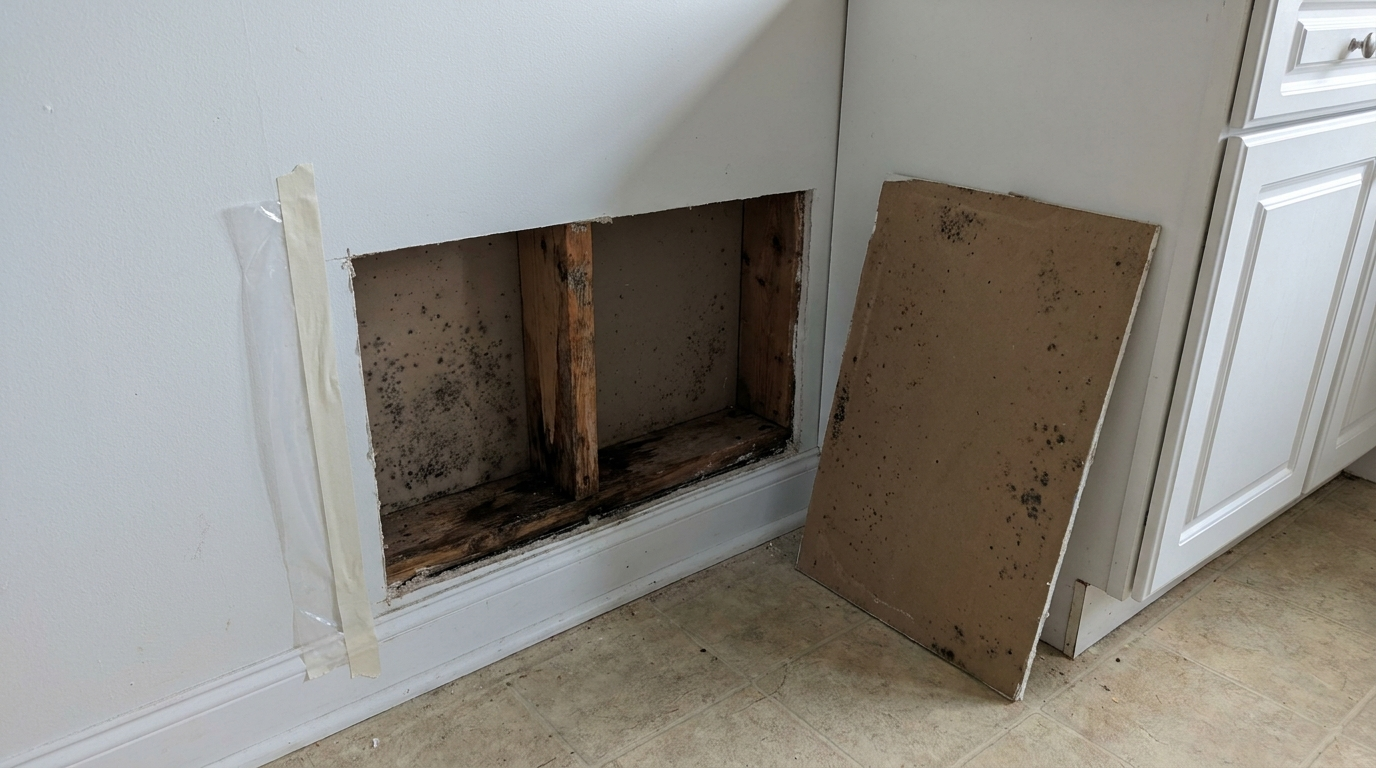
Drying has a clock of its own. "Any material that remains wet or moist for 24 to 48 hours can be a home for mold," says DHW's fact sheet for renters.
Three related questions have their own posts. Whether a small patch is a do-it-yourself job, and what removal costs, are in our guide to mold removal costs in Boise. The health side is in our post on whether water damage causes mold. Whether insurance helps pay turns on the policy's own wording, which our guide to homeowners insurance and mold removal walks through.
The Bottom Line on Landlord Mold Repairs in Boise
The City of Boise's notice gives three business days to fix a Uniform Housing Code violation, but it doesn't mention mold, and the City lists "Mold concerns" under what it cannot investigate.
DHW puts leaks and structural issues usually on the landlord and condensation on the renter, and Boise City Code 9-6-2 keeps the owner liable for code duties even when the lease puts one on the tenant.
An Idaho Code 6-320 notice is a separate three-day step for the failures that section lists, and whether a mold problem is one of them is a question for an attorney.
A disagreement over the mold itself goes to court, and the City's notice says legal action under Idaho State law can be sought in small claims court for amounts of $5,000 or less. A major broken pipe or leak can go to the City's substandard housing inspection after a repair request to the landlord, which the City calls a required first step, if the issue is not fixed within a reasonable timeframe, while the City lists general maintenance requests such as minor leaking pipes among what it cannot investigate.
Idaho law does not allow tenants to withhold rent when repairs aren't being made, the City's notice says, and the Attorney General's manual says the same with "Generally" and a smoke-detector exception.
Boise City Code 5-17-5 bars a set list of responses to a good-faith repair request, and Boise City Code 5-17-10 makes a violation an infraction.
The leak goes to the trade that repairs it; removing the mold and drying the damp area go to a remediation crew.
The three business days and the retaliation ordinance are City of Boise rules for rentals inside its city limits. Mold removal and drying work the same on both sides of the city line, and we cover the Treasure Valley, so a Meridian owner can start with our page on water damage restoration in Meridian. If you'd like the damp area looked at, our inspection and estimate are free and carry no commitment.
Apex Restoration Team
Water Damage & Restoration Specialists
We're the Apex Restoration team — a family-owned, IICRC-certified crew handling water damage, mold, and abatement across Boise, the Treasure Valley, and Eastern Washington & North Idaho. We answer 24/7 and write these guides to help homeowners make calm, informed decisions when water, mold, or hazards show up.
Related Posts
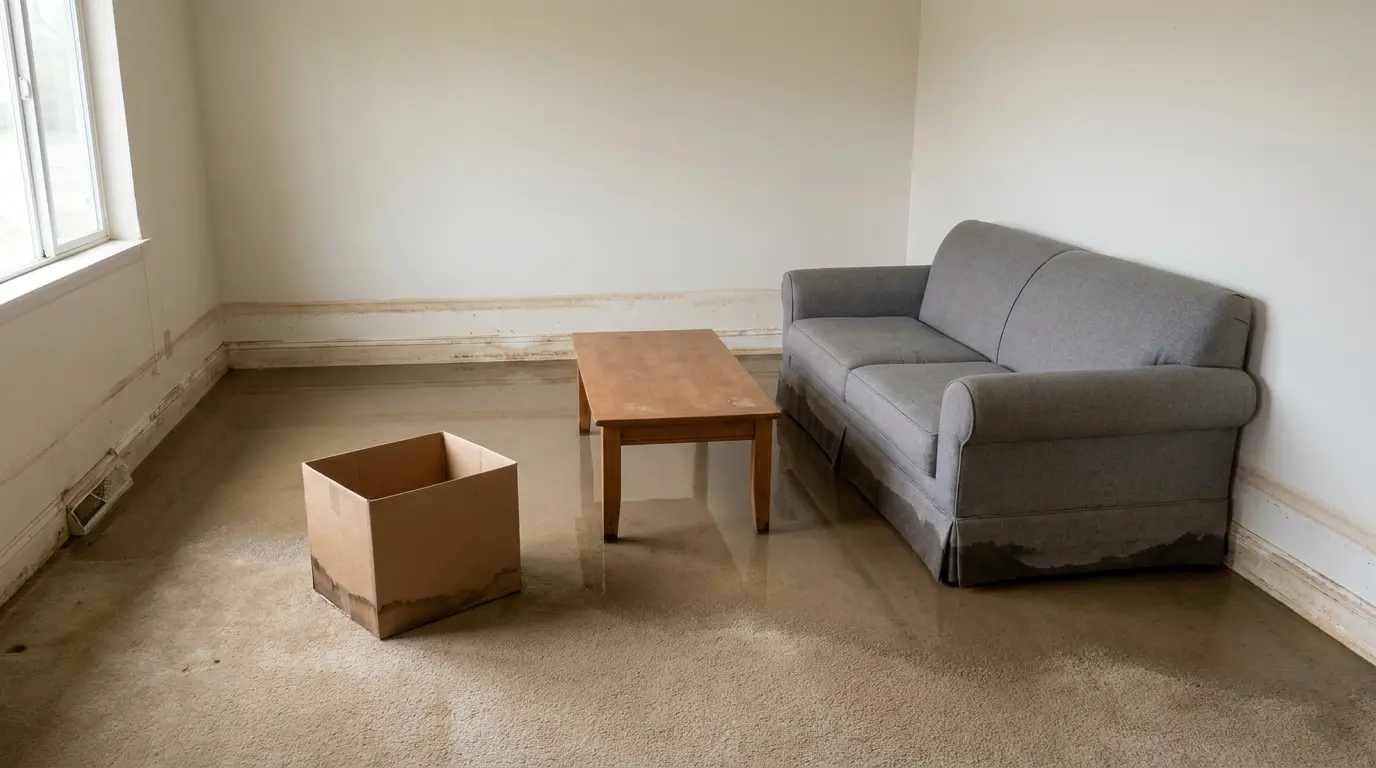
Does Homeowners Insurance Cover Flooding in Garden City?
Homeowners policies typically exclude flood, so here is what an NFIP policy covers in Garden City, when a lender asks for one and how the 50% rule works.
Does Your Mountain Home, ID House Have Polybutylene Pipes?
Built or replumbed between 1978 and July 1995? Your Mountain Home house could have polybutylene. How to tell, where to look and when to call a plumber.
Who Is Responsible When Sewage Backs Up Into a Boise Home?
How Boise's code splits the sewer pipe between owner and City, who pays the plumber, whom to call and the deadline for a claim with the City.