
Does Water Damage Cause Mold? What Every Homeowner Needs to Know
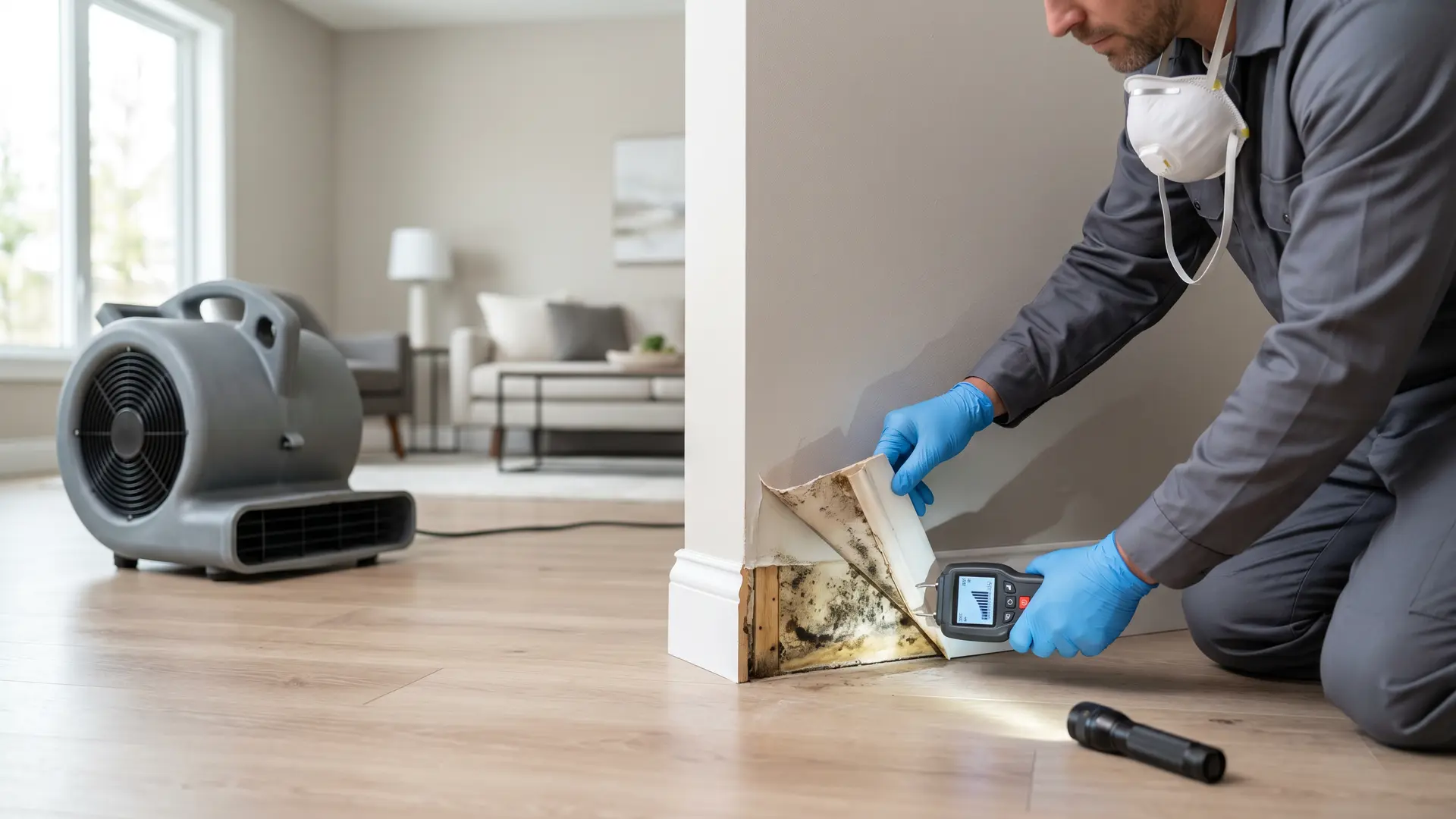
Water damage is stressful enough on its own — but the fear of what comes next, mold, is what keeps most homeowners up at night. The short answer is yes, water damage can absolutely cause mold, but it doesn't always have to. Understanding exactly what triggers mold growth, how fast it happens, and what you can do to stop it gives you a real fighting chance — whether you're dealing with a burst pipe at midnight or a slow leak you just discovered behind the washing machine.
Get Your Quote
Ready to handle this with a pro?
You're reading about Does Water Damage Always Lead to Mold. Get a fast quote for water damage restoration service in Boise, ID from Apex Restoration.
Does Water Damage Always Lead to Mold?
The 48-Hour Rule — And Why Time Beats Volume
Here's something most people get wrong: mold doesn't require a flood to grow. A small drip from a supply line or a minor appliance leak can cause a serious mold problem if it isn't dried within 24–48 hours. The critical factor isn't how much water was present — it's how long moisture stayed in porous materials like drywall, wood framing, and carpet padding.
A large flood cleaned up quickly actually carries less mold risk than a small drip left unaddressed for a week. According to EPA guidance on mold and moisture in homes, controlling moisture is the single most important factor in preventing mold growth indoors. That's the whole game right there.
What Mold Actually Needs to Grow
Mold needs three things to take hold: a moisture source, a food source (drywall, wood, carpet are all fair game), and the right temperature range. Most indoor environments already provide two out of three. Remove the moisture, and mold loses its foothold.
Once a space is fully and verifiably dried, mold will not continue to spread — but here's the catch: any mold that already established itself still requires proper remediation. Drying stops the spread; it doesn't undo what's already there. It's also worth knowing that high indoor humidity alone — above 60% relative humidity — can trigger mold growth even without any visible water event.
When Water Damage Does NOT Cause Mold
Rapid response and thorough drying within that critical window can prevent mold entirely. Non-porous surfaces like tile, metal, and sealed concrete are far less likely to harbor mold because spores need organic material to feed on. Climate and season also matter — cold, dry conditions slow mold development significantly, which is why a summer basement flood is generally more urgent than a winter one.
How Quickly Does Mold Grow After Water Damage?
The Standard 24–48 Hour Timeline Explained
Under typical indoor conditions, mold spores can begin germinating within 24–48 hours of moisture exposure. It's important to understand that germination isn't the same as visible growth — you won't see fuzzy colonies immediately. Visible mold often appears within 3–12 days if moisture persists, which is why a wall that looks fine on day two can look very different by day ten.
Montgomery College's mold and water damage resource notes that these timelines assume average temperature and humidity — real-world conditions can significantly compress that window. Don't assume you have more time than you do.
How Climate and Humidity Shrink the Growth Window
In high-humidity climates like Florida or the Gulf Coast, mold can begin growing in under 24 hours after a water event. Warm, humid air accelerates spore germination and colony development dramatically. If you're in one of those regions, any water event needs to be treated as a same-day emergency — not a "I'll deal with it this weekend" situation.
Cold, dry climates like the Inland Northwest provide a slightly larger response window, but the 48-hour rule still applies. Don't let a dry climate lull you into a false sense of security.
Frozen Pipe Failures and Cold-Climate Mold Risk
Solder joint failures from freeze-thaw cycles are a leading cause of hidden water damage in cold climates. Water from a burst pipe can saturate wall cavities for days before anyone notices — especially in exterior walls or unheated spaces. That delay between pipe failure and discovery dramatically increases mold risk even in regions with otherwise dry conditions.
What Types of Water Damage Are Most Likely to Cause Mold?
Clean Water vs. Grey Water vs. Black Water — Why the Source Matters
Not all water damage is equal. Clean water from broken supply lines or rainwater carries the lowest contamination risk but still causes mold if not dried promptly. Grey water from washing machine overflows or dishwasher leaks contains mild contaminants and elevates both mold and bacteria risk. Black water — sewer backups, floodwater — is the most dangerous category, carrying pathogens, sewage, and dramatically increasing the risk of toxic mold species.
Sewer backup flooding in a finished basement requires sewage cleanup, not just fans and a dehumidifier. The contamination risk alone makes this a non-DIY situation.
Hidden Water Damage — The Mold You Can't See Coming
Leaks behind appliances — refrigerators, dishwashers, ovens with steam vents — are among the most commonly overlooked mold sources in homes. Wall cavity moisture from slow pipe leaks or roof intrusion can sustain mold growth for months without any visible signs on the surface. By the time you smell something musty, the problem is often already well established.
A moisture meter is the most reliable DIY tool for detecting hidden moisture before mold becomes established — visual inspection alone simply isn't sufficient. In apartments and condos, neighbor-caused leaks can penetrate shared walls and ceilings, creating mold risk in your unit even when your own plumbing is perfectly fine.
Flood Events and Structural Water Intrusion
Basement flooding from storm events simultaneously saturates concrete, framing, and insulation — materials that hold moisture for a long time and are difficult to dry thoroughly. Finished basements are particularly problematic because they trap moisture behind drywall, creating ideal hidden mold conditions. As Cornell University's research on preventing mold growth after water damage points out, addressing water intrusion quickly and completely is essential to preventing long-term mold colonization in structural materials.
Foundation cracks and chronic seepage create ongoing low-level moisture that slowly feeds mold colonies over time — often without any single dramatic water event to trigger concern.
Get Your Quote
Ready to handle this with a pro?
You're reading about How Can You Tell the Difference Between Water Damage and Mold. Get a fast quote for water damage restoration service in Boise, ID from Apex Restoration.
How Can You Tell the Difference Between Water Damage and Mold?
Visual Signs of Water Damage Alone
Yellow, brown, or rust-colored staining on ceilings and walls typically indicates water intrusion without active mold. Bubbling or peeling paint, warped drywall, and soft spots indicate moisture saturation but not necessarily mold growth. Water stains that are dry to the touch and have no musty odor are more likely to be old, resolved damage — though that doesn't mean the underlying cause has been fixed.
Visual and Sensory Signs That Mold Has Developed
Fuzzy, powdery, or slimy growth in green, black, white, or grey tones is a clear mold indicator. A persistent musty or earthy smell — even without any visible growth — often means mold is present inside walls or under flooring. According to UMN Extension's guide on dealing with and preventing mold, mold frequently appears at the edges of water stains, around window frames, and along baseboards in water-affected areas.
Identifying Hidden Mold Behind Walls and Appliances
Discoloration or soft drywall near appliance connections — refrigerator water lines, dishwashers, steam ovens — warrants a closer look. A moisture meter reading above 16% in drywall or above 19% in wood signals active moisture that may be feeding mold you can't yet see. When in doubt, opening a small section of drywall for visual inspection is safer than assuming a wall cavity is dry.
What Are the Health Risks of Mold After Water Damage?
Common Symptoms of Mold Exposure
Respiratory irritation, chronic coughing, nasal congestion, and eye irritation are the most frequently reported symptoms of mold exposure. People with asthma, allergies, or compromised immune systems face significantly elevated risk and may react to mold levels that wouldn't bother a healthy adult. One useful diagnostic clue: symptoms that consistently improve when you leave the affected space strongly suggest mold exposure is the cause.
When Mold Becomes a Serious Medical Concern
Prolonged exposure to certain mold species — particularly after flood events — can cause serious fungal infections in vulnerable individuals. Research published through Project MUSE on mold exposure after hurricanes and flooding documents cases where flood-related mold exposure required formal medical diagnosis and treatment. If a doctor has flagged mold exposure as a health concern, professional remediation isn't optional — it's a medical necessity.
The Problem With Painting Over Mold Instead of Removing It
Painting over mold does not kill it. Mold continues to grow beneath the surface and will eventually break through — sometimes within weeks. Encapsulant products marketed as mold-blocking primers are not substitutes for physical removal of contaminated materials, despite what some product labels imply.
Proper remediation requires removing affected drywall, treating underlying framing, and verifying dry conditions before closing walls. Landlords who paint over mold rather than remediate it are creating ongoing health hazards for tenants — and in many states, that's a legal liability issue as well.
How Do You Prevent Mold After Water Damage?
Immediate Steps in the First 24–48 Hours
Remove standing water immediately using wet vacuums or a water extraction service — every hour counts. Pull up wet carpet and padding right away; these materials cannot be effectively dried in place and will mold rapidly even with fans running. Run dehumidifiers and air movers continuously, targeting indoor relative humidity below 50%.
Open windows when outdoor humidity is lower than indoor humidity to accelerate drying. This is a simple step that many people skip, but it makes a real difference in the early hours.
The DIY Wall Drying Process — When to Open Walls and When to Close Them
If water has penetrated wall cavities, remove baseboards and drill small drying holes or cut inspection openings to allow airflow inside the wall. Direct air movers into those cavities and monitor moisture meter readings daily. Brooklyn College's guidance on responding to water damage and preventing mold growth emphasizes that walls should not be closed until readings return to baseline dry levels — typically below 16% for drywall.
Closing walls too early traps residual moisture and creates ideal hidden mold conditions. Wait a minimum of 3–5 days of active drying before closing walls, and longer in humid climates or where thick insulation is involved. Patience here prevents expensive remediation later.
Long-Term Prevention Strategies
Fix the moisture source permanently before doing any restoration work — repairing cosmetic damage without addressing the root cause guarantees recurrence. Install a whole-home dehumidifier in chronically humid spaces like basements and crawl spaces. Inspect supply line connections behind appliances annually, especially in homes with older braided steel lines that are prone to failure.
Get Your Quote
Ready to handle this with a pro?
You're reading about What Should You Do If You Discover Mold During a Home Purchase. Get a fast quote for water damage restoration service in Boise, ID from Apex Restoration.
What Should You Do If You Discover Mold During a Home Purchase?
How to Assess Mold Risk Before Closing
A general home inspection is not a mold inspection. If you observe water damage during a walkthrough, request a dedicated mold assessment before closing. Look for musty odors, stained drywall, and soft flooring near bathrooms, kitchens, and basement walls — these are the areas where hidden moisture most commonly hides.
Ask sellers directly about any history of water intrusion, roof leaks, or flooding. Disclosure requirements vary by state, but the answers — or the evasiveness — are often revealing.
Navigating Remediation Deadlines and Negotiation Leverage
Mold discovered during a real estate transaction can trigger tight remediation deadlines — sometimes as short as three days — that require immediate water damage repair and remediation response. Use documented mold findings as negotiating leverage: request price reductions, seller-paid remediation, or escrow holdbacks rather than simply accepting verbal assurances. Get independent cost estimates before accepting any seller-arranged repairs.
When to Walk Away vs. When to Proceed
Surface mold in a single isolated area is generally fixable at reasonable cost. Mold combined with foundation issues, chronic seepage, or widespread structural water damage is a much higher-risk purchase — one where remediation costs are routinely underestimated. First-time buyers in particular should be cautious: what looks like a manageable problem can escalate quickly once walls are opened.
Is It Time to Call a Professional or Handle It Yourself?
DIY vs. Professional Remediation — Where the Line Is
Small, isolated mold patches under 10 square feet on non-porous surfaces can often be handled with proper PPE and EPA-approved cleaners. Any mold inside wall cavities, in HVAC systems, or covering more than 10 square feet requires mold remediation. And as mentioned earlier, sewer backup flooding always requires professional sewage cleanup due to pathogen contamination — this is not a DIY scenario regardless of how handy you are.
What Professional Water Damage Restoration Involves
Our certified technicians use industrial dehumidifiers, thermal imaging cameras, and calibrated moisture meters to locate and eliminate hidden moisture that consumer equipment simply can't reach. Water damage restoration is what our team provides — structural drying, targeted material removal, and post-drying verification before reconstruction begins. Flood cleanup services follow IICRC standards that ensure drying is genuinely complete before walls are closed.
Insurance, Liability, and Neighbor-Caused Damage
Document all damage with photos and written records before any cleanup begins — this is critical for insurance claims and shouldn't be skipped even when you're in a hurry to start drying. Neighbor-caused leaks in multi-unit buildings may involve your insurance, your neighbor's insurance, or building management depending on the source and the building's master policy. Regardless of who's ultimately responsible, quick drying remains the top priority — liability questions get sorted out later.
So, Does Water Damage Cause Mold — And What Should You Do Right Now?
Yes, water damage causes mold — but only when moisture is allowed to remain in porous materials long enough for spores to germinate. Time is the true enemy, not water volume. A fast, thorough response is the single most effective mold prevention strategy available to any homeowner or renter.
If you have active water damage right now: Stop the source, extract water immediately, and begin drying within hours — not days.
If the water damage is already dry: Use a moisture meter to assess hidden moisture, inspect wall cavities if readings are elevated, and watch for musty odors over the following weeks.
If mold is already present: Don't paint over it, don't ignore it. Assess the size and location, and determine whether professional remediation is warranted based on the 10-square-foot guideline and whether wall cavities are involved.
Homeowners across the Inland Northwest can reach our crews handling water damage restoration in Spokane, water damage restoration in Spokane Valley, water damage restoration in Post Falls, and water damage restoration in Coeur d'Alene whenever a situation calls for more than DIY tools can handle — our team is here to help.
When in doubt, a moisture meter assessment and a professional consultation cost far less than full mold remediation. Early action always pays off.
Related Posts
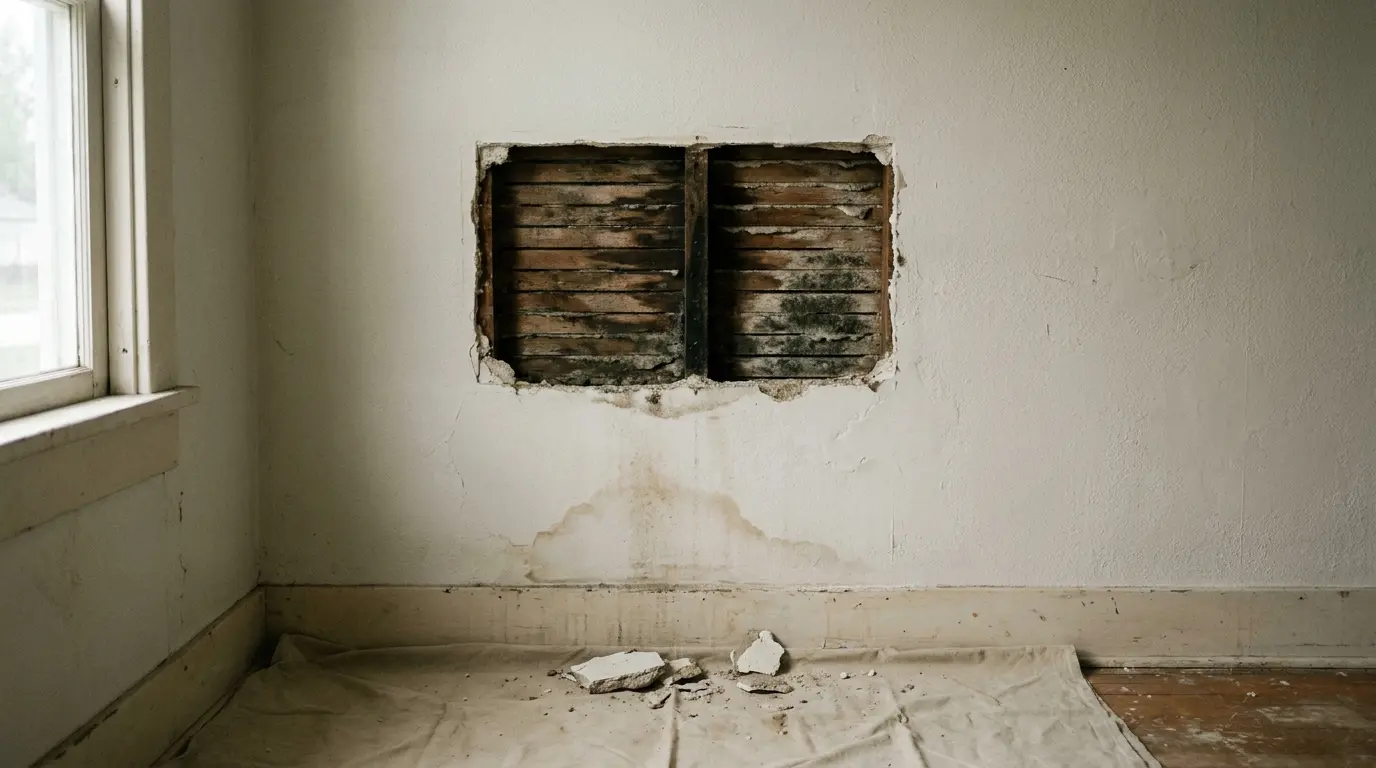
Does Homeowners Insurance Cover Mold Removal in Caldwell?
Homeowners insurance can pay for mold removal in a Caldwell home when the mold traces back to a covered water event, often only up to a limit. Here's how that limit often works, what an adjuster weighs, and what to tell your insurer.
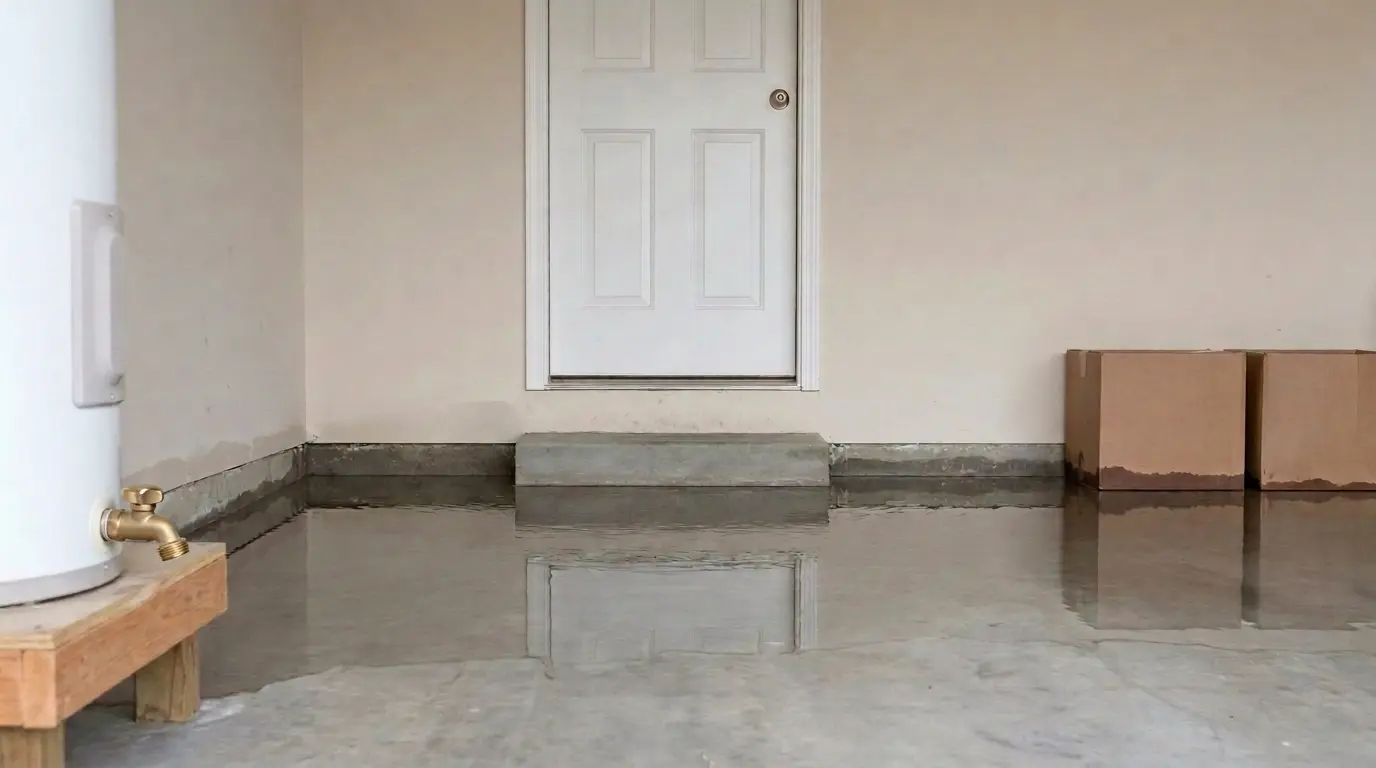
What Should You Do When a Star Garage Floods?
When a water heater or washer floods a Star garage, stay clear of anything electrical the water reached, stop it at the source, and move it away from the house wall. Here's what to check next, and which board Idaho's code calls for when that wall is repaired.
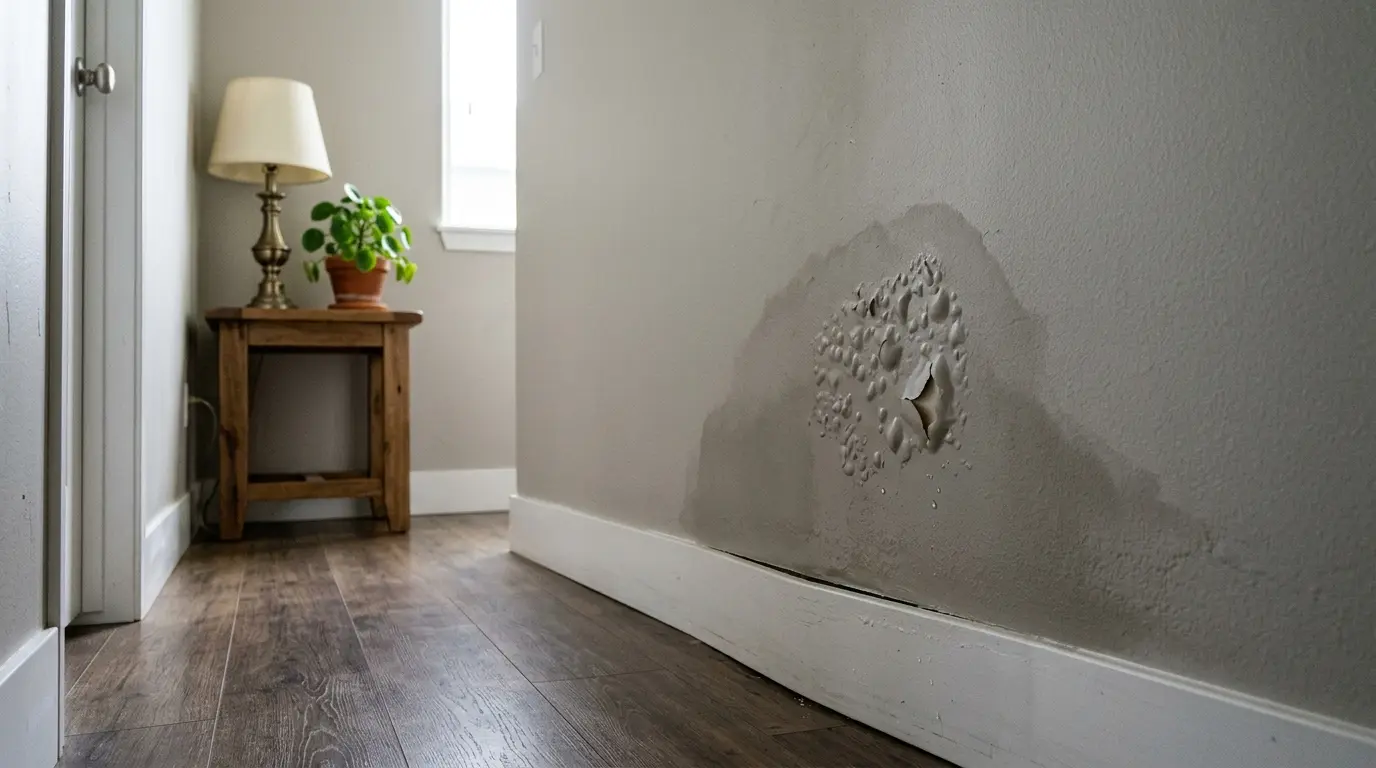
How Do You Find a Water Leak in a Middleton Wall?
A leak inside a Middleton wall can show up in the water bill, a faint running sound or a bubbling paint seam before any stain appears. Here's how to narrow it down, what the City's meter rules mean for you, and when opening the wall makes sense.