
Does Homeowners Insurance Cover Flooding in Garden City?
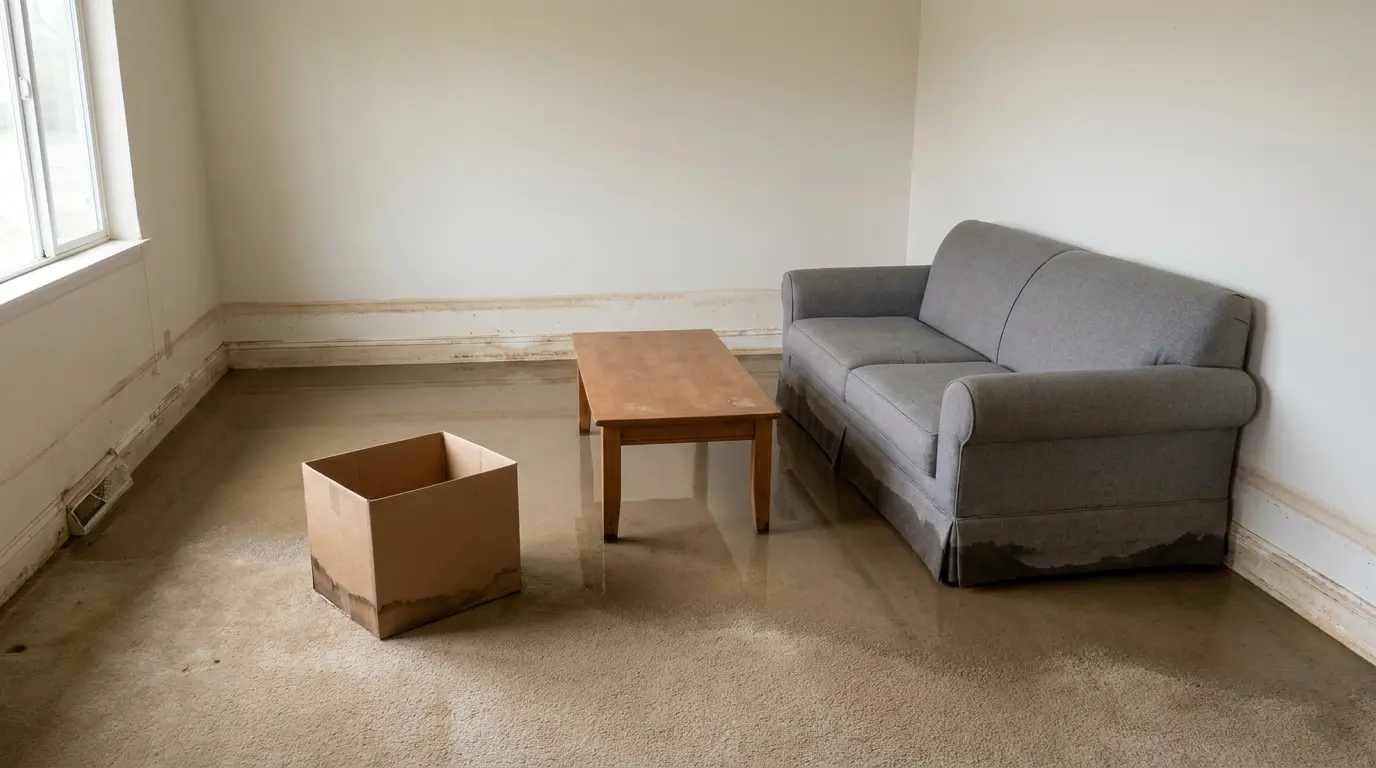
Usually not. A standard homeowners policy typically excludes flood, so river or surface water that comes into a Garden City home is normally a matter for a separate flood policy rather than the homeowners policy. Policies differ by carrier and form, so the wording in your own policy decides it, and your agent can confirm what you hold. Flood cover is its own product, and because Garden City takes part in the National Flood Insurance Program (NFIP), residents and property owners can buy it through the program. If river water is already inside, our flood cleanup crews respond 24/7, and the coverage question can be sorted out alongside the drying.
Below, we go through how the exclusion usually reads, why it weighs more in Garden City, what an NFIP policy pays for, when a lender asks for one, how the city's 50 percent rule touches repairs, and which claim to open first.
Get Your Quote
Ready to handle this with a pro?
You're reading about Does a Standard Homeowners Policy Cover Flooding in a Garden City Home. Get a fast quote for water damage restoration service in Boise, ID from Apex Restoration.
Does a Standard Homeowners Policy Cover Flooding in a Garden City Home?
Typically not, and the reason is in the policy's exclusions. In ISO's sample HO-3 homeowners form, the 2000 edition, the water damage exclusion opens with "Flood, surface water, waves, tidal water, overflow of a body of water, or spray from any of these, whether or not driven by wind." If the Boise River comes over its banks and into a Garden City home, or runoff crosses the yard and comes in under a door, that is the clause a homeowners claim for the damage would usually run into.
Your own policy may not use the sample's exact words, so read its exclusions and any endorsements, the add-ons that change the base form. That's the gap a separate flood policy fills: NFIP flood insurance "covers direct loss caused by surface flooding, that most other insurance does not cover," as the city's flood insurance page puts it.
Two checks tell you where you stand: the water damage exclusion in your homeowners policy, and whether the house has a separate flood policy with its own declarations page. If you aren't sure about either, your agent can tell you.
Why Is Flood Coverage a Bigger Question on Garden City's Stretch of the Boise River?
Because so much of the city sits in the river's floodplain. Garden City counts roughly 1,700 properties in its regulatory floodplain and estimates that 74% of its properties are in the 100-year floodplain, figures from the city's flood information page. They aren't the same measure: one is a count in the regulatory floodplain, the other an estimate for the 100-year floodplain, and the lender section below comes back to why that matters.
The river also runs high often enough to plan around. On average, the Boise River reaches 7,000 cubic feet per second, flood stage at the Glenwood Bridge, once every 5 years, by the city's count. So far that has meant "some minor inconveniences and damage," in the city's words, while future flooding "may result in substantial expense to the community."
That makes the flood exclusion a practical question in Garden City rather than a remote one, and the time to read it is before the river comes up.
Which Water Damage Goes to a Flood Claim and Which to a Homeowners Claim?
It depends on where the water came from. Water that comes in from outside, like the river over its banks or runoff across the ground, is the flood side. Water that escapes from something inside the house, like a split supply line, a burst washer hose or an overflowing dishwasher, is a homeowners claim, and your insurer decides it under the policy's own terms.
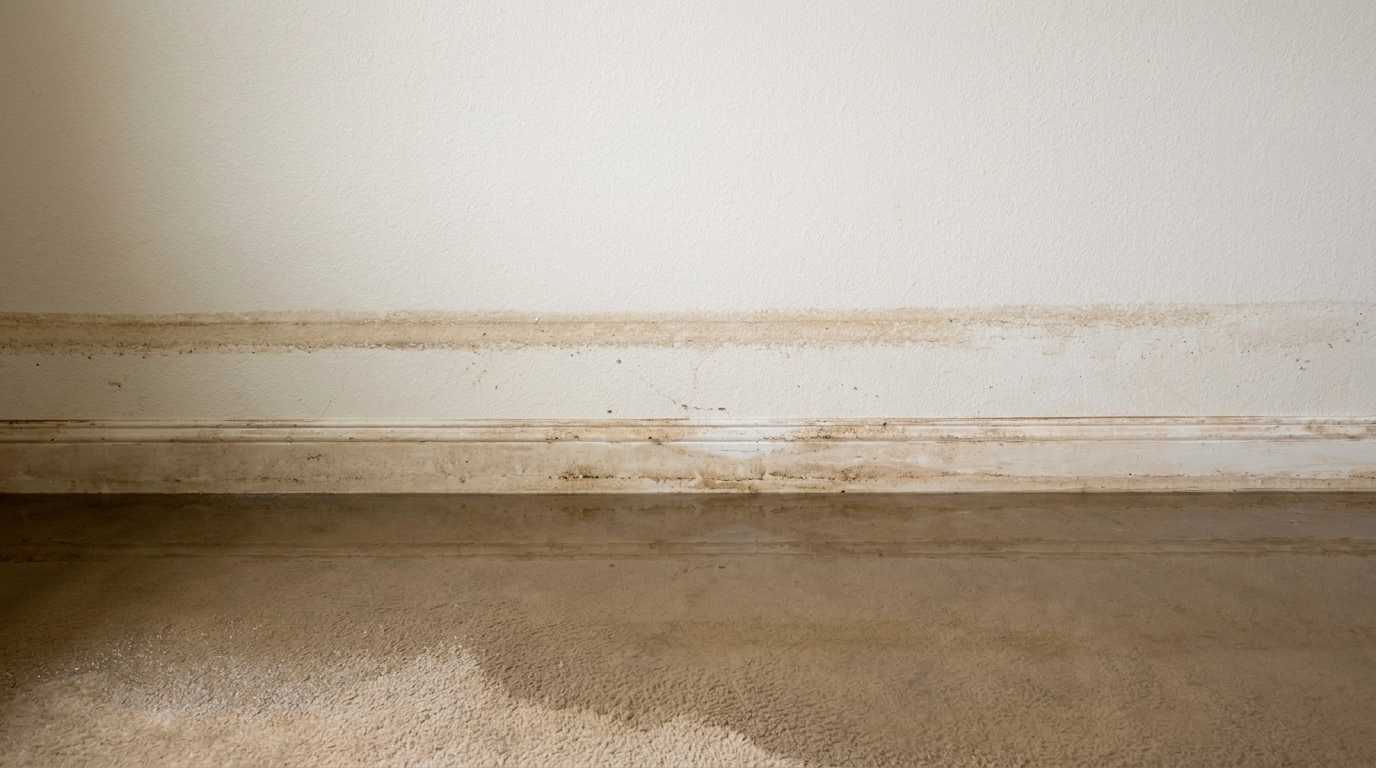
The two policies draw the line from opposite sides. The sample HO-3 form excludes flood and surface water, as above. FEMA's standard flood policy for a house, the Dwelling Form, excludes water damage that results primarily from a condition substantially confined to the house or within your control, such as a broken water line, drain, pump or fixture.
So what about a leak? A sudden leak from a pipe or appliance is usually where a homeowners claim starts. A slow one raises the sudden-versus-gradual question, which our guide to water damage coverage for Idaho homeowners explains, along with sewer backup endorsements.
Groundwater is a separate case: water from the ground that seeps through a slab or foundation counts as water below the surface of the ground, which the sample HO-3 form excludes, and our Caldwell mold coverage guide walks through that clause.
For example, if you hold both policies and the river tops its bank and reaches a Garden City living room the same week a washer hose bursts in the laundry room, you'd have two losses, each for a different policy to look at. Tell both insurers what happened and where each came from, and let each one sort out which damage falls under its policy.
Get Your Quote
Ready to handle this with a pro?
You're reading about What Does NFIP Flood Insurance Pay For in a Garden City House, and What Does It Leave Out. Get a fast quote for water damage restoration service in Boise, ID from Apex Restoration.
What Does NFIP Flood Insurance Pay For in a Garden City House, and What Does It Leave Out?
An NFIP policy covers direct physical loss by or from flood, in two parts. Building coverage is for the house and the equipment built into it, and FEMA's Dwelling Form lists items such as furnaces, hot water heaters, central air conditioners, built-in dishwashers and permanently installed cabinets. Personal property coverage is for your belongings, and only if you bought that part.
The ceilings are set in FEMA's rules: on a single-family home, an NFIP policy can carry at most $250,000 for the building and $100,000 for contents (44 CFR 61.6). The limits on your own declarations page may be lower. For example, if river water reaches the main floor of a Garden City house, building coverage is the part that would respond to wet drywall and built-in cabinets, and personal property coverage, if you have it, to the couch and the television.
A basement is where coverage narrows. In a basement, the policy limits building coverage to a list that includes the furnace and water heater, circuit breaker boxes and outlets, the foundation, and drywall that is still unfinished and untaped, and it limits contents to items such as a washer, dryer and freezer. On both lists, the Dwelling Form counts an item only if it is installed in its functioning location and, if it needs power to operate, connected to a power source. Finished walls, floor coverings and most of what's stored down there aren't on either list.
Some things sit outside the policy entirely. It doesn't pay additional living expenses while the house is being repaired or can't be lived in, and it doesn't insure the yard: lawns, trees and shrubs, fences, or the walks, decks, driveways and patios outside the house's exterior walls, nor belongings that aren't inside a building. Under FEMA's rules, a new policy also usually takes effect on the 30th day after you apply and pay, with exceptions such as coverage bought when a loan closes (44 CFR 61.11).
Does a Mortgage Lender Require Flood Coverage on Garden City Floodplain Homes?
Often, yes, when the house is in a Special Flood Hazard Area on the maps in effect and carries a mortgage. If you live in a Special Flood Hazard Area (SFHA), "your mortgage lender required you to have flood insurance," in the words of the city's flood insurance page. FEMA's rules define that area as land in the floodplain "subject to a 1 percent or greater chance of flooding in any given year" (44 CFR 59.1). Your loan papers, or your lender or servicer, can show whether your loan carries the requirement.
The map that counts is the one in effect, not the 74% estimate above. When FEMA's revised maps were adopted in June 2020, FEMA secluded Garden City from the changes, so the regulatory maps already in effect stayed in place "for the time being," as the city's flood information page explains. Those are the maps the city describes as "utilized for flood insurance requirements," and it counts roughly 1,700 properties in its regulatory floodplain.
That map could change. In late September 2026 the city began seeking engineers to prepare a Letter of Map Revision application to FEMA for the Boise River within city limits, meant to give "a more accurate representation of actual flood risk." The zone a lender sees for your address now may not be the zone after a revision. To see where your address falls today, use FEMA's map lookup, which the city links from the same flood information page.
How Does the 50 Percent Rule Tie Flood Repairs to a Building's Value in Garden City?
It compares the cost of the work with what the building is worth. The city's floodplain development page states the rule this way: "any reconstruction, rehabilitation, addition or other improvements to a building that equal or exceed 50% of the building's value, must comply with the same standards as any new development in the SFHA."
Two things follow from that wording. The rule isn't written for floods alone: a remodel or an addition counts too, and a flood repair is one kind of reconstruction or rehabilitation. And the trigger is a ratio of the work's cost to the building's value. For example, the same repair bill is a bigger share of a lower-value building, so it reaches the city's 50% line sooner.
Floodplain work runs through the city. Before you build on, alter, re-grade, dredge or fill on your property, the city asks you to check whether a permit is needed, and work in the floodplain needs a floodplain application. Each review cycle of a floodplain application at the city, meaning each time new information is submitted, can take up to 15 working days, so ask early whether your repair needs one.
The flood policy has a piece aimed at rules like this one. If your flood policy includes building coverage, it also carries Increased Cost of Compliance coverage under FEMA's Dwelling Form: up to $30,000 toward elevating, relocating or demolishing a flood-damaged building to meet a local floodplain law. Its conditions apply. Under the form, one route in is flood damage that costs at least 50 percent of the building's market value at the time of the flood to repair, in a community enforcing a substantial damage provision against the building. Whether a claim qualifies is your flood insurer's decision.
We don't pull floodplain permits, and we don't do the rebuild. Our part is getting the water out, removing what can't be saved and drying the structure; a reconstruction partner carries out the rebuild, and the floodplain application is between you, whoever does the rebuild and the city.
Get Your Quote
Ready to handle this with a pro?
You're reading about Which Claim Should Garden City Homeowners Open First When River Water Gets Inside. Get a fast quote for water damage restoration service in Boise, ID from Apex Restoration.
Which Claim Should Garden City Homeowners Open First When River Water Gets Inside?
Start with the policy written for the water you have. For river or surface water, that's the flood policy, if the house has one: give the insurer named on it prompt written notice. The Dwelling Form's Requirements in Case of Loss set out the rest of what it asks of you, including a signed, sworn proof of loss within 60 days after the loss, though the insurer may accept the adjuster's report instead.
If water also came from a pipe or an appliance, tell your homeowners insurer too. If you hold only a homeowners policy, call that insurer or your agent anyway and say exactly where the water came from: river water is typically excluded, and the insurer decides what the policy pays. If you hold neither policy, there's no insurance claim to open, but the house needs the same work either way: the water out and the structure dried.
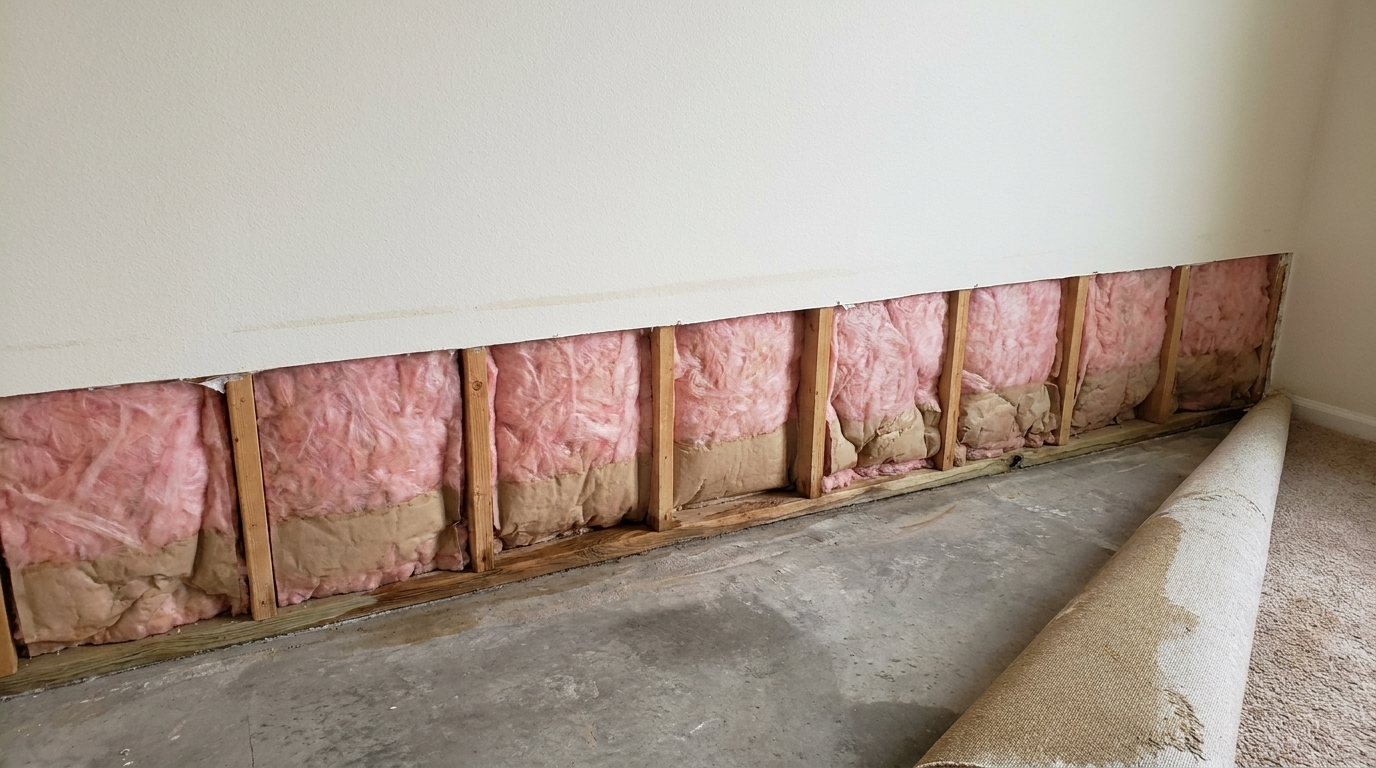
That work is where it becomes a flood cleanup job. Once river water has soaked into drywall, insulation, flooring or a crawl space, the wet you can see is only part of it. Pulling the standing water out comes first on a flooded floor, and we use thermal imaging and moisture meters to find where the water went. For the first day after a basement takes water, our guide to basement flooding after a storm covers what to do.
An inspection and estimate from us are free and carry no commitment, and an inspection doesn't open a claim. Once a claim is open, we work directly with the carrier and the adjuster on the documentation.
The Bottom Line on Flood Coverage in Garden City
Does homeowners insurance cover flooding in a Garden City home? Typically not: flood and surface water usually fall under the homeowners policy's water damage exclusion, and flood cover is a separate policy that Garden City residents can buy through the NFIP. Check your own policy's wording, and ask your agent what you hold.
Water from outside, like the river over its banks or runoff across the ground, points to a flood claim; water that escapes inside, like a split supply line, a burst washer hose or an overflowing dishwasher, is a homeowners claim, decided under that policy's terms.
Under FEMA's rules, an NFIP policy on a single-family home can carry at most $250,000 for the building and $100,000 for contents, and a new policy usually takes effect on the 30th day after you apply and pay. The policy narrows in a basement and leaves out living expenses and the yard.
For a house in a Special Flood Hazard Area with a mortgage, expect the lender to ask for flood insurance, based on the maps in effect, which the city says stay in place for the time being.
Under the city's rule, reconstruction, rehabilitation, additions or other improvements that equal or exceed 50% of the building's value must meet the standards for new development in the SFHA, and each review cycle of a floodplain application can take up to 15 working days.
Whichever policy you hold, or if you hold none, our team answers 24/7 for flooded homes in Garden City and the rest of the Treasure Valley. If you're in Boise, see how we handle water damage across Boise.
Apex Restoration Team
Water Damage & Restoration Specialists
We're the Apex Restoration team — a family-owned, IICRC-certified crew handling water damage, mold, and abatement across Boise, the Treasure Valley, and Eastern Washington & North Idaho. We answer 24/7 and write these guides to help homeowners make calm, informed decisions when water, mold, or hazards show up.
Related Posts
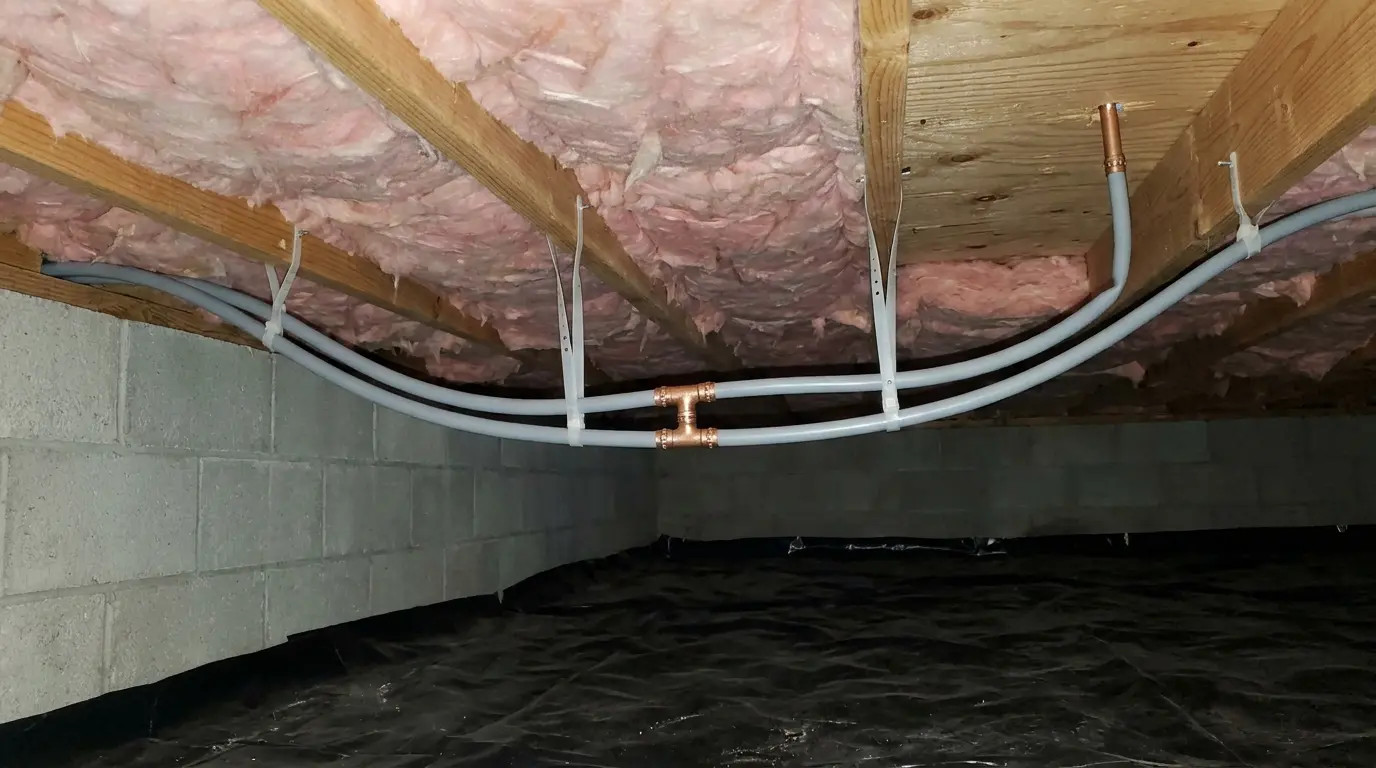
Does Your Mountain Home, ID House Have Polybutylene Pipes?
Built or replumbed between 1978 and July 1995? Your Mountain Home house could have polybutylene. How to tell, where to look and when to call a plumber.
How Long Does a Landlord Have to Fix Mold in Boise?
Boise's three business days cover housing code violations, not mold by name. Who fixes what, tenant notices, rent, retaliation and who removes mold.
Who Is Responsible When Sewage Backs Up Into a Boise Home?
How Boise's code splits the sewer pipe between owner and City, who pays the plumber, whom to call and the deadline for a claim with the City.