
Basement Flooding After a Storm in Boise: What to Do First
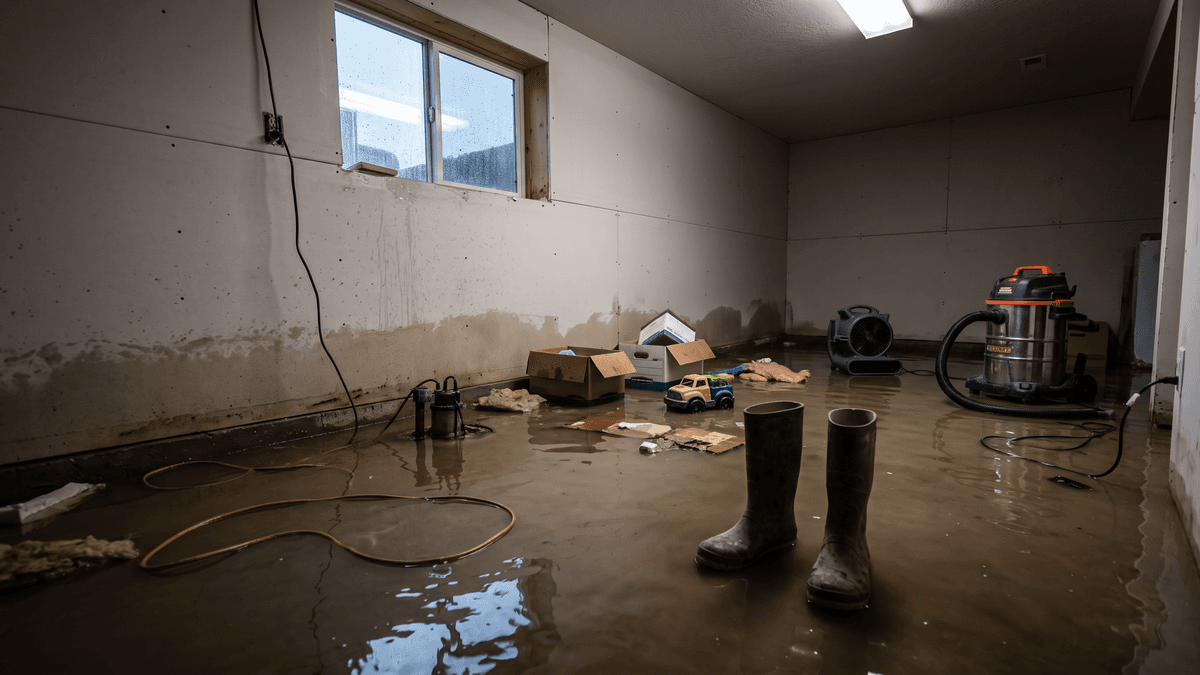
When a summer thunderstorm rolls through the Treasure Valley, or a fast snowmelt pushes more water into the ground than your yard can absorb, basement flooding can happen fast. One hour your basement is dry, and the next you're standing at the top of the stairs looking at water in the basement after heavy rain, wondering what to grab first.
Here's exactly what to do in the first 24 hours, why a flooded basement is riskier than it looks, and when it's time to call in a restoration crew instead of a mop and a shop vac.
Get Your Quote
Ready to handle this with a pro?
You're reading about What to Do When Your Basement Floods (First 24 Hours). Get a fast quote for water damage restoration service in Boise, ID from Apex Restoration.
What to Do When Your Basement Floods (First 24 Hours)
Safety First
Before you touch anything, stop and look.
Do not walk into standing water if it's touching electrical outlets, the breaker panel, or any plugged-in appliances. Water conducts electricity, and you can't tell by looking whether a circuit is live.
Shut off power at the breaker only if the panel is dry and you can reach it safely, without stepping through water. If the panel itself is wet, or you'd have to cross standing water to get to it, leave it alone and call an electrician or your utility company instead.
Wear rubber boots and gloves if you do go in, and avoid letting the water touch bare skin, especially if it smells like sewage or has been sitting a while.
This lines up with FEMA's flood safety guidance, which flags electrical hazards and contaminated water as the two biggest risks in the hours right after a flood.
Once It's Safe to Move
Stop the source if you can do it safely. That might mean switching off an overwhelmed sump pump, closing a valve, or simply waiting out the storm.
Document everything before you move a single box. Take photos and video of the water level, soaked belongings, walls, and flooring. Insurance adjusters rely on this evidence, and it's much harder to prove a loss after the room has already been cleaned up.
Move valuables, furniture, and stored items up and out of the water to limit further damage.
If it's a small amount of clean water (from a supply line, not storm or ground water), a wet-vac or sump pump can handle the initial removal. If it came in from the storm, treat it as contaminated and skip the DIY cleanup.
That covers the emergency basics. What happens next is where a lot of homeowners underestimate the problem.
Why "It's Just a Little Water" Is the Bigger Risk
A dry-looking basement the next morning doesn't mean the danger has passed. Carpet padding, drywall, insulation, and subfloor can stay saturated long after the visible puddles are gone, and that trapped moisture is exactly what mold needs to take hold.
Most industry guidance points to a 24 to 48 hour window before mold growth begins in wet building materials that haven't been fully dried out, not just mopped or vacuumed on the surface.
There's also the question of what's actually in the water. Storm runoff and groundwater that seep into a basement are frequently what the restoration industry, following IICRC S500 standards, classifies as Category 3 water, meaning it's grossly contaminated and can carry bacteria, chemicals, or sewage.
The CDC recommends treating any flood water as contaminated and wearing gloves, boots, and eye protection during cleanup, since you can't tell what's in it just by looking. That's different from the clean water you'd get from a burst supply line.
We break down the difference between clean, gray, and black water categories in more detail, but the short version is simple: if it came from outside during a storm, treat it as contaminated until proven otherwise, and skip the DIY cleanup once it has.
When to Call a Professional
A wet-vac and a box fan are fine for a shallow puddle you catch immediately. They're not enough once any of the following is true:
More than an inch of standing water
Water that has been sitting for more than 24 hours
A sewage smell, storm-water odor, or general mustiness
Soaked drywall, insulation, or carpet padding
Water touching electrical outlets, wiring, or the panel
Water covering a large section of a finished basement
If you're checking boxes on that list, you're past the point where mopping and fans will actually dry the structure. That's when professional water extraction and structural drying equipment make the difference between a clean recovery and a mold problem three weeks later.
Get Your Quote
Ready to handle this with a pro?
You're reading about How Apex Restoration Helps After a Storm. Get a fast quote for water damage restoration service in Boise, ID from Apex Restoration.
How Apex Restoration Helps After a Storm
When you call us after a basement flood, here's what happens. We send a technician to your home for a free inspection, typically on site within the hour, any time of day, since storms don't wait for business hours.
From there, our IICRC-certified technicians handle the parts that are hard to do yourself:
Water extraction to pull standing water out fast, using pumps and extraction equipment rather than a household wet-vac.
Moisture mapping to find water that has traveled into walls, subfloor, or framing that looks dry on the surface but isn't.
Structural drying with commercial air movers and dehumidifiers, set up and monitored until moisture levels are verified back to normal, not just visually dry.
Full flood cleanup, from contaminated water removal through repairs, backed by a lifetime warranty on our work.
We also work directly with your insurance carrier and adjuster, documenting the loss with the kind of detail a claim needs. That's on top of being BBB A+ accredited and licensed and insured, so you're not managing an unfamiliar process alone in the middle of a stressful week.
Whether the job is a soaked family room or a full water damage restoration after the storm moves out, the goal is the same: dry it out, verify it, and get ahead of mold before it starts.
Why This Happens So Often in Boise and the Treasure Valley
Summer in the Treasure Valley brings fast-moving thunderstorms that can drop a lot of rain in a short window, more rain than many yards, window wells, and older sump systems are graded to handle.
Add in spring snowmelt runoff soaking the ground before summer storms even arrive, and a lot of area basements are already fighting saturated soil around the foundation before the first heavy downpour hits. We see this pattern across Boise, Meridian, Nampa, Caldwell, Eagle, Garden City, Kuna, Star, Middleton, Mountain Home, Emmett, Fruitland, and Payette.
It's not just a Treasure Valley issue. Spokane, Spokane Valley, Coeur d'Alene, and Post Falls see their own share of intense summer storms that overwhelm drainage and push water into basements and crawl spaces. Wherever you're located, the steps above for the first 24 hours, and the signs that mean it's time to call a professional, apply the same way.
Frequently Asked Questions
Does Insurance Cover Basement Flooding?
It depends on the source of the water and your policy. Standard homeowners insurance often excludes flooding caused by surface water or rising groundwater. That's typically covered by a separate flood insurance policy. A sudden, accidental event like a failed sump pump or a sewer backup is usually covered only if you carry a separate water-backup or sump-overflow endorsement, not by a base homeowners policy. Your agent can tell you exactly what your policy includes. Either way, we document the loss thoroughly so you have what you need for the claim.
How Fast Can Mold Actually Start Growing After a Flood?
In wet drywall, carpet, or insulation that isn't dried out, mold can begin within 24 to 48 hours. That's the main reason a "deal with it this weekend" approach is riskier than it feels in the moment.
Can I Just Dry It Out Myself With Fans and a Dehumidifier?
For a small amount of clean water caught right away, sometimes. Once you're past an inch of standing water, a day of sitting time, or any contamination, household fans dry the surface but rarely reach moisture trapped inside walls and subfloor, which is exactly what moisture mapping and commercial drying equipment are built to find and fix.
What's the Difference Between Storm Flooding and a Burst Pipe?
Mainly what's in the water. A burst pipe is usually clean water. Storm and groundwater intrusion is usually contaminated. The cleanup and safety precautions differ accordingly, which is part of why we assess the source before starting any extraction.
Get Your Quote
Ready to handle this with a pro?
You're reading about Get a Free Inspection. Get a fast quote for water damage restoration service in Boise, ID from Apex Restoration.
Get a Free Inspection
If your basement has flooded after a storm, or you're standing over water in the basement right now trying to decide what to do next, we're available 24/7 with a technician on site within the hour for a free inspection. No pressure, just a clear read on what's actually happening in your walls and floors, and what it'll take to dry it out right.
Apex Restoration Team
Water Damage & Restoration Specialists
We're the Apex Restoration team — a family-owned, IICRC-certified crew handling water damage, mold, and abatement across Boise, the Treasure Valley, and Eastern Washington & North Idaho. We answer 24/7 and write these guides to help homeowners make calm, informed decisions when water, mold, or hazards show up.
Related Posts
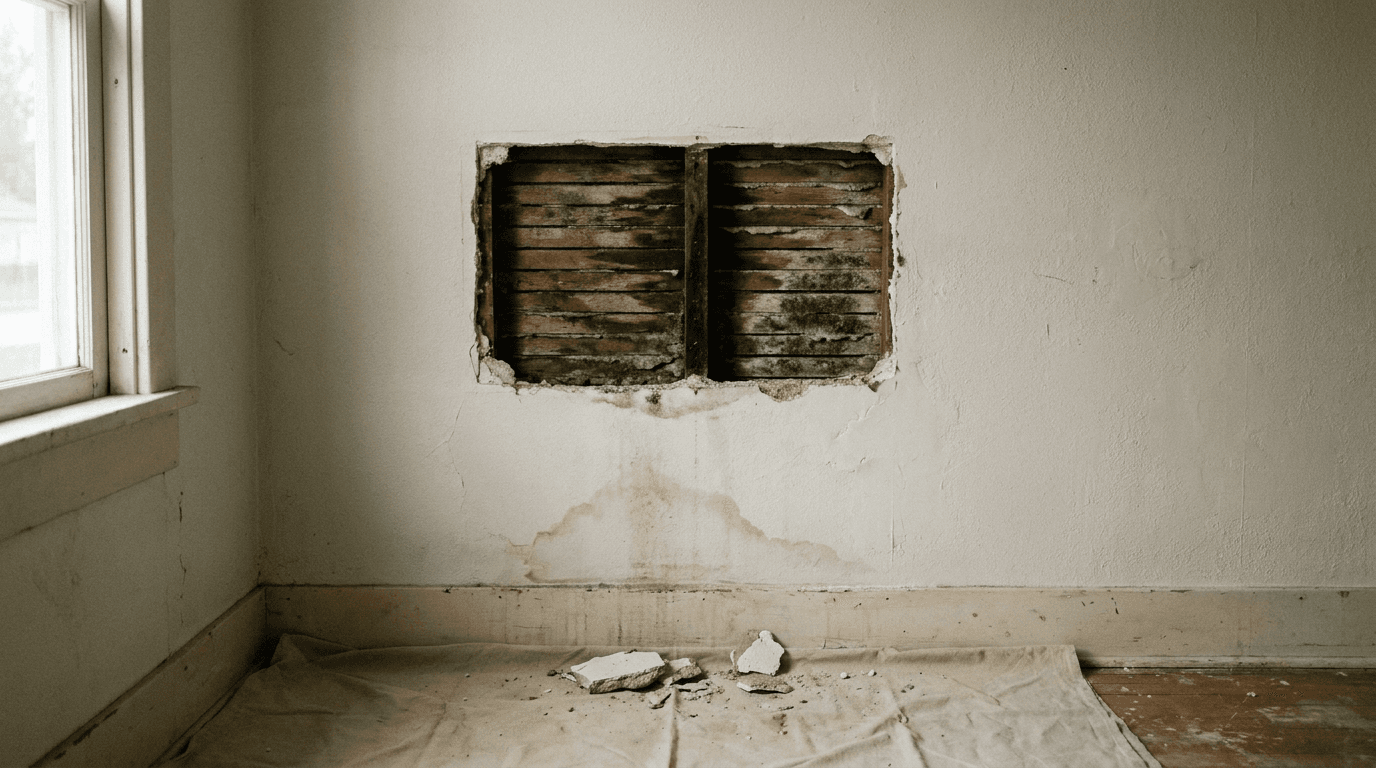
Does Homeowners Insurance Cover Mold Removal in Caldwell?
Homeowners insurance can pay for mold removal in a Caldwell home when the mold traces back to a covered water event, often only up to a limit. Here's how that limit often works, what an adjuster weighs, and what to tell your insurer.
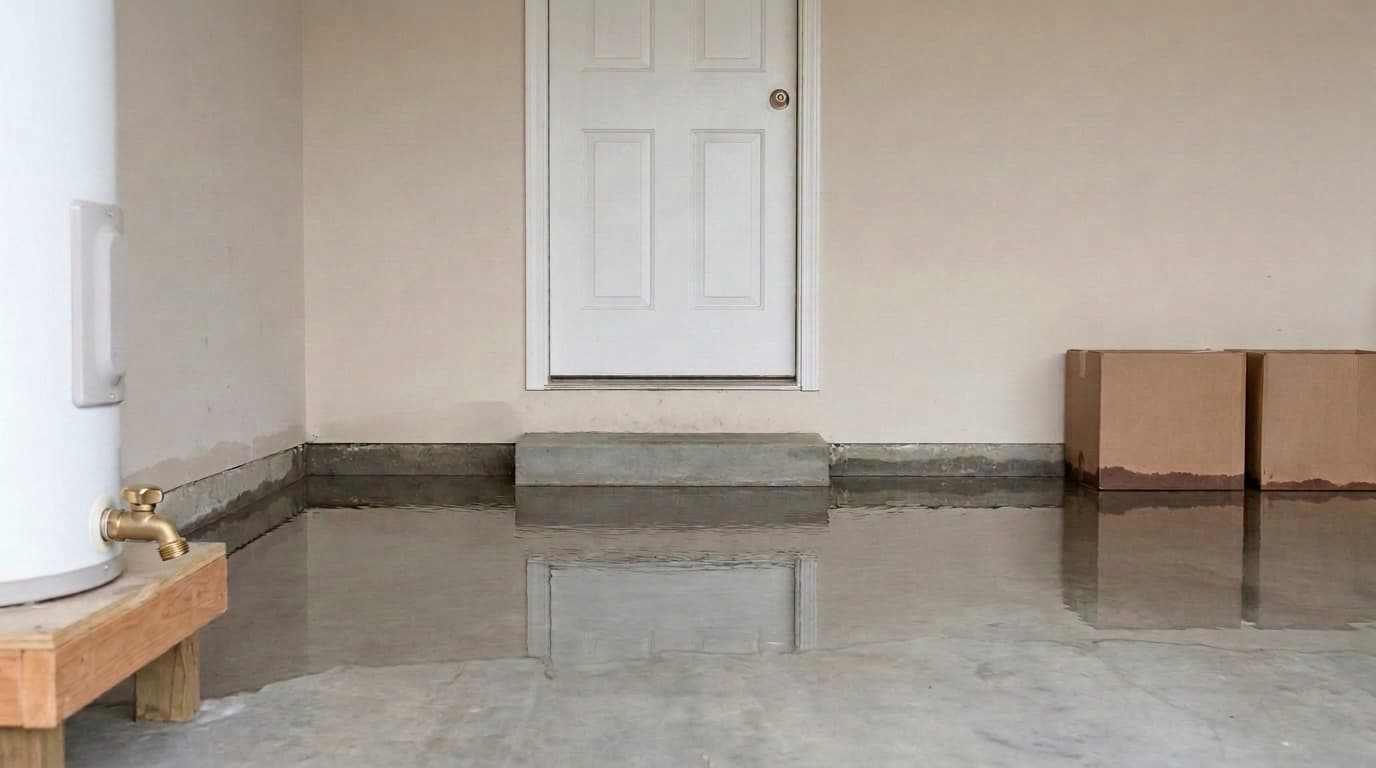
What Should You Do When a Star Garage Floods?
When a water heater or washer floods a Star garage, stay clear of anything electrical the water reached, stop it at the source, and move it away from the house wall. Here's what to check next, and which board Idaho's code calls for when that wall is repaired.
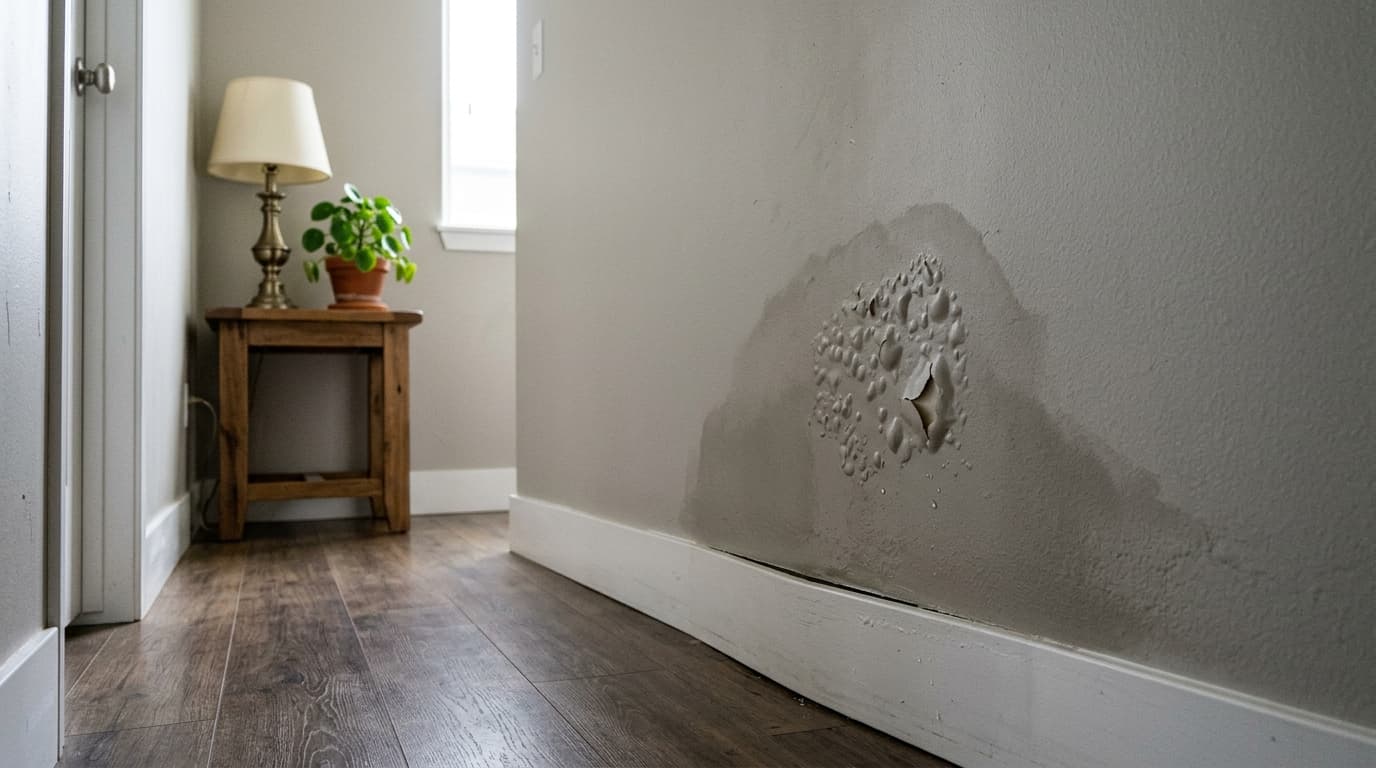
How Do You Find a Water Leak in a Middleton Wall?
A leak inside a Middleton wall can show up in the water bill, a faint running sound or a bubbling paint seam before any stain appears. Here's how to narrow it down, what the City's meter rules mean for you, and when opening the wall makes sense.