
Does Your Mountain Home, ID House Have Polybutylene Pipes?
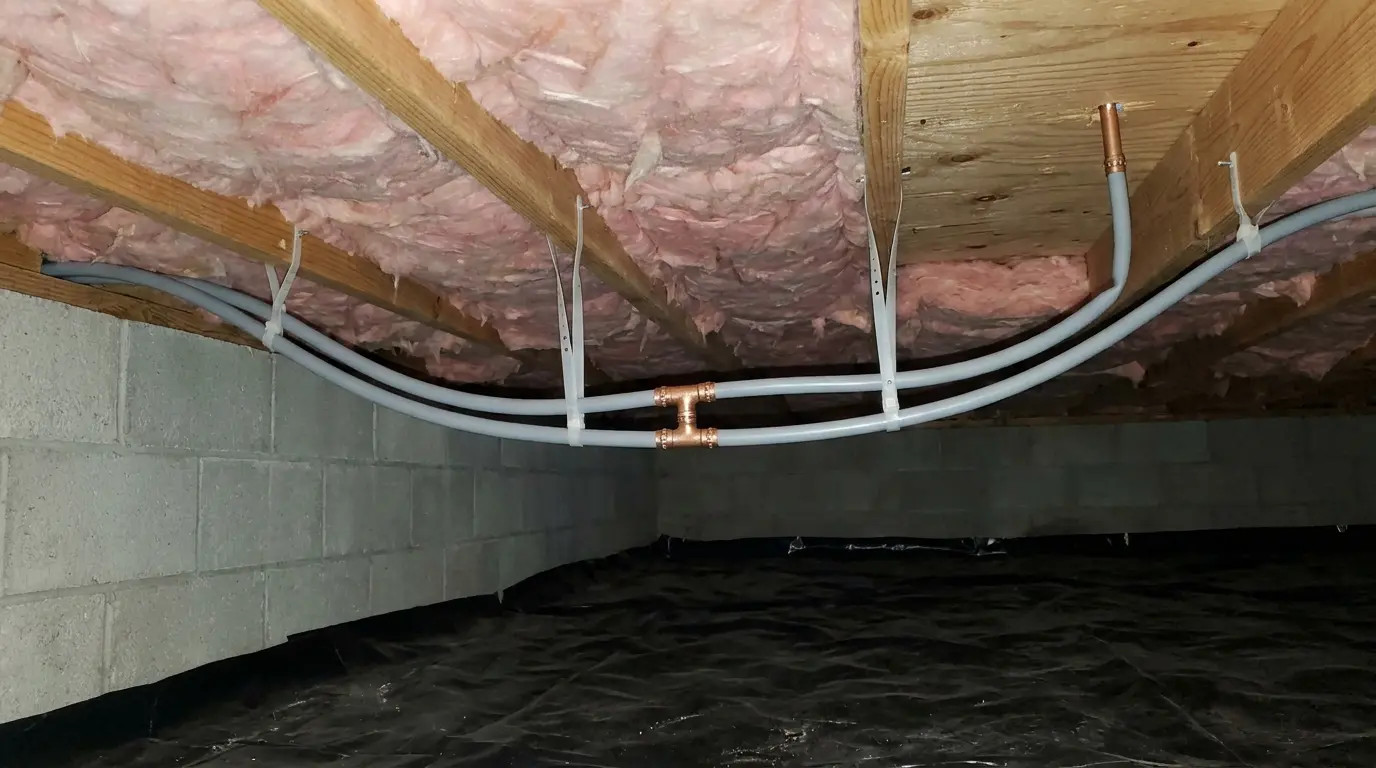
A Mountain Home house built or replumbed between January 1, 1978 and July 31, 1995 could have polybutylene pipe. Those are the installation dates a national class action settlement uses to define the polybutylene plumbing systems it covers, so the year tells you whether to look, not what you'll find. Polybutylene is a flexible plastic water supply pipe, most often gray and usually stamped with the code PB2110, according to InterNACHI's identification tips for home inspectors. Color alone doesn't settle it, though. A plumber can determine whether a pipe is polybutylene.
The reason to find out is leaks. A supply line that leaks puts water into the walls, floors and ceilings around it. We don't check pipes for polybutylene, and we don't repair or replace plumbing. When a line has leaked, a plumber fixes it, and the water damage repair that follows is our work.
Get Your Quote
Ready to handle this with a pro?
You're reading about How Do You Tell Whether a Mountain Home House Could Have Polybutylene Pipes. Get a fast quote for water damage restoration service in Boise, ID from Apex Restoration.
How Do You Tell Whether a Mountain Home House Could Have Polybutylene Pipes?
From two clues: when the plumbing went in, and what the exposed lines look like. Neither one is a test. Together they tell you whether your house could have polybutylene, and a plumber tells you whether it does.
Start with the date. The national Cox v. Shell Oil class action settlement covers polybutylene plumbing systems with an installation date between January 1, 1978 and July 31, 1995. That window is how the settlement defines the systems it covers, not a rule about the pipe itself, so a date inside it is a reason to look rather than an answer.
Two dates count: the year the house was built and the year it was last replumbed, if it ever was. For example, a house built before 1978 whose supply lines were replaced during the window falls inside it by the replumb date. A house built inside the window may have been replumbed with another material since, and the build year alone won't tell you that. If you don't know either date, the look at the lines carries more weight.
A home inspection report from your purchase may name the pipe material. A report that doesn't mention polybutylene hasn't ruled it out, though, because the inspector guidance on polybutylene doesn't require home inspectors to note it.
Then look at whatever plumbing you can see without opening anything up. The next two sections cover what polybutylene looks like next to PEX and where its lines show in a house. If what you find matches and the dates fit, your Mountain Home house could have polybutylene. If you're not sure what you're looking at, that's the point to bring in a plumber.
Which Build Years Carry a Polybutylene Risk for Mountain Home Homeowners?
Any build year from 1978 through July 1995 puts a house inside the settlement's window, and much of Mountain Home's housing went up in or near those years.
The U.S. Census Bureau's American Community Survey estimates for 2020 to 2024 put the median year built for housing units in the city of Mountain Home at 1989, inside the window. By decade, the same survey's housing table counts about one in nine of the city's housing units as built in the 1980s, about one in six as built in the 1990s and about one in six as built in the 1970s.
Those decades don't line up with the settlement's dates. The whole of the 1980s falls inside the window, but the window covers just 1990 to July 1995 of the 1990s, and just 1978 and 1979 of the 1970s. So the three decades can't be added up into a share of houses built inside the window.
The counts also record when a building went up, not what pipe is in it or whether it was replumbed later. A house from those years may have copper or another material, and an older house may have been replumbed during the window. Read the figures as a reason for a Mountain Home homeowner to check, not as a count of homes with polybutylene.
The figures cover the city of Mountain Home itself. A house outside the city limits isn't in them, but the settlement's window applies to it all the same.
What Does Polybutylene Pipe Look Like Next to PEX?
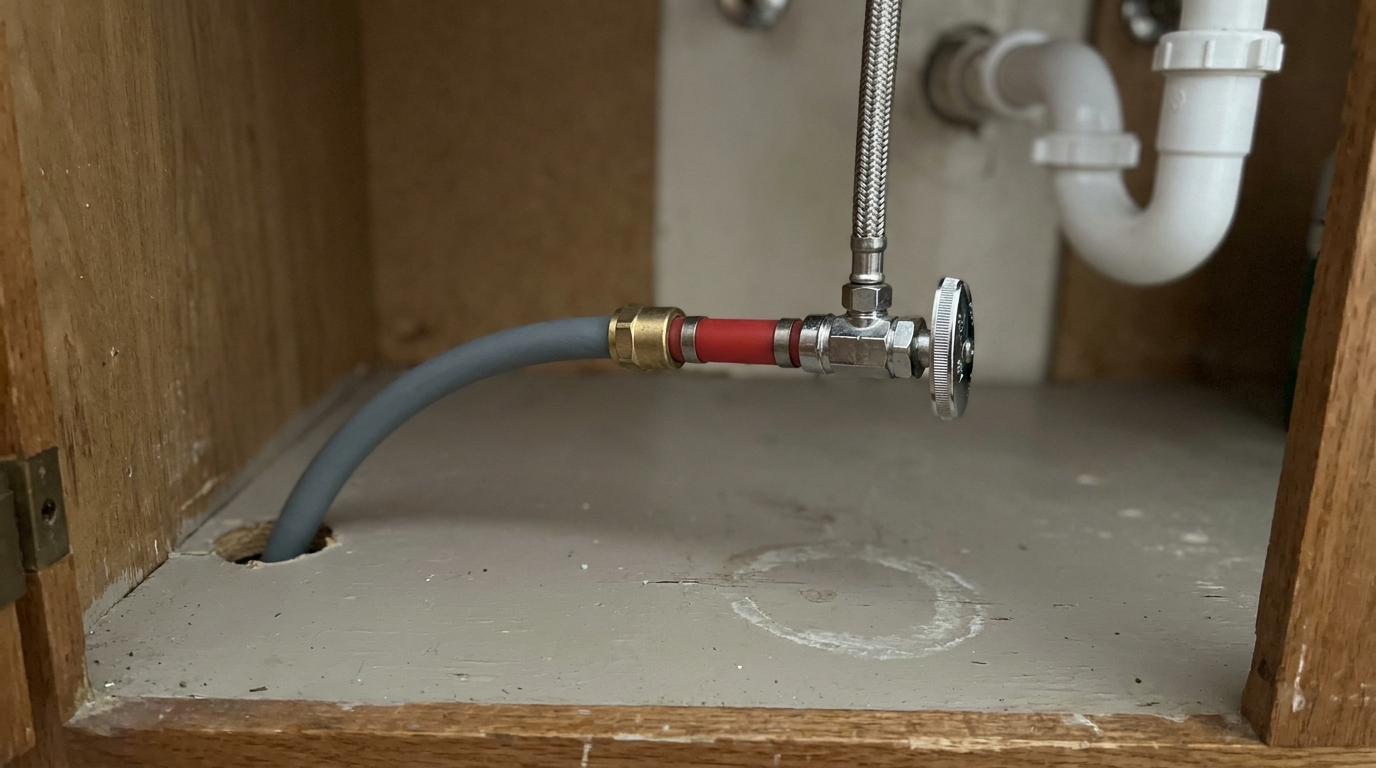
Polybutylene pipe has a few traits you can check without tools (identification tips for home inspectors):
It's flexible and sometimes curved, unlike rigid pipe such as copper.
It's usually stamped with the code PB2110.
It's most often gray, though it can also be white, silver, black or blue.
It isn't used for waste, drain or vent piping, so the drain pipe under a sink isn't it.
The stamp is usually there, not always, so a run with no stamp you can see isn't cleared by that alone.
PEX, a flexible cross-linked polyethylene pipe, is one of the materials polybutylene gets confused with. PEX can be black, blue or red, and it coils more easily and is more flexible than polybutylene. That overlap is why color alone doesn't settle it: black and blue turn up in both, a black pipe may be polyethylene instead, and a white one may be PVC.
Plastic plumbing pipe comes in several materials: polybutylene, PEX, PVC, CPVC and polyethylene. PVC and CPVC look white or off-white, and polyethylene is black.
You may also see fittings mentioned. The settlement defines a covered system by its fittings as well as its pipe: polybutylene pipe with acetal or metal insert fittings. That describes what the settlement covers. It isn't a way to identify the pipe in your house.
Get Your Quote
Ready to handle this with a pro?
You're reading about Where Should You Look for Polybutylene Lines Around a Mountain Home House. Get a fast quote for water damage restoration service in Boise, ID from Apex Restoration.
Where Should You Look for Polybutylene Lines Around a Mountain Home House?
Anywhere the supply plumbing is exposed: under the kitchen and bathroom sinks, at the water heater, and in a crawl space or attic. Those are the places in a Mountain Home house where you can usually see a supply line without cutting into anything. Under a sink, the supply lines are the smaller ones running to the faucet, not the larger drain pipe.
At each spot, follow the line as far as you can see it instead of judging by the first stretch of pipe. Some copper systems use polybutylene at junctions, and a common example is polybutylene feeding the short copper stub-outs that come through the wall to bathroom fixtures (inspection notes on polybutylene). So a copper stub under a sink doesn't rule out polybutylene behind the wall.
In a crawl space or attic, look from the access opening with a flashlight rather than climbing in, and leave anything you can't see from there for the plumber's visit. Take a photo of anything that looks like a match, with the PB2110 stamp in the frame if you can find one, so the plumber can see what you saw. You're looking, not testing: nothing here calls for cutting anything open or turning off the water.
What Signs Point to a Hidden Polybutylene Leak in Mountain Home?
Two signs can point to a leak inside a house: water damage you can see in a wall, floor or ceiling, and an increase in water usage, which can mean a leak you can't see.
Neither sign tells you which pipe is leaking, or that the pipe is polybutylene. In a Mountain Home house that could have it, though, either one is reason enough to call a plumber rather than wait to see whether it spreads. Tracking a leak down inside a wall, including the water meter check and listening for it, is covered in our guide to finding a leak inside a wall.
When Should a Mountain Home Household Call a Plumber About Polybutylene Lines?
In any of three situations:
The house was built or replumbed between 1978 and July 1995, and there are flexible plastic supply lines you can't identify.
You found a line that matches: flexible, gray or another of the colors above, or stamped PB2110.
Either leak sign shows up in a house that could have polybutylene.
When you call, give the plumber the build or replumb year if you know it, where you saw the lines and the photos you took. The first two situations can wait for a scheduled visit. The third shouldn't. If water is coming out right now, our guide to what to do right after a burst pipe covers finding the main shutoff and who to call first.
From there, the decisions belong to the plumber and you: whether the lines are polybutylene, whether to fix a section or replace the system, what to replace it with, PEX included, and what that would cost, which is a matter for the plumber's quote. We don't inspect pipes for polybutylene, and we don't repair, repipe or replace plumbing, so those answers come from the plumber, not from us.
Get Your Quote
Ready to handle this with a pro?
You're reading about When Does a Polybutylene Leak Become a Drying Job in a Mountain Home House. Get a fast quote for water damage restoration service in Boise, ID from Apex Restoration.
When Does a Polybutylene Leak Become a Drying Job in a Mountain Home House?
When the water soaks into the house itself: the drywall, flooring, insulation or framing. For example, a slow drip under a sink that you caught in a bowl and wiped up may need nothing from us once the plumber has fixed the joint. A joint that let go above a finished ceiling, or one that soaked the subfloor and the bottom of a wall, is a drying job.
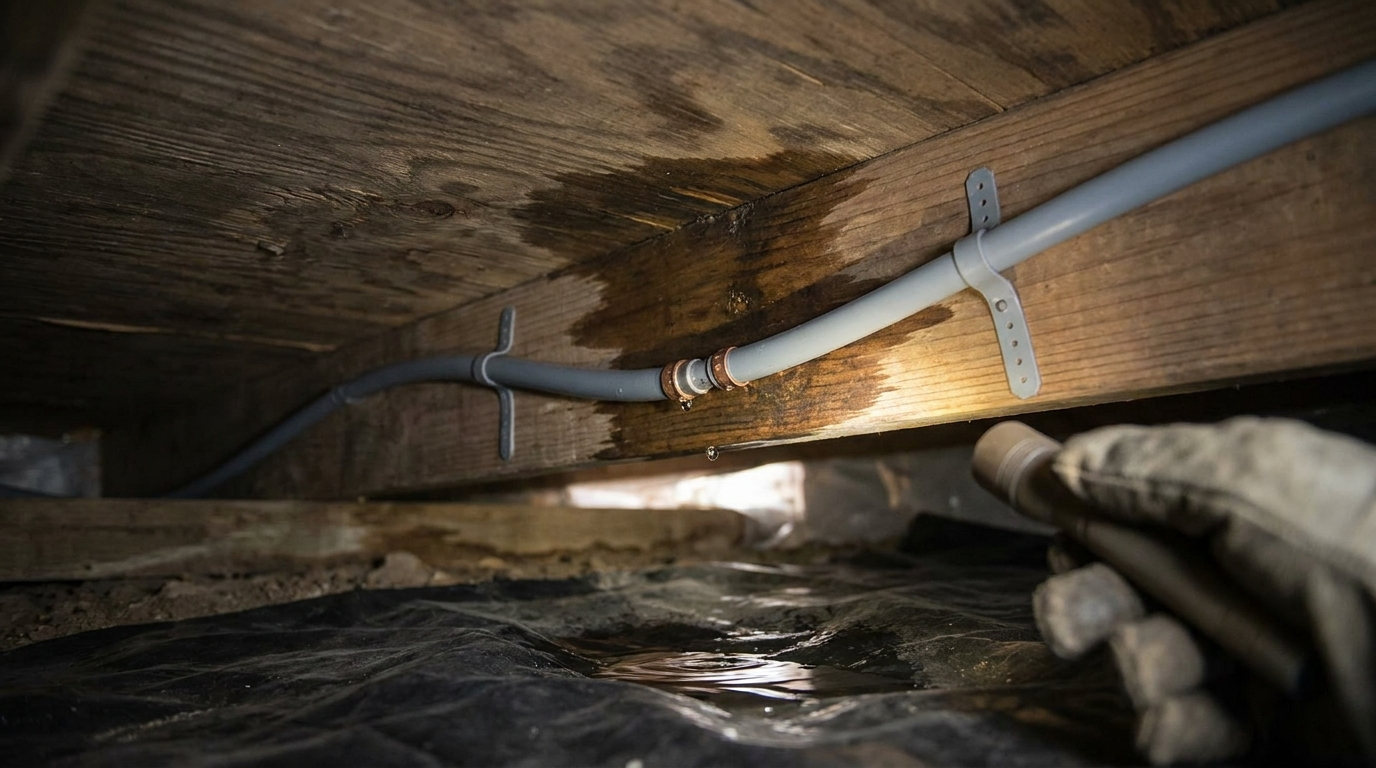
The order matters. The plumber stops the leak and repairs the line first, because drying a wall while the pipe inside it still leaks only starts the job over. Then the drying is ours. We extract any standing water, and thermal imaging and moisture meters show us where the rest of the water went, including inside walls and floors you can't see into.
From there, we remove what can't be dried and dry the structure. When it's dry, the rebuild is carried out by a reconstruction partner, and we leave the space ready for them.
Not sure whether the water got past the surface? Finding that out is what our inspection is for, and the inspection and the estimate are free and carry no commitment. Whether a policy pays for any of this depends on its wording, and our guide to how Idaho homeowners policies treat water damage walks through it.
The Bottom Line on Polybutylene Pipes in Mountain Home
A Mountain Home house built or replumbed between January 1, 1978 and July 31, 1995 could have polybutylene. Those are the installation dates the Cox v. Shell Oil settlement uses for the systems it covers, so the date is a reason to look, not an answer.
Mountain Home's median year built is 1989 in the Census Bureau's 2020 to 2024 estimates, which makes checking worthwhile here. The counts say nothing about which pipe a house has.
Polybutylene is flexible plastic supply pipe, usually stamped PB2110 and most often gray. PEX can be black, blue or red, so color alone doesn't settle it.
Look under the kitchen and bathroom sinks, at the water heater, and into a crawl space or attic from its access opening, and follow each line past any copper stub-out.
Visible water damage in walls, floors or ceilings, or an increase in water usage, can point to a leak and is a reason to call a plumber.
A plumber can determine whether a pipe is polybutylene and decides with you on repair or replacement. Once water is in the drywall, flooring or framing, the drying is ours, and a reconstruction partner carries out the rebuild.
If a leak has already reached the walls or floors of your Mountain Home house, we respond 24/7 there and across the Treasure Valley, including water damage restoration in Boise.
Apex Restoration Team
Water Damage & Restoration Specialists
We're the Apex Restoration team — a family-owned, IICRC-certified crew handling water damage, mold, and abatement across Boise, the Treasure Valley, and Eastern Washington & North Idaho. We answer 24/7 and write these guides to help homeowners make calm, informed decisions when water, mold, or hazards show up.
Related Posts
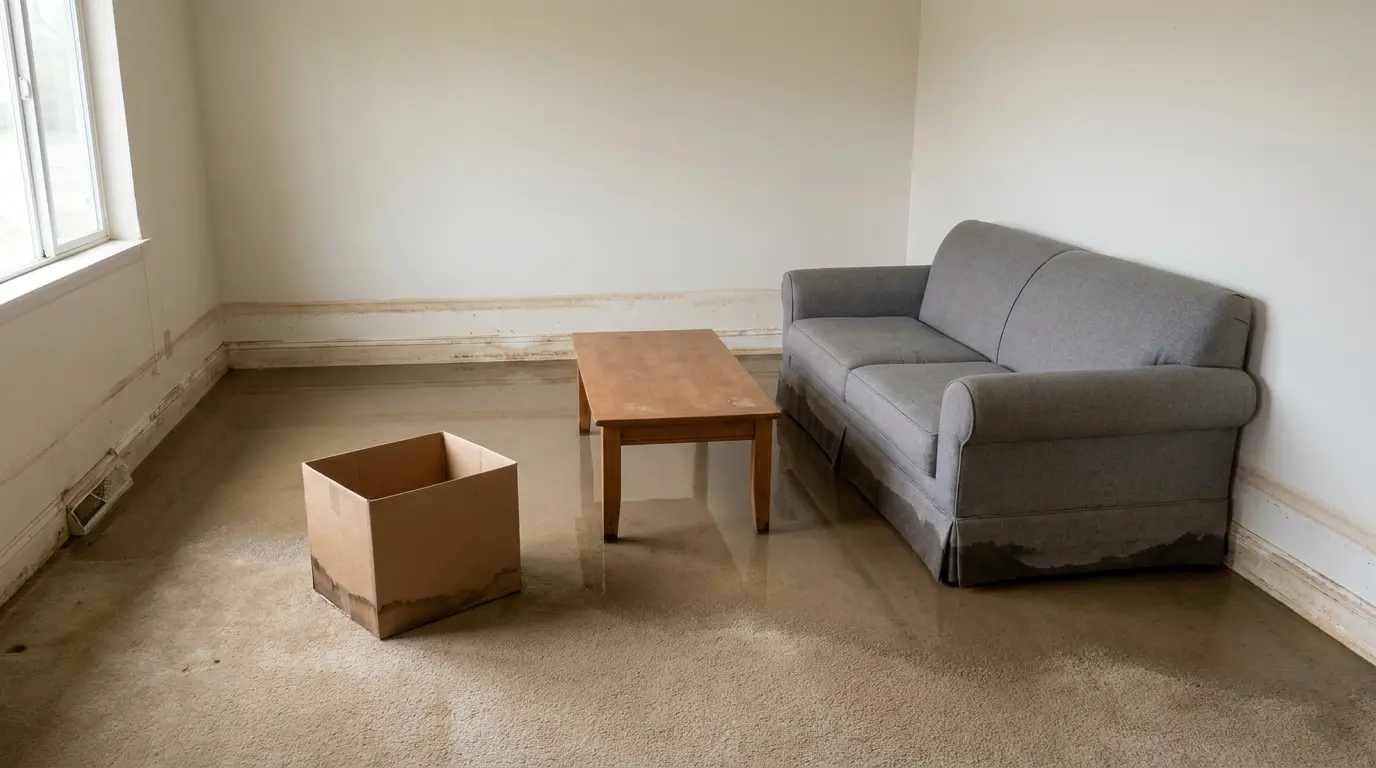
Does Homeowners Insurance Cover Flooding in Garden City?
Homeowners policies typically exclude flood, so here is what an NFIP policy covers in Garden City, when a lender asks for one and how the 50% rule works.
How Long Does a Landlord Have to Fix Mold in Boise?
Boise's three business days cover housing code violations, not mold by name. Who fixes what, tenant notices, rent, retaliation and who removes mold.
Who Is Responsible When Sewage Backs Up Into a Boise Home?
How Boise's code splits the sewer pipe between owner and City, who pays the plumber, whom to call and the deadline for a claim with the City.