
Does Homeowners Insurance Cover Water Damage in Idaho?

Water damage is one of the most common — and most misunderstood — homeowners insurance claims in Idaho. Whether you're dealing with a burst pipe during a Boise freeze or watching snowmelt creep toward your foundation in the Treasure Valley, knowing what your policy actually covers before disaster strikes can save you thousands of dollars and serious frustration. Idaho's unique climate, evolving insurance market, and real-world claim outcomes make this a topic that deserves more than a generic answer — so let's break it down the way a local insurance advisor would.
Get Your Quote
Ready to handle this with a pro?
You're reading about What Types of Water Damage Does Homeowners Insurance Actually Cover. Get a fast quote for water damage restoration service in Boise, ID from Apex Restoration.
What Types of Water Damage Does Homeowners Insurance Actually Cover?
Sudden and Accidental Damage: The Coverage Sweet Spot
Standard homeowners (HO) policies cover water damage that is sudden, accidental, and internal — think a burst pipe, ruptured water heater, or washing machine overflow. The key legal distinction is that the damage must not have been foreseeable or the result of neglect. Idaho winters create very real burst-pipe risk, and frozen pipes in crawl spaces and unheated garages are among the most common covered claim scenarios in the state.
Dwelling vs. Personal Property Coverage for Water Damage
Dwelling coverage (Coverage A) pays to repair structural damage — floors, walls, ceilings, subfloor — caused by a covered water event. Personal property coverage (Coverage C) reimburses you for damaged belongings like furniture, electronics, and clothing. One detail that catches many Idaho homeowners off guard: if you have an actual cash value (ACV) policy rather than replacement cost coverage, depreciation deductions can significantly reduce your payout on flooring or older appliances. Understanding what water damage repair typically costs in comparable markets can help you gauge whether your coverage limits are adequate before a loss occurs.
Appliance Failures and Leaking Plumbing
Damage caused by a dishwasher, refrigerator ice maker, or washing machine that suddenly fails is typically covered under a standard HO policy. However, the failed appliance or broken pipe itself is usually not covered — only the resulting water damage to your home is. According to NAIC guidance on homeowners insurance and water damage, even when a component like a water pressure regulator fails due to age, the resulting damage to floors and walls is generally still covered — a nuanced distinction many homeowners miss entirely.
What Water Damage Is NOT Covered by Standard Idaho Homeowners Insurance?
Gradual Damage and Maintenance Neglect Exclusions
Slow leaks, long-term seepage, or damage that built up over weeks or months is almost always excluded from coverage. Insurers can — and do — deny claims by citing pre-existing mold or microbial growth as evidence of neglect. Maintenance neglect is the number one reason water damage claims are denied in Idaho, so document your repairs and address small leaks immediately.
Flood Damage: The Most Costly Coverage Gap in Idaho
Standard homeowners insurance policies do not cover flooding from external water sources — period. This includes snowmelt runoff, overflowing rivers like the Boise River, and storm surge — all real seasonal risks for Idaho communities near waterways. The Idaho Department of Insurance urges homeowners to review their flood risk every March during Flood Awareness Month, and it's worth noting that NFIP flood insurance through FEMA carries a 30-day waiting period — so acting before spring snowmelt season is absolutely critical. The National Flood Insurance Program provides resources to help homeowners understand their flood risk and coverage options before purchasing a policy.
Sewer and Drain Backup: A Separate Exclusion
Water that backs up through a sewer line or drain is excluded from standard HO policies, but optional sewer/drain backup endorsements are available and relatively affordable — often just $50–$100 per year. Professional sewage cleanup creates both water damage and serious health hazards, making this add-on coverage worth strong consideration for Idaho homeowners, particularly those in older neighborhoods with aging infrastructure.
How Do Idaho's Unique Climate and Geography Affect Water Damage Risk?
Snowmelt, Spring Flooding, and River-Adjacent Communities
Idaho's mountain snowpack creates significant spring flooding risk, and communities along the Boise River and Snake River face annual snowmelt overflow threats that standard HO policies simply won't cover. Homeowners in FEMA-designated flood zones may be required by their mortgage lender to carry NFIP flood insurance; those outside designated zones can still purchase it — and according to FEMA's flood insurance program, a significant percentage of flood claims come from properties outside high-risk zones. If you're near any Idaho river corridor, don't assume you're safe.
Freeze-Thaw Cycles and Pipe Burst Risk in Idaho Winters
Idaho's freeze-thaw cycles — particularly in northern Idaho, mountain communities, and Rexburg — put pipes in unheated spaces at high risk of bursting. Preventive steps like pipe insulation, keeping heat on during cold snaps, and knowing your main water shutoff location can prevent claims and protect your long-term insurability. When damage does occur, prompt water extraction can be the difference between a manageable claim and a catastrophic one.
Third-Party and Contractor-Caused Water Damage
When a third party — like a city contractor who breaks a water line — causes flooding to your home, their liability coverage should ideally be the primary source of recovery, not your HO policy. However, your insurer may pay first and then subrogate against the liable party. Idaho homeowners facing contractor- or municipality-caused water damage should document everything thoroughly and consider legal counsel if the responsible party disputes their liability. Idaho case law, such as the Rizzo v. State Farm Insurance Company brief, illustrates how complex insurance disputes over water damage can become when liability is contested.
Get Your Quote
Ready to handle this with a pro?
You're reading about What Happens After You File a Water Damage Claim in Idaho. Get a fast quote for water damage restoration service in Boise, ID from Apex Restoration.
What Happens After You File a Water Damage Claim in Idaho?
Insurer Behavior: Rate Increases, Non-Renewal, and Claim Outcomes
Real Idaho homeowner experiences reveal stark differences between insurers: some carriers have denied crawl space pipe burst claims while others paid similar claims without raising rates or issuing a non-renewal. Filing multiple water damage claims — even legitimate ones — can flag you as a high-risk policyholder. Strategic advice from experienced Idaho homeowners: consider paying out of pocket for smaller losses under $2,000–$3,000 and reserving claims for major damage to protect your insurability.
The 'Like for Like' Flooring Dilemma
A frustratingly common post-claim experience: insurers may only replace the directly damaged portion of flooring rather than the entire connected room, even when matching is impossible. Outcomes vary widely — some Idaho homeowners receive full room replacement, others only partial — and the result often depends on how the claim is documented and negotiated. Document your flooring type, age, and manufacturer before a loss occurs; this strengthens your position considerably when arguing for consistent replacement across connected spaces.
Idaho's Insurance Market Instability and What It Means for Water Coverage
Thousands of Idaho homeowners are losing policies due to wildfire risk, shrinking the pool of insurers willing to write coverage in the state — and this directly affects water damage coverage availability. Homeowners dropped by primary insurers may end up in the Idaho FAIR Plan or surplus lines market, which often comes with higher premiums and more limited coverage. Reviewing your policy annually and comparing insurer track records for water claims in Idaho is more important now than it has ever been. Resources like homeowners insurance options in Idaho can help you evaluate carriers before you need to file.
What Should You Do Immediately After Water Damage Occurs in Your Idaho Home?
Emergency Steps to Protect Your Claim and Your Home
Stop the water source immediately — locate and shut off the main water supply valve, because every minute of active water flow increases damage and complicates your claim. Document everything with photos and video before moving or discarding any damaged materials. Then call our 24/7 water damage restoration team in Idaho as soon as possible; our fast extraction and drying dramatically reduces mold risk and secondary damage.
Notifying Your Insurer and Starting the Claims Process
Report the claim to your insurer promptly — most policies require "timely notice," and delays can jeopardize your claim. Keep records of all communication with your insurance company, including dates, names, and what was discussed. If your claim is denied, request the denial in writing with the specific policy exclusion cited; you have the right to dispute the decision and may benefit from working with a licensed public adjuster. Understanding whether flood insurance is worth carrying alongside your standard policy is a question worth revisiting each year, particularly as Idaho's weather patterns continue to shift.
Mold: The Hidden Consequence of Water Damage
Mold can begin growing within 24–48 hours of water intrusion, and Idaho's variable humidity levels make this a real risk year-round. Standard HO policies offer limited mold coverage, often capped at $5,000–$10,000, and mold resulting from a covered water event is more likely to be covered than mold from neglect. Professional mold remediation should be part of any water damage restoration plan, particularly after flooding or prolonged moisture exposure.
Is Your Idaho Home Truly Protected Against Water Damage?
Reviewing Your Policy Before the Next Idaho Storm Season
Pull your current declarations page and review Coverage A, Coverage C, and any water-related endorsements — sewer backup, water service line, and equipment breakdown riders are often available but not automatic. Confirm whether your home is in or near a FEMA flood zone, and seriously evaluate NFIP flood insurance if you're anywhere near Idaho's river corridors or snowmelt runoff paths. When storm damage restoration needs arise quickly and without warning, a local Idaho insurance agent who understands snowmelt flooding, freeze-thaw pipe bursts, and wildfire-driven market instability will serve you far better than a national call center. When the water does rise, our team is here 24/7 to respond fast and help you protect both your home and your claim.
Building a Complete Water Damage Protection Plan
Layer your protection: standard HO policy + sewer backup endorsement + NFIP or private flood insurance = comprehensive water damage coverage for most Idaho homeowners. Maintain your home proactively — fix slow leaks, insulate pipes before winter, clean gutters — to avoid the maintenance neglect exclusion that kills otherwise valid claims. Whether you need water damage repair in Boise, flood cleanup in Nampa, or water damage restoration in Coeur d'Alene, knowing your coverage gaps before the water rises is always the smartest move you can make. Homeowners in the Nampa area can also find dedicated support through water damage restoration in Nampa when fast response matters most.
Related Posts
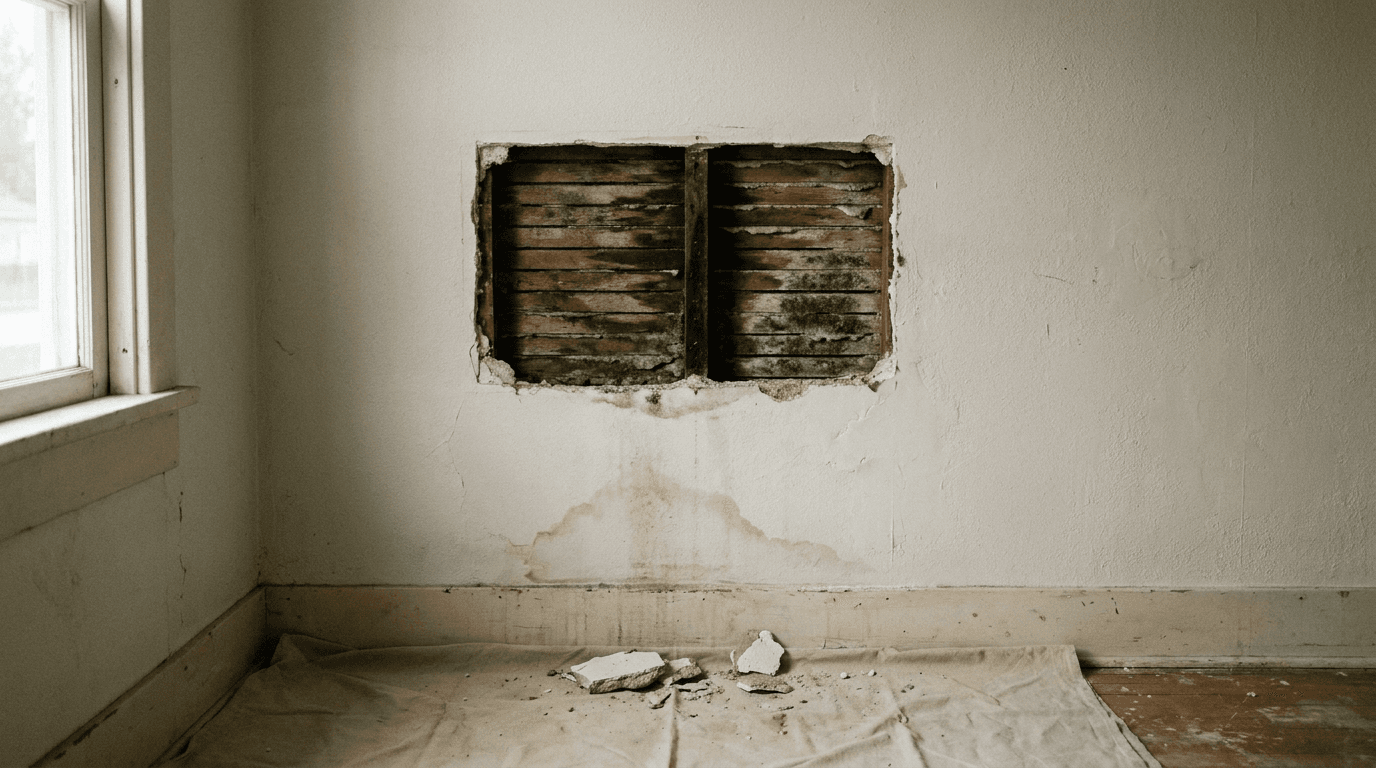
Does Homeowners Insurance Cover Mold Removal in Caldwell?
Homeowners insurance can pay for mold removal in a Caldwell home when the mold traces back to a covered water event, often only up to a limit. Here's how that limit often works, what an adjuster weighs, and what to tell your insurer.
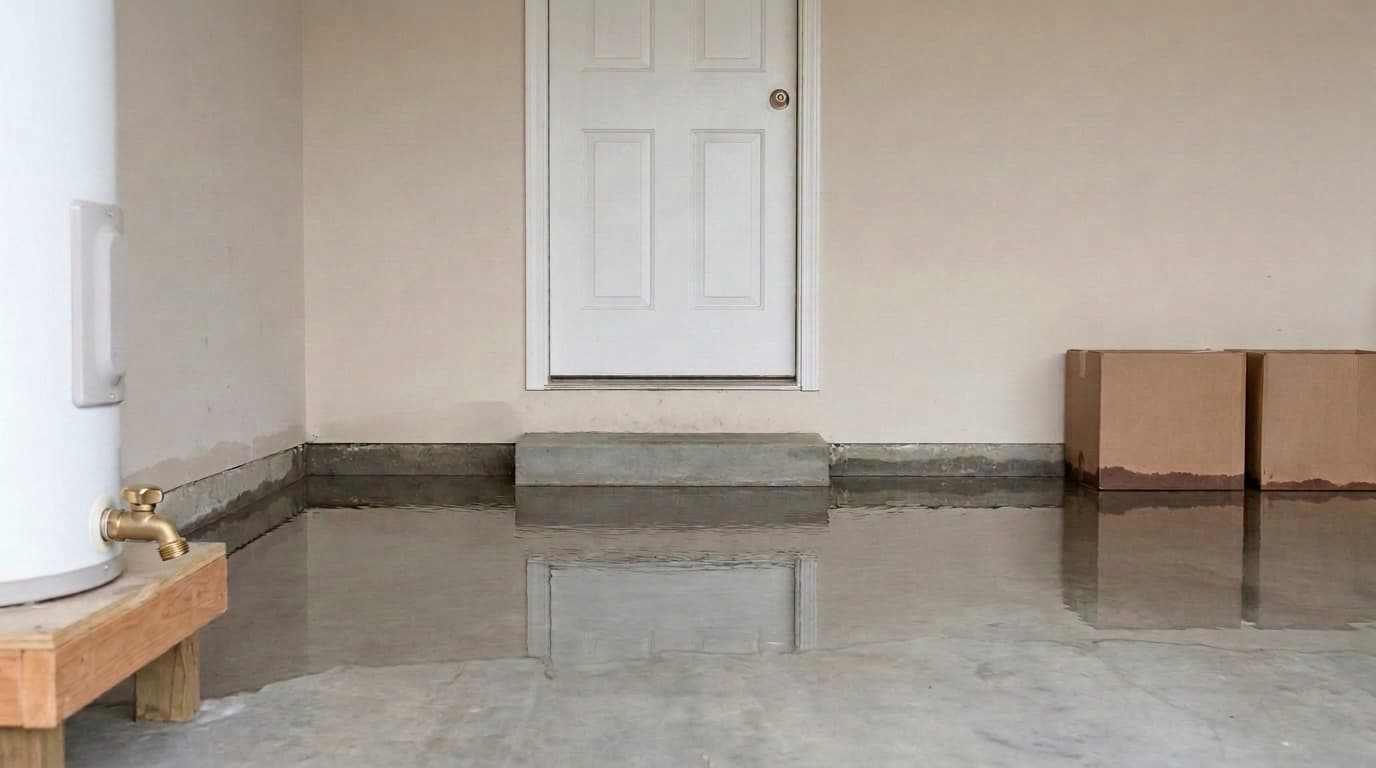
What Should You Do When a Star Garage Floods?
When a water heater or washer floods a Star garage, stay clear of anything electrical the water reached, stop it at the source, and move it away from the house wall. Here's what to check next, and which board Idaho's code calls for when that wall is repaired.
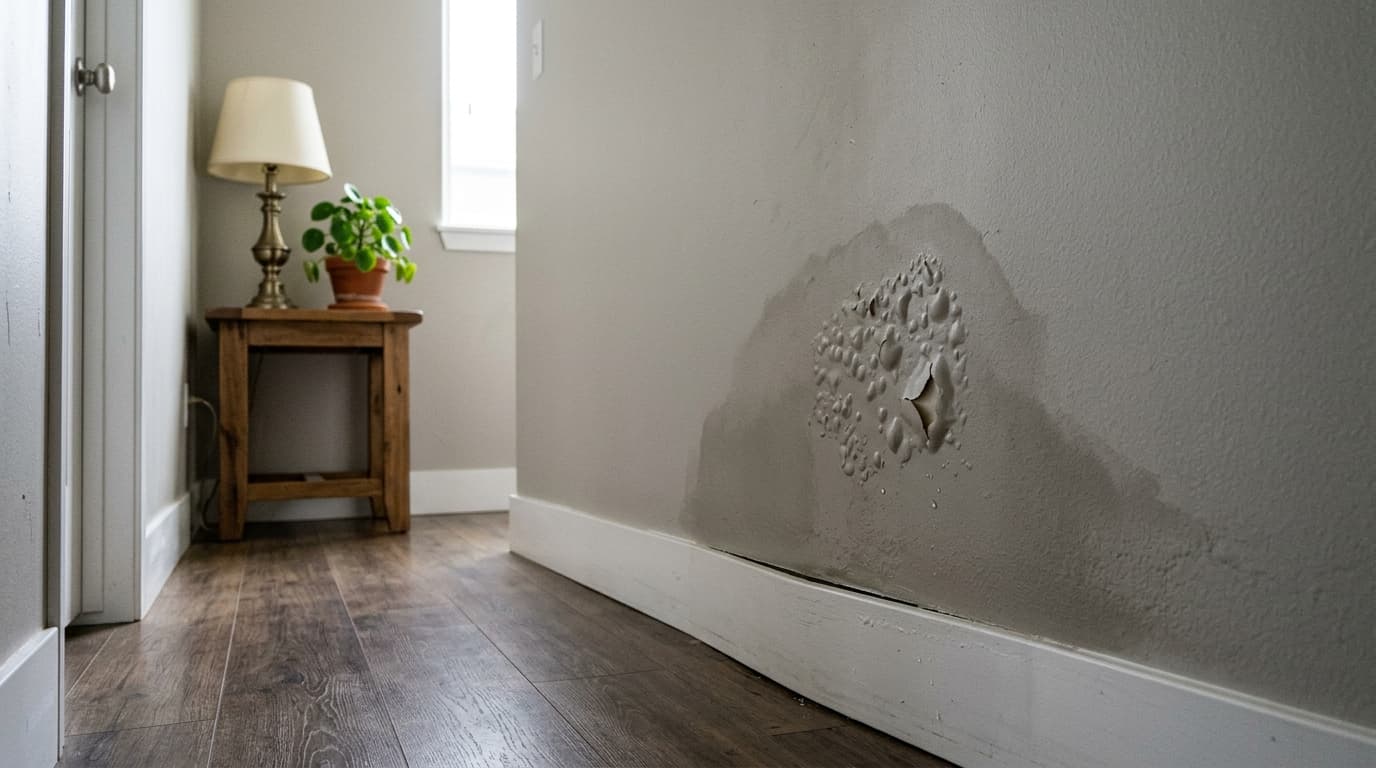
How Do You Find a Water Leak in a Middleton Wall?
A leak inside a Middleton wall can show up in the water bill, a faint running sound or a bubbling paint seam before any stain appears. Here's how to narrow it down, what the City's meter rules mean for you, and when opening the wall makes sense.