
How Much Does Mold Removal Cost in Boise? A Local Pricing Guide
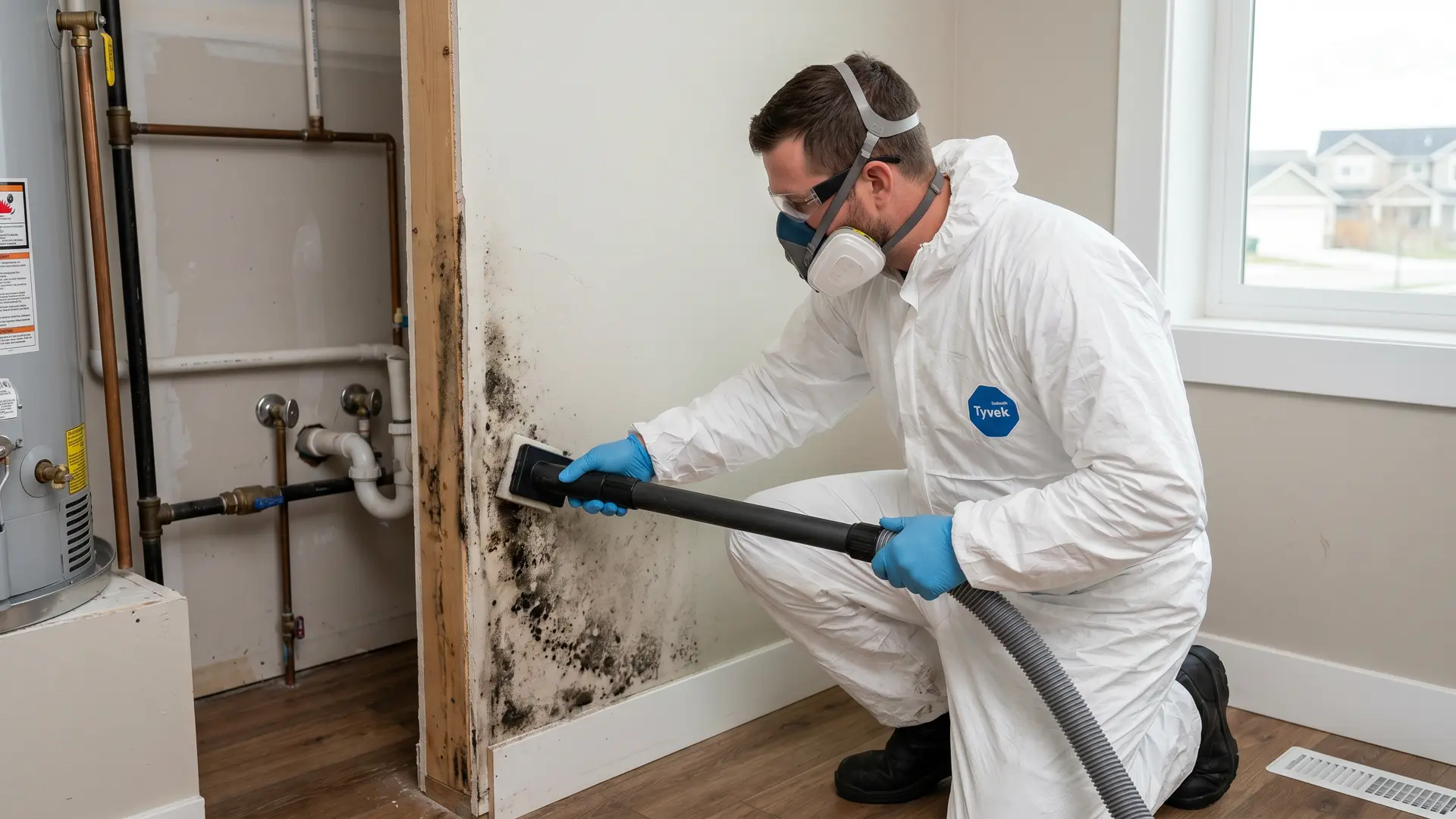
If you've just discovered mold in your Boise home — or received a remediation quote that made your stomach drop — you're probably realizing fast that national cost averages aren't much help. Mold removal costs in the Treasure Valley are shaped by local labor rates, Idaho's climate conditions, and the specific contractor market here, not what homeowners pay in Atlanta or Phoenix. This guide breaks down real local numbers, explains exactly what drives costs up or down, and gives you the tools to evaluate any quote with confidence.
Get Your Quote
Ready to handle this with a pro?
You're reading about What Does Mold Removal Actually Cost in Boise. Get a fast quote for water damage restoration service in Boise, ID from Apex Restoration.
What Does Mold Removal Actually Cost in Boise?
Boise-Specific Average Cost Ranges
Most Boise mold remediation projects fall somewhere between $500 and $6,000, with the majority of homeowners paying $1,500–$3,500 for a typical residential job. Small surface mold caught early — under 10 square feet — often runs just $300–$800 when addressed quickly.
On the higher end, large infestations involving structural materials, HVAC systems, or crawl spaces can exceed $10,000–$15,000 in the Treasure Valley market. Boise's rapidly growing housing market has also tightened contractor availability, which puts upward pressure on pricing compared to what national benchmarks suggest.
Cost Per Square Foot in the Treasure Valley
Boise-area contractors typically charge $10–$25 per square foot for standard remediation work. Heavily contaminated or structurally compromised areas can push that figure to $30–$50 per square foot once demolition and replacement are factored in.
One detail many homeowners miss: most contractors apply a minimum project fee of $500–$1,000 regardless of square footage. That makes professional remediation expensive for very small jobs — and is one reason DIY makes sense when the scope is genuinely limited.
How Mold Type and Severity Affect Your Total Bill
Surface mold on drywall or wood that hasn't penetrated the material is the least expensive to treat. Black mold (Stachybotrys chartarum), however, requires more aggressive containment protocols and typically costs 20–40% more than common mold species — a distinction worth understanding given what NIEHS research on mold health risks tells us about its potential respiratory effects.
Mold embedded in porous materials — insulation, subfloor, wood framing — almost always requires demolition and replacement, which drives costs significantly higher. Hidden mold discovered behind walls adds diagnostic and labor costs that are genuinely difficult to estimate upfront, so treat any quote for hidden mold as a range rather than a firm number.
How Does Location in Your Home Change the Price?
Attic and Roof Deck Mold Costs
Attic mold remediation in Boise typically runs $1,500–$4,500 depending on attic size and how much of the roof deck is affected. Idaho's freeze-thaw cycles and inadequate attic ventilation are leading causes — and if the underlying ventilation problem isn't corrected, the mold will return regardless of how thorough the remediation was.
Attic jobs often involve treating roof sheathing and rafters, plus removing contaminated insulation — each of those adds to the total. Be cautious of contractors who push expensive inspection packages before they've even scoped the actual problem.
Crawl Space, Basement, and Wall Mold
Crawl space remediation in Boise ranges from $1,500–$5,000+, and that often doesn't include encapsulation, which can add another $2,000–$5,000. Basement mold tied to water intrusion or flooding frequently overlaps with water damage restoration costs, and those scopes should be evaluated together rather than treated as separate problems.
Wall cavity mold requires opening drywall for access, and between demo, remediation, and drywall replacement, you can add $500–$2,000 per affected wall section. Bathroom tile grout mold is typically the least expensive fix at $200–$500, but it can hide a slow leak behind the wall — don't assume the visible mold is the whole story.
HVAC and Ductwork Mold Removal
Mold inside HVAC systems or ductwork requires specialized treatment and typically costs $500–$3,000 depending on system size and how far contamination has spread. Contaminated ducts can distribute spores throughout the entire home if they're not addressed before or alongside remediation in other areas.
HVAC mold is almost always a secondary symptom of a larger moisture problem. In our experience across the Treasure Valley, contaminated ducts are rarely the whole story. Always request a post-remediation air quality test after HVAC work — it's the only way to confirm the system is actually clear.
Should You DIY or Hire a Professional Mold Remediator in Boise?
The Clear DIY Threshold: When You Can Handle It Yourself
EPA guidance and Boise-area community consensus both point to the same threshold: DIY is appropriate for contained areas under 10 square feet on non-porous surfaces. Hydrogen peroxide (3%) or a diluted bleach solution handles surface mold on tile, sealed concrete, or painted walls effectively.
Exterior mold on Boise fences and wood siding is also a common low-cost DIY fix — power washing with a mold-inhibiting solution handles most cases without professional intervention. Wear an N95 respirator, gloves, and eye protection, seal off the work area, and bag all materials before disposal.
When Professional Remediation Is Non-Negotiable
Call a licensed contractor when mold covers more than 10 square feet, is located inside walls, HVAC, or a crawl space, or returns after a DIY attempt. Anyone with asthma, allergies, or immunocompromised health should not attempt DIY remediation — notably, Boise ranked among notable allergy markets in the AAFA 2026 Allergy Capitals Report, which underscores why indoor air quality matters here specifically.
Black mold or mold following a flooding event always warrants professional assessment, including water damage restoration in Boise when water intrusion is involved. Hidden or recurring mold almost always signals an unresolved moisture source that requires professional diagnosis — not just another round of surface treatment.
Demolition-Free Remediation: A Cost-Saving Middle Ground
Some Boise-area contractors offer EPA-approved demolition-free remediation using antimicrobial fogging, dry ice blasting, or soda blasting. These methods preserve materials and can reduce total project costs by 30–50% compared to traditional tear-out when mold hasn't penetrated structural materials.
That said, demolition-free methods aren't appropriate for every situation. Heavily saturated wood framing or insulation typically still requires physical removal. When our team scopes a project, we flag whether demolition-free options apply — and we'd encourage you to ask any contractor the same before accepting a scope that assumes full tear-out.
Get Your Quote
Ready to handle this with a pro?
You're reading about What Does the Mold Remediation Process Actually Include. Get a fast quote for water damage restoration service in Boise, ID from Apex Restoration.
What Does the Mold Remediation Process Actually Include?
Inspection, Testing, and Containment Setup
Professional remediation begins with a visual inspection and, when warranted, air or surface sampling. Mold testing in Boise typically costs $200–$600 separately from remediation — clarify upfront whether your quote includes testing or treats it as a separate line item.
Reputable contractors following IICRC Mold Remediation Specialist standards establish containment barriers — plastic sheeting and negative air pressure — before any work begins. This isn't upselling; it's a legitimate and necessary step that prevents cross-contamination to unaffected areas of the home.
What Equipment Is Actually Needed (And What Isn't)
Air scrubbers with HEPA filtration are essential during active remediation to capture airborne spores. Dehumidifiers are necessary during and after remediation to prevent regrowth — particularly important given Idaho's variable humidity conditions.
Air movers (high-velocity fans) help dry structural materials post-remediation and are appropriate in most jobs. Ask your contractor to explain the purpose of every piece of equipment being billed — a legitimate company will answer clearly and without hesitation. Vague explanations for equipment charges are a warning sign worth taking seriously.
Post-Remediation Testing and Clearance
Clearance testing — air sampling after remediation is complete — confirms that spore counts have returned to normal levels. This typically costs $150–$400 and is sometimes included in the project price; sometimes charged separately. Clarify this before signing anything.
A written clearance report is your documentation that work was completed successfully. It's essential for insurance claims, real estate transactions, and future home sales. After our technicians finish a job, we document post-remediation moisture readings as well, to confirm the original moisture source has been corrected.
How Do You Evaluate a Mold Remediation Quote in Boise Without Getting Overcharged?
Red Flags in Mold Remediation Bids
The Boise community consensus is clear: treat any single quote as a data point only and always get at least 3 bids. Vague line items like "remediation services" with no breakdown of square footage, materials, labor hours, or equipment are a red flag in any bid.
Contractors who pressure you to commit before you've had time to review or compare quotes should be approached with caution. Verify credentials: look for IICRC certification, Idaho contractor registration, and verifiable local reviews — not just testimonials on a contractor's own website.
What a Legitimate Quote Should Include
A solid quote will include an itemized breakdown: inspection, containment setup, labor (by hours or square footage), materials, equipment, disposal fees, and post-remediation testing. It should also define the scope clearly — exactly which areas are being treated, what materials are being removed, and what the moisture source correction plan looks like.
Reputable Boise contractors typically offer 1–5 year warranties against mold recurrence when the moisture source is corrected. The quote should also set clear expectations around timeline, whether you'll need to vacate, and the payment schedule.
Hidden and Add-On Costs to Budget For
Demolition disposal fees run $200–$800 depending on volume, and structural repairs after demo — drywall, insulation, flooring replacement — are almost never included in the base remediation quote. Budget for those separately.
If water damage repair or flood cleanup is also needed, those scopes should be quoted and coordinated together to avoid paying redundant mobilization fees for separate contractor visits.
What Are Your Rights and Options If You're a Renter, Buyer, or Seller?
Tenant Rights and Landlord Responsibilities Under Idaho Law
Idaho landlord-tenant law requires landlords to maintain habitable conditions. Mold resulting from structural defects or plumbing failures is generally a landlord responsibility — the Idaho Attorney General's Landlord and Tenant Manual outlines the specifics of those obligations clearly.
Boise renters should document all mold with dated photos, submit written notice to landlords, and retain copies of all correspondence. If a landlord arranges remediation, tenants have the right to request that a licensed and registered contractor perform the work. Escalation options include contacting Boise Code Enforcement or HUD's Office of Healthy Homes if landlords fail to act.
Mold Found During a Home Inspection: Buyer and Seller Strategy
Mold discovered during a real estate inspection is one of the most negotiable items in a Boise home sale — and one of the most commonly mishandled. Sellers should never accept a buyer's contractor estimate as the authoritative cost; get your own independent quote before agreeing to any price reduction or repair credit.
Buyers often find that a remediation credit in escrow is preferable to seller-arranged repairs, since it gives you control over contractor selection and scope. A licensed third-party inspector providing the scope removes the conflict of interest that exists when the remediating contractor also defines the problem.
New Construction Mold Risks in Boise's Growing Market
Boise's rapid development has created a specific and underappreciated risk: mold can form in new builds before insulation is installed, becoming permanently hidden once construction is complete. Framing lumber exposed to rain during construction is a common source, and moisture content should be verified before drywall closes everything in.
Buyers of new construction should request a third-party mold inspection before closing — especially if the home sat in the framing stage through a wet season. Builders rarely disclose this risk proactively, so address it explicitly in your inspection contingency.
Get Your Quote
Ready to handle this with a pro?
You're reading about Does Homeowners Insurance Cover Mold Removal in Boise. Get a fast quote for water damage restoration service in Boise, ID from Apex Restoration.
Does Homeowners Insurance Cover Mold Removal in Boise?
When Insurance Will (and Won't) Pay
Most Idaho homeowners insurance policies cover mold only when it results from a covered peril — a burst pipe, storm damage — not from long-term neglect or deferred maintenance. Sudden and accidental water events are typically covered; slow leaks discovered months later are typically excluded.
Check your policy's mold sublimit carefully. Many policies cap mold coverage at $5,000–$10,000, which may fall well short of full remediation costs for large infestations. Water damage restoration claims and mold claims are often linked, so file them together and document the timeline of discovery carefully.
How to Maximize Your Insurance Claim
Mitigate immediately — insurers can deny claims if you delayed action after discovering water damage and allowed mold to develop as a result. We always recommend using a contractor who provides detailed documentation: line-item invoices, before/after photos, moisture readings, and clearance reports all support a stronger claim.
Consider hiring a public adjuster if your insurer's initial payout seems low relative to your contractor's scope. Keep records of all communication with both your insurer and your contractor — disputes over mold claims are common, and documentation is your primary protection.
So What Should Boise Homeowners Do Next?
Most Boise mold remediation projects cost $1,500–$3,500 for typical residential jobs — budget higher for crawl spaces, attics, or HVAC involvement. Always get a minimum of 3 quotes from IICRC-certified contractors before committing, and factor in hidden costs: structural repairs, disposal, clearance testing, and moisture source correction can add $1,000–$5,000 beyond the base quote.
Small, contained surface mold under 10 square feet is a legitimate DIY project. Don't pay professional rates for a job that hydrogen peroxide and proper PPE can handle safely.
Start by identifying and correcting the moisture source — no remediation is permanent without that step. If mold followed water damage, coordinate water extraction and remediation together to avoid redundant costs and ensure complete drying before remediation begins. For renters, document everything in writing and know your rights under Idaho law before accepting any landlord-arranged repair.
For buyers and sellers, treat mold found during inspection as a negotiation point — not a deal-breaker — and get independent quotes before agreeing to any financial terms. And if mold covers a large area, involves a crawl space or HVAC system, or anyone in the home has respiratory conditions, don't delay. Mold grows fast in Idaho's variable humidity, and a small problem can become a structural issue within weeks. For mold connected to water damage across the Treasure Valley or broader Pacific Northwest — including water damage restoration in Coeur d'Alene, water damage restoration in Post Falls, water damage restoration in Spokane, or water damage restoration in Spokane Valley — coordinating mold remediation as part of a unified response is almost always the most cost-effective approach.
Related Posts
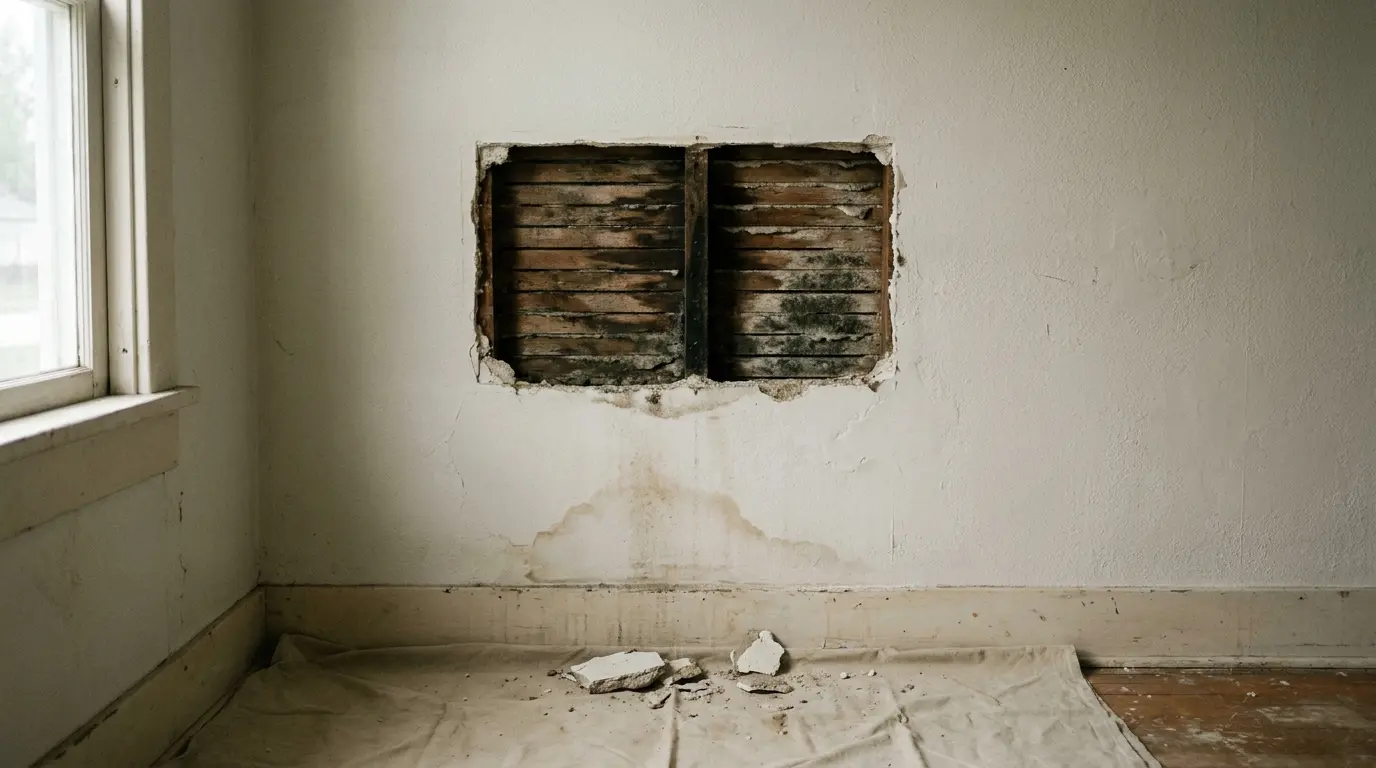
Does Homeowners Insurance Cover Mold Removal in Caldwell?
Homeowners insurance can pay for mold removal in a Caldwell home when the mold traces back to a covered water event, often only up to a limit. Here's how that limit often works, what an adjuster weighs, and what to tell your insurer.
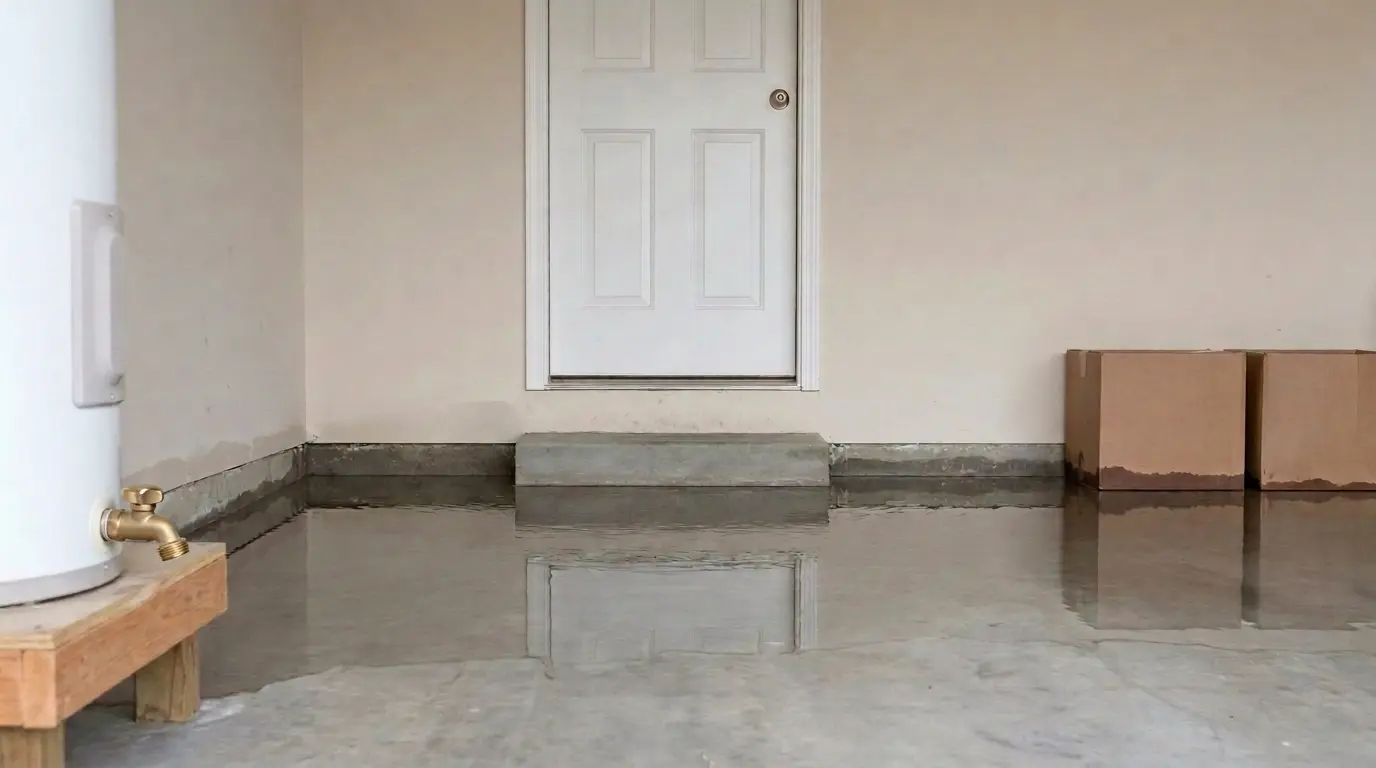
What Should You Do When a Star Garage Floods?
When a water heater or washer floods a Star garage, stay clear of anything electrical the water reached, stop it at the source, and move it away from the house wall. Here's what to check next, and which board Idaho's code calls for when that wall is repaired.
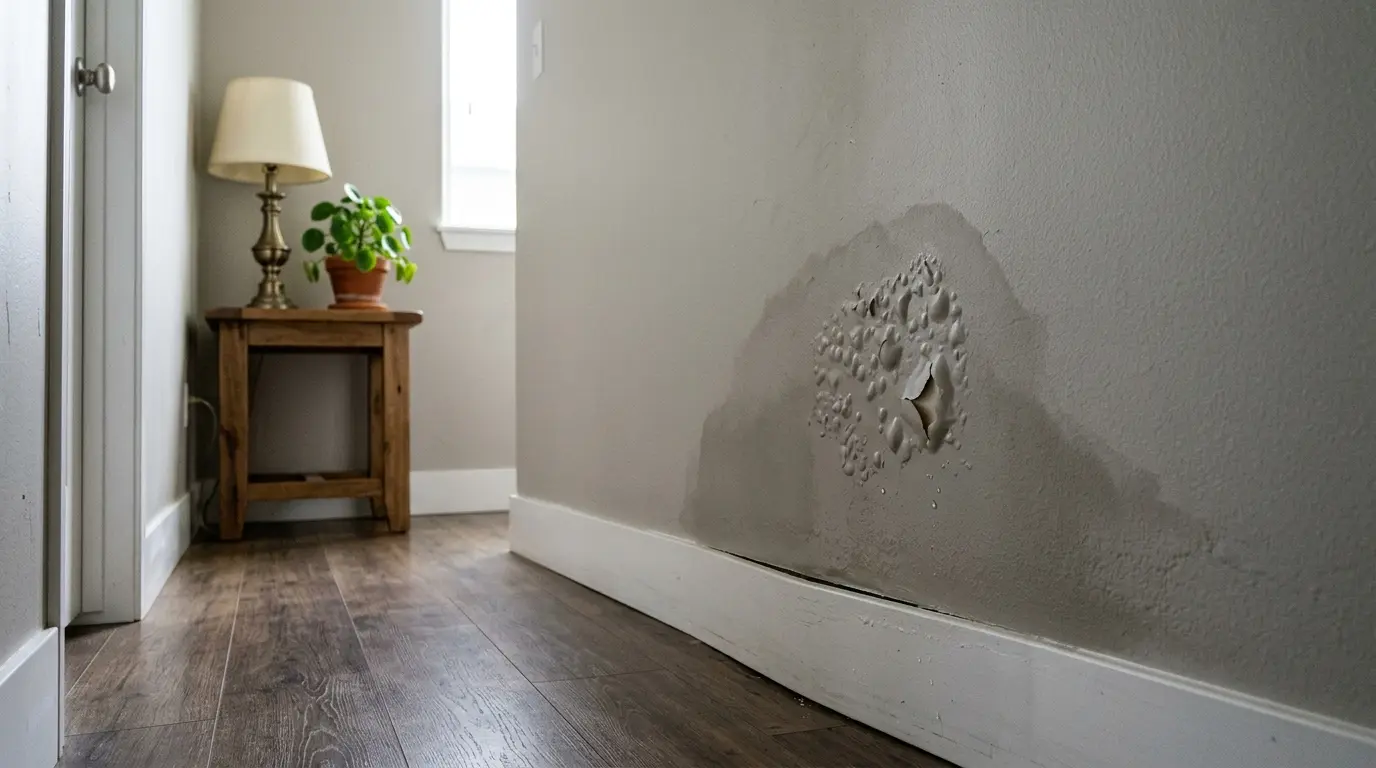
How Do You Find a Water Leak in a Middleton Wall?
A leak inside a Middleton wall can show up in the water bill, a faint running sound or a bubbling paint seam before any stain appears. Here's how to narrow it down, what the City's meter rules mean for you, and when opening the wall makes sense.