
Ceiling Water Damage in Boise: What to Do Right Now (And What's at Stake If You Wait)
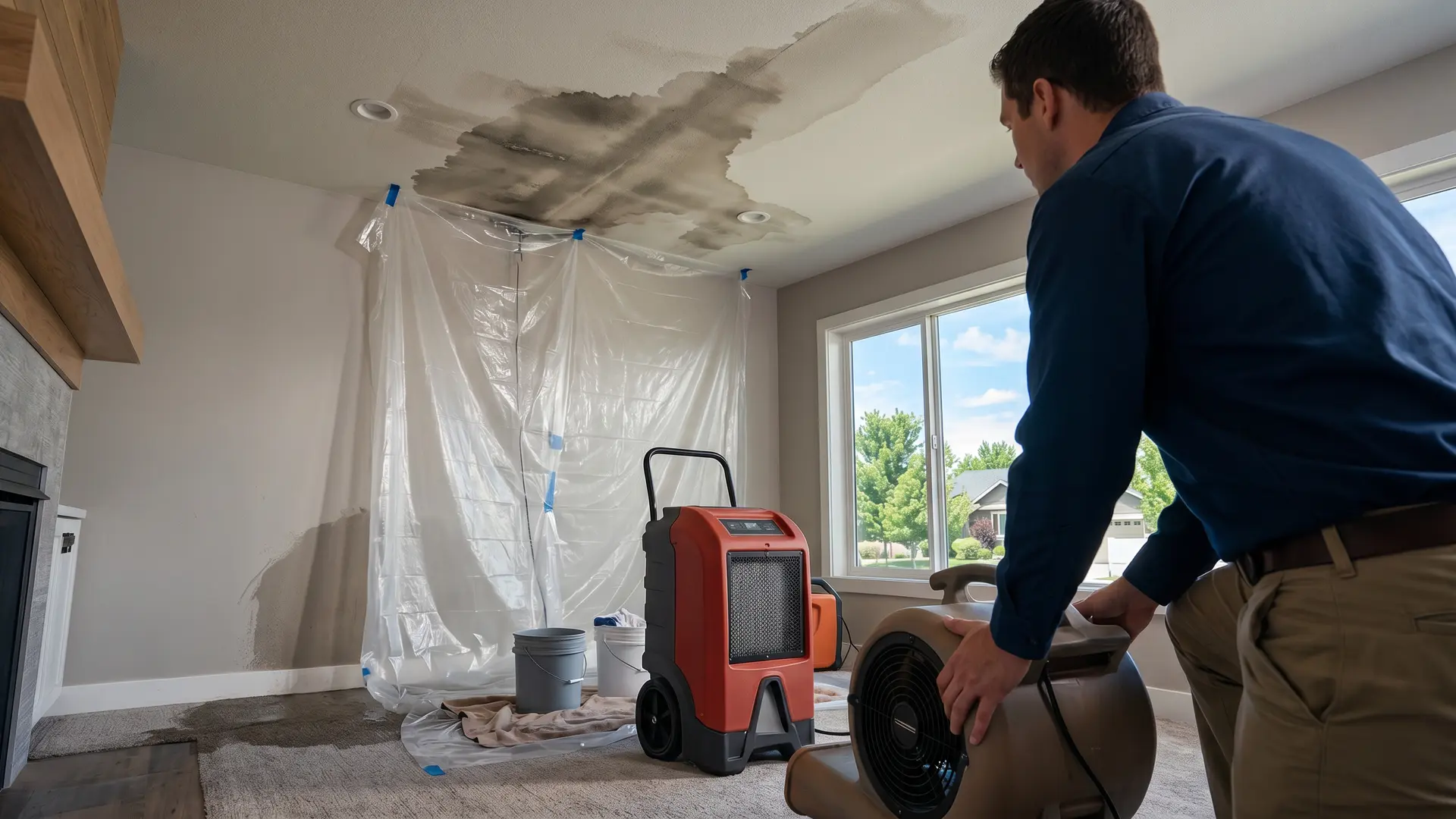
A water stain on your ceiling might look like a minor nuisance, but in Boise homes it can signal damage that has already spread far beyond what you can see — through insulation, into wall cavities, and across multiple rooms. Whether you're dealing with an active drip, a sagging section, or a mysterious brown ring that appeared overnight, the decisions you make in the next few hours matter enormously. This guide walks you through exactly what to do, what to watch out for, and how to protect yourself financially and physically — without the runaround.
Get Your Quote
Ready to handle this with a pro?
You're reading about What Are the Warning Signs of Ceiling Water Damage You Shouldn't Ignore. Get a fast quote for water damage restoration service in Boise, ID from Apex Restoration.
What Are the Warning Signs of Ceiling Water Damage You Shouldn't Ignore?
Visible Indicators on the Ceiling Surface
The most obvious signs are brown or yellow stains, rings, or discoloration on drywall or plaster. Sagging, bubbling, or soft spots mean water has already saturated the material above. Peeling paint near the affected area is another signal that moisture has been present longer than you might think.
Hidden Damage Beyond the Stain
A single upstairs bathroom leak can soak through to multiple bedrooms and the dining room ceiling below before a homeowner notices the full extent. Moisture detection equipment frequently reveals wet areas far beyond the visible stain — in adjacent rooms, inside walls, and above insulation layers. If you're noticing musty odors or unexplained humidity in nearby rooms, that's a sign the water has already traveled.
When the Damage Becomes a Safety Emergency
Water dripping through ceiling light fixtures or recessed lighting is an immediate electrical hazard — shut off the breaker to that area before doing anything else. A visibly sagging ceiling can collapse under the weight of trapped water, so keep people and pets out of the room entirely. For same-day emergency response, water damage restoration in Boise is available when the situation can't wait.
What Is Actually Causing Ceiling Water Damage in Boise Homes?
Roof Leaks and Boise's Freeze-Thaw Climate
Ice dams form along rooflines during Boise's winter freeze-thaw cycles, forcing meltwater under shingles and into ceiling assemblies. The National Weather Service forecast for Boise can help you track the seasonal weather patterns that put your roof at the greatest risk. For roof-related water intrusion, storm damage restoration addresses the full scope of what wind, rain, and ice can do to a home.
Upstairs Plumbing and HVAC Condensation
Older plumbing in Boise's established neighborhoods — particularly the North End and Bench areas — is prone to slow pinhole leaks that go undetected for weeks. Idaho court records, including a plumbing liability case documenting pipe failure disputes, illustrate how contested responsibility for hidden plumbing damage can become. Upstairs bathroom supply lines, wax ring failures at toilets, and overflowing tubs are also common culprits in two-story homes.
When Ceiling Damage Comes From a Neighboring Unit
In Boise apartments and condos, the source is often a plumbing failure or overflow from the unit directly above. Tenants should document the damage with photos and timestamps immediately and notify the landlord in writing. Regardless of who is ultimately responsible, water extraction needs to begin as soon as possible to limit how far the damage spreads.
Is Your Ceiling Water Damage Covered by Homeowners Insurance — and What Could Get Your Claim Denied?
The 'Sudden Burst vs. Continuous Leak' Rule Most Homeowners Don't Know About
Homeowners insurance typically covers sudden and accidental water damage — like a pipe that bursts — but excludes damage from slow, continuous leaks that developed over time. Insurers commonly deny ceiling water damage claims when adjusters determine the leak was gradual, a distinction that catches homeowners completely off guard. Document the damage immediately with photos and video, and if possible, preserve evidence of what caused the leak before any repairs begin.
How Filing Multiple Claims Can Backfire
Filing more than one water damage claim in a short period significantly raises the risk of premium increases or policy non-renewal in Idaho. A practical rule of thumb: only file a claim for losses that clearly exceed your deductible by a meaningful margin — a threshold often cited is $10,000 or more after deductible. Getting an independent restoration estimate before involving your insurer gives you a clearer picture of whether a claim makes sense.
Steps to Support a Valid Insurance Claim
Call your insurer to report the damage promptly — delays can be used to argue the damage worsened due to neglect. If you feel the insurance company's scope of damage is understated, request a licensed public adjuster or independent contractor estimate. Professional water damage restoration can provide thorough documentation that supports your claim from the start.
Get Your Quote
Ready to handle this with a pro?
You're reading about What Does Professional Ceiling Water Damage Restoration Actually Involve. Get a fast quote for water damage restoration service in Boise, ID from Apex Restoration.
What Does Professional Ceiling Water Damage Restoration Actually Involve?
Moisture Mapping and Identifying the True Scope of Damage
Our IICRC-certified technicians use thermal imaging cameras and moisture meters to map every wet area — not just the visible stain. This step frequently reveals damage in adjacent rooms, inside wall cavities, and above insulation that would otherwise be left wet and become a mold source. Skipping moisture mapping is one of the most common reasons mold problems surface months after a "completed" repair.
What Gets Removed During Mitigation and Why
Wet drywall is removed because it cannot dry effectively in place and becomes a mold substrate within 24–48 hours. Saturated insulation must come out as well — it retains moisture long after surrounding materials appear dry and loses its thermal value permanently. Our team will explain exactly what is being removed and why before work begins; that's the standard you should expect.
Same-Day Drying Equipment Setup and the Restoration Timeline
Our technicians deploy industrial air movers and dehumidifiers throughout the entire affected structure the same day — not just at the visible damage point. Drying typically takes 3–5 days depending on material depth, ambient humidity, and the volume of water involved. After materials are confirmed dry, the rebuild process — insulation replacement, new drywall, and a stain-blocking primer before repainting — is covered in detail through water damage repair.
What Happens If You Ignore Ceiling Water Damage or Only Fix It Cosmetically?
Mold Growth Begins Faster Than Most Homeowners Expect
Mold can begin colonizing wet drywall and insulation within 24–48 hours of water exposure under typical indoor conditions. Research on observational scores of dampness and mold links indoor moisture and mold to measurable respiratory health impacts — a risk that's easy to underestimate when the damage looks minor on the surface. Painting over a water stain or spraying mold-resistant coating on visible growth does not address the moisture or the mold colony behind the surface.
Hidden Structural Damage Revealed When Drywall Is Opened
Opening ceiling drywall to inspect water damage routinely reveals mold on framing, insulation, and inside wall cavities that was completely invisible from the surface. Structural wood that remains wet for extended periods is vulnerable to rot, which can compromise ceiling joist integrity. Insurance disputes frequently arise at this stage when adjusters argue the damage resulted from prolonged neglect — reinforcing why early documentation matters. Professional mold remediation addresses what's behind the surface, not just what you can see.
Long-Term Costs of Delayed Action
A cosmetic patch over unresolved moisture typically results in recurring stains, odors, and eventually a much larger remediation scope. What might cost $2,000–$5,000 to mitigate promptly can escalate to $15,000 or more when mold remediation, structural repair, and full ceiling replacement are required after months of hidden damage. A VA report on mold inspections submitted to Congress offers a useful reference point for understanding why institutions treat mold reporting and response timelines so seriously.
Are You a Boise Renter Dealing With Ceiling Water Damage? Here's What You Need to Know
Landlord Obligations and Tenant Rights in Idaho
Idaho landlords are legally required to maintain rental units in a habitable condition, which includes addressing water intrusion and mold resulting from structural failures. Document all damage with dated photos and written communication to your landlord — text messages and emails create a timestamped record that matters if the dispute escalates. If your landlord performs only superficial cleanup without addressing the water source, you have grounds to escalate — consult Idaho Legal Aid or a tenant rights attorney.
How to Escalate When a Landlord Won't Act
Request that any remediation work be performed by a licensed contractor, not maintenance staff using consumer-grade products. Contact the City of Boise Code Enforcement if the landlord fails to address habitability issues within a reasonable timeframe. Keeping a written record of every request and the landlord's response gives you a clear benchmark when evaluating whether that response is adequate.
Getting Independent Help as a Renter
You can contact a restoration company directly for a moisture assessment even as a renter — a professional inspection report strengthens your position with the landlord or in a legal dispute. Keep copies of all communications, photos, and any reports in a separate location outside the rental unit. A local moisture assessment in Boise can provide the independent documentation you need when dealing with an unresponsive landlord.
Get Your Quote
Ready to handle this with a pro?
You're reading about How Do You Choose a Trustworthy Water Damage Restoration Company in Boise. Get a fast quote for water damage restoration service in Boise, ID from Apex Restoration.
How Do You Choose a Trustworthy Water Damage Restoration Company in Boise?
Red Flags to Watch for When Getting Referrals
Be cautious of restoration companies referred directly by your plumber — referral relationships between trades can create financial incentives that don't always align with your best interest. Get at least one independent estimate before agreeing to any remediation scope, especially for losses that appear minor on the surface. Avoid companies that pressure you to sign authorization forms before completing a full moisture assessment.
What Credentials and Transparency Actually Look Like
IICRC certification is the industry standard for water damage technicians — ask to see it before work begins. A trustworthy company will explain exactly what materials are being removed, why, and what the drying and rebuild process involves. Pricing should be broken down separately: mitigation scope, mold remediation if applicable, and structural repair — not bundled into a single opaque number.
Realistic Cost Ranges and What Affects Pricing in Boise
Minor damage with limited drywall removal and drying: approximately $1,500–$4,000
Moderate damage involving multiple rooms, insulation replacement, and mold remediation: approximately $5,000–$12,000
Extensive damage with structural repair, full ceiling replacement, and mold remediation: $15,000 and above
For service-specific information on larger water events, flood cleanup covers what's involved when the volume of water goes beyond a contained ceiling leak.
What Should You Do Right Now?
Immediate Actions in the First 30 Minutes
If water is near any light fixture or electrical outlet, turn off the breaker to that area immediately — do not wait. Move furniture, valuables, and electronics out of the affected area and place buckets or towels to contain active dripping. Take photos and video of all visible damage before touching or cleaning anything — this documentation is critical for insurance.
Who to Call and In What Order
When you call us for same-day emergency response, mitigation within the first 24 hours dramatically limits mold risk and total damage scope. Notify your homeowners insurance company to report the damage, but do not authorize full repairs until you have an independent scope of work. If the source is a plumbing failure, call a licensed plumber to stop the water — but treat any restoration referral from that plumber as a starting point, not a final decision.
Boise and Treasure Valley Service Areas
If you're outside the city proper, the same urgency applies. A parent's reference guide on lead hazards in the home is a useful reminder that older Treasure Valley homes can contain multiple hazardous materials that become a concern when ceilings and walls are disturbed during water damage repairs. Homeowners in the surrounding communities can find local response through water damage restoration in Meridian, water damage restoration in Nampa, and water damage restoration in Garden City.
Key Takeaways
Ceiling water damage in Boise moves fast. What looks like a surface stain is often the visible edge of a much larger problem that has already spread through insulation, framing, and wall cavities. The window to act before mold becomes a serious issue is roughly 24–48 hours — and the cost difference between prompt mitigation and delayed action can be tens of thousands of dollars.
Document everything before you touch it. Understand your insurance policy's distinction between sudden damage and slow leaks. Ask for IICRC credentials and a transparent scope of work before signing anything. And if you're a renter, know that your landlord's legal obligation extends beyond painting over the problem.
Acting quickly and making informed choices — not panicking, not waiting — is what limits the damage. You now have the information to do exactly that.
Related Posts
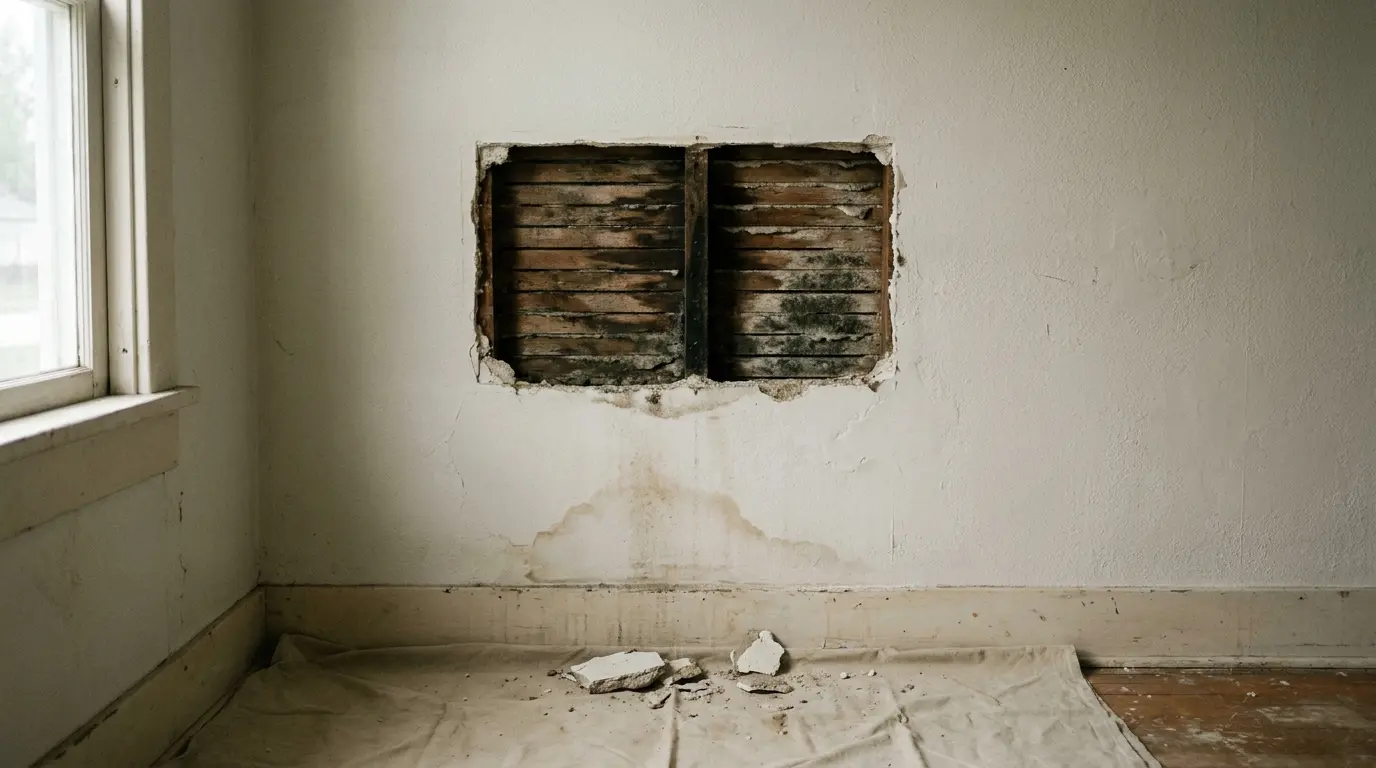
Does Homeowners Insurance Cover Mold Removal in Caldwell?
Homeowners insurance can pay for mold removal in a Caldwell home when the mold traces back to a covered water event, often only up to a limit. Here's how that limit often works, what an adjuster weighs, and what to tell your insurer.
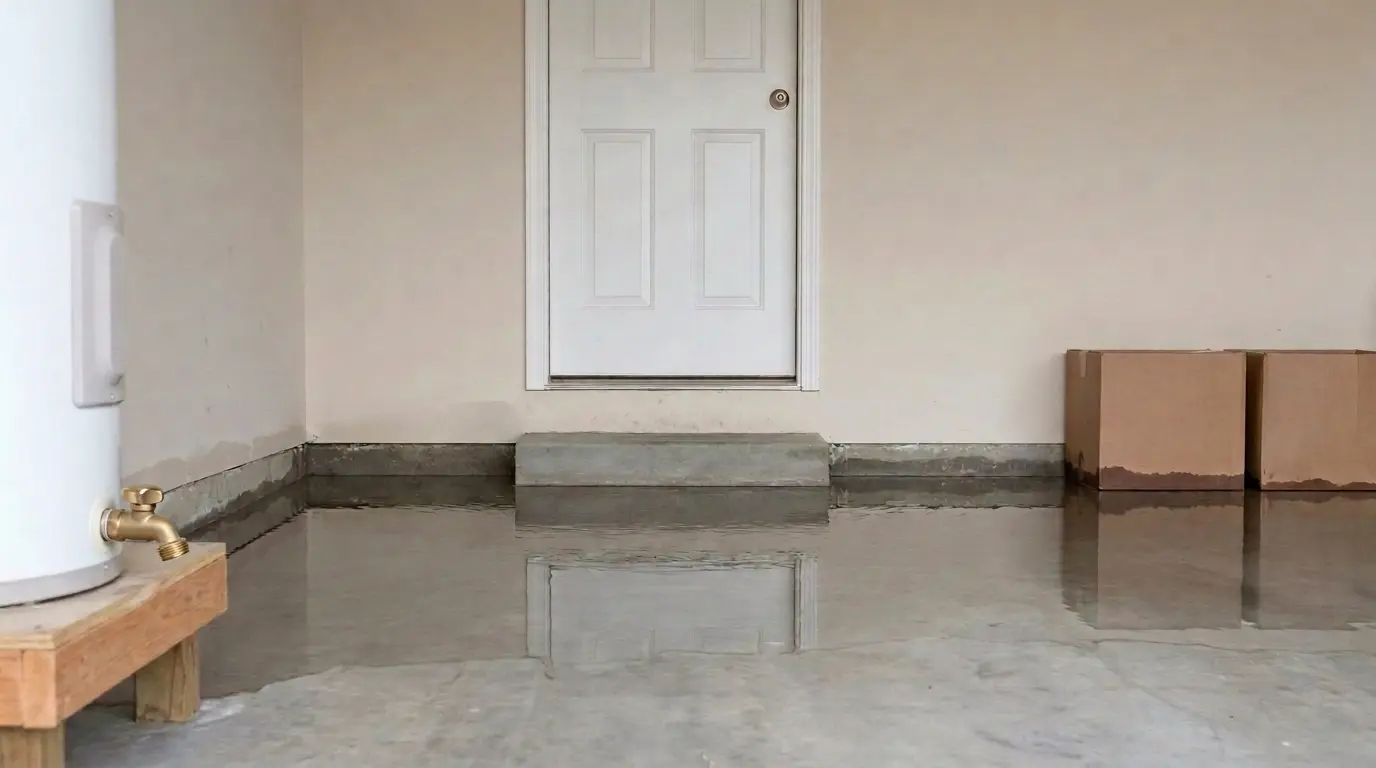
What Should You Do When a Star Garage Floods?
When a water heater or washer floods a Star garage, stay clear of anything electrical the water reached, stop it at the source, and move it away from the house wall. Here's what to check next, and which board Idaho's code calls for when that wall is repaired.
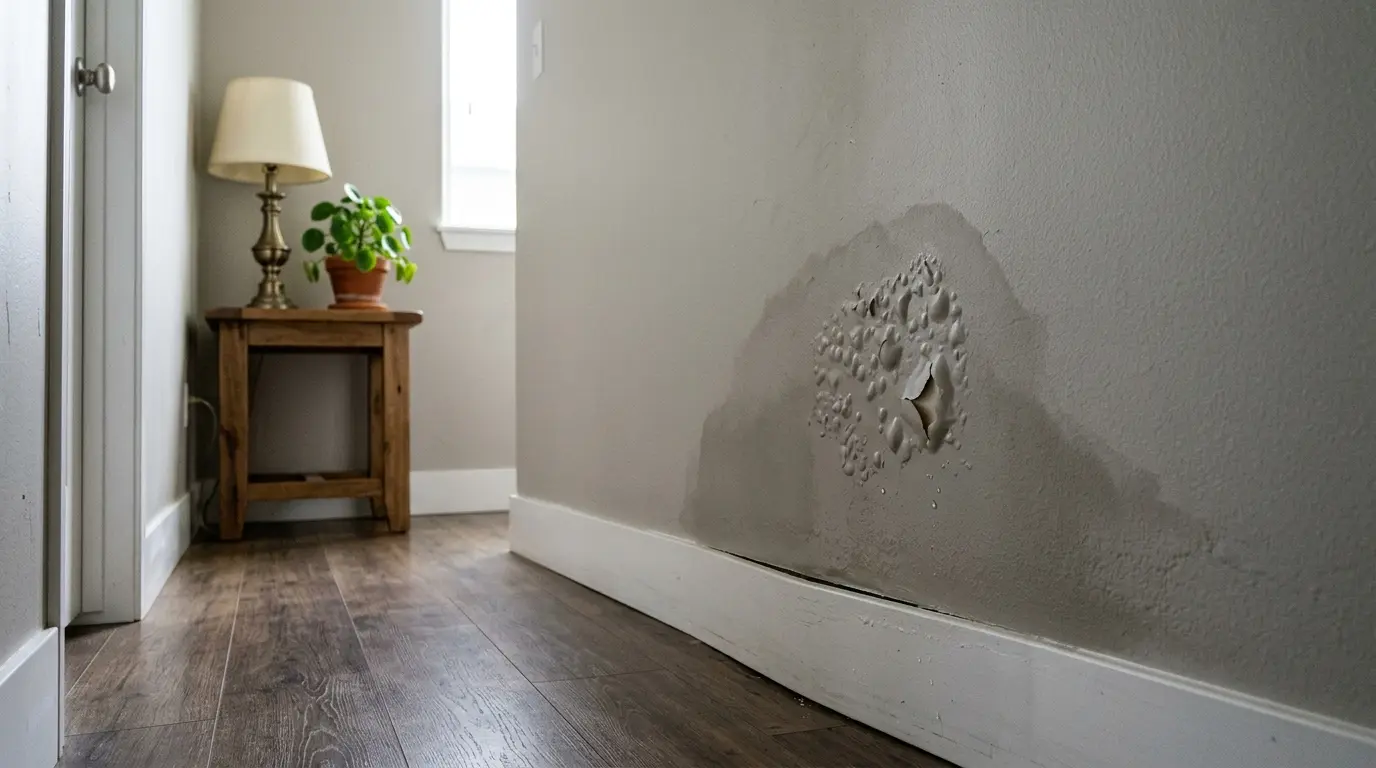
How Do You Find a Water Leak in a Middleton Wall?
A leak inside a Middleton wall can show up in the water bill, a faint running sound or a bubbling paint seam before any stain appears. Here's how to narrow it down, what the City's meter rules mean for you, and when opening the wall makes sense.