
Ice Dams and Frozen Pipes in Idaho: What Every Homeowner Needs to Know
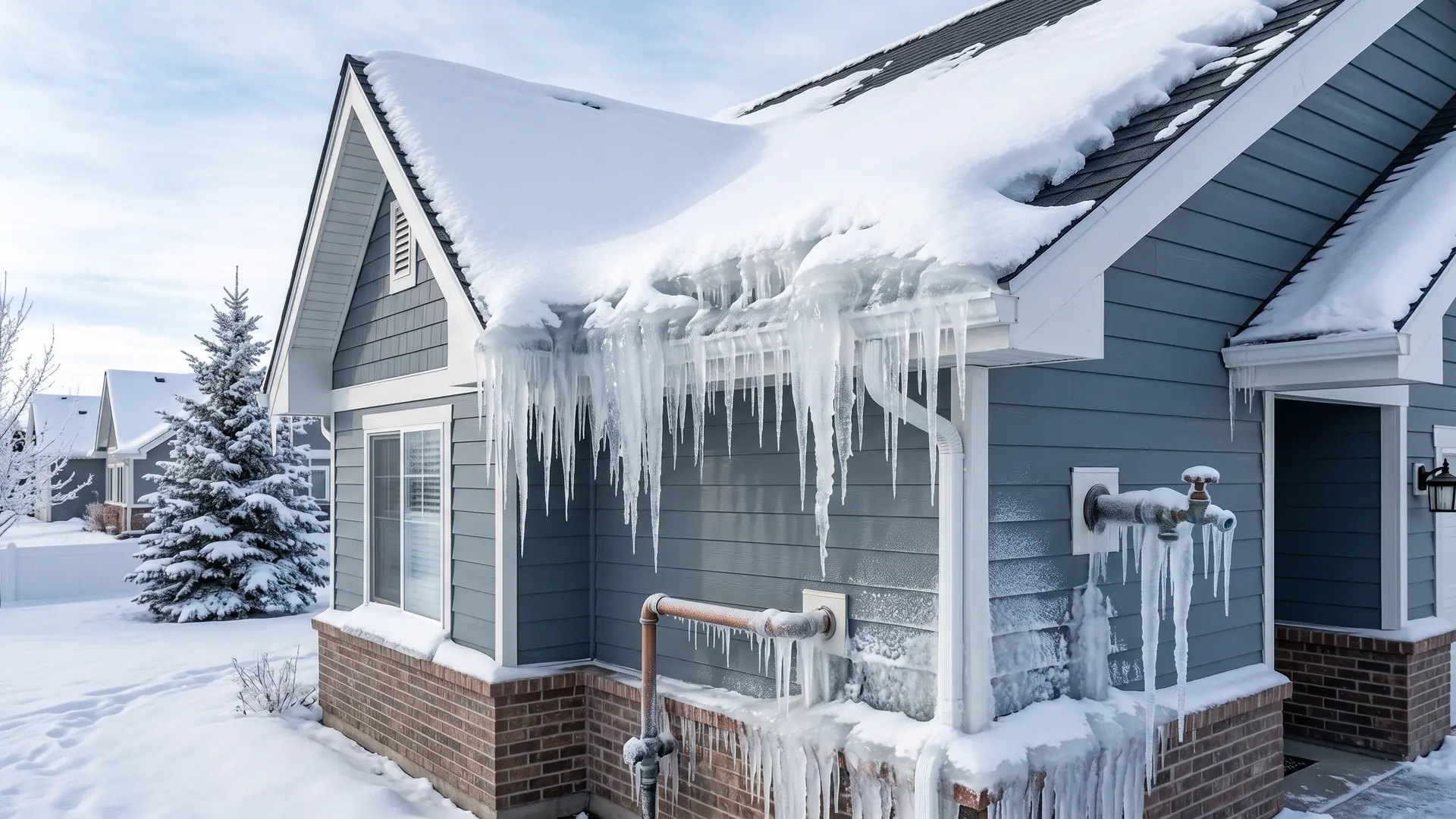
Idaho winters don't treat every homeowner the same. A Coeur d'Alene resident faces a fundamentally different freeze risk than someone in Boise or Idaho Falls, and most general advice online completely ignores that. Whether you're staring at a water stain spreading across your ceiling right now or trying to winterize before the first hard freeze, this guide gives you practical, Idaho-specific answers. We'll cover what causes ice dams and frozen pipes, how to respond when it's already happening, and—most importantly—the permanent fixes most homeowners never hear about.
Get Your Quote
Ready to handle this with a pro?
You're reading about What Are Ice Dams and Why Do They Keep Forming on Idaho Roofs. Get a fast quote for water damage restoration service in Boise, ID from Apex Restoration.
What Are Ice Dams and Why Do They Keep Forming on Idaho Roofs?
How the Freeze-Thaw Cycle Creates Ice Dams
Warm air escaping into your attic heats the roof deck and melts snow from underneath. That meltwater runs down to the cold eave, refreezes, and builds a barrier—an ice dam. Repeated freeze-thaw cycles, which are common across all Idaho climate zones, grow the dam larger with every storm cycle. If you notice roof areas that stay snow-free while the rest of the roof stays covered, that's warm air escaping through your attic telling you exactly where the problem starts.
Idaho's Regional Climate Differences and Your Risk Level
Idaho's freeze risk varies sharply by region. North Idaho—including the Coeur d'Alene and Post Falls areas we serve, along with panhandle communities like Sandpoint—sees heavy snowfall and prolonged freezing temperatures, making it the highest-risk zone for ice dam frequency. Eastern Washington, including the Spokane and Spokane Valley areas we serve, faces comparable heavy-snow winters. Colder, drier parts of the state—such as Eastern Idaho around Idaho Falls and Rexburg—illustrate how extreme cold snaps can spike frozen pipe risk dramatically. The Treasure Valley, including Boise and Nampa, is milder but dangerously vulnerable during sudden cold events that residents aren't mentally or physically prepared for. If you've recently relocated from a warmer state, that unfamiliarity with local freeze patterns compounds your risk significantly.
The Science Behind Why Pipes Burst
Water expands approximately 9% when it freezes, generating enough pressure to split copper and PVC pipe. Pipes in exterior walls are the highest-risk location—where the insulation sits relative to the pipe determines whether it freezes. Dripping faucets reduce pressure buildup, but they're a bandage, not a fix. Main water lines running from the street can also freeze during extreme cold events and require completely different intervention than interior pipes.
How Do You Know If You Have an Ice Dam—or Something Else?
Visual Signs That Point Specifically to Ice Damming
Look for thick ice buildup along roof eaves and in gutters, often with icicles hanging below. Interior ceiling or wall stains near exterior edges are a strong indicator—but note that the staining often appears far from the actual water entry point. Soffit damage, water behind siding, or physical separation of siding caused by water that froze after infiltrating the wall cavity are also telltale signs. Ice dam damage is frequently misdiagnosed as roof failure; the source is almost always the eave line.
How to Assess Snow Load Risk Before You Do Anything Else
Wet snow weighs significantly more than dry snow—density matters more than depth when evaluating structural risk. Contact a storm damage restoration professional if you hear cracking sounds, notice doors suddenly sticking, or see visible roof deflection, as these are signs of structural stress that must be addressed before any DIY removal. Regional snow and ice hazard assessments are used across Idaho to evaluate structural thresholds, which is useful context when judging how much load your roof can safely carry. Don't climb onto a loaded roof without first evaluating what's underneath you.
Diagnosing Frozen Pipe Location Room by Room
Exterior walls in bathrooms, kitchens, and laundry rooms are the primary risk zones. Crawl spaces, garages, and unheated utility rooms are close behind. If you have no water flow from one fixture while others work normally, that's a reliable clue for localizing the freeze. Rural Idaho homeowners on septic systems should also check for frozen septic lines, which can back up into the home.
What Should You Do Right Now If an Ice Dam Is Actively Leaking?
Immediate Triage Steps to Limit Interior Water Damage
Place buckets and lay down plastic sheeting immediately—water has already traveled farther than the visible stain. Do not chip or hack at the ice dam; that damages shingles and creates serious injury risk. Steam removal is the safest emergency method because it melts ice without damaging roofing materials. If water has reached walls, insulation, or flooring, contact a water damage restoration professional right away.
Creating a Temporary Channel Through the Dam
Fill a nylon stocking with calcium chloride ice melt and lay it perpendicular to the dam—this creates a drainage channel without damaging your roof. Do not use rock salt. It damages shingles, kills vegetation, and corrodes metal components. This is a temporary measure only; it does nothing about the attic heat loss driving the problem. Document all damage with photos before any cleanup for insurance purposes.
When to Call a Professional vs. Handle It Yourself
DIY is reasonable for small dams on accessible single-story roofs with no active leaking. Professional steam removal is warranted for active leaks, steep pitches, two-story homes, or metal roofs. After the dam is cleared, water extraction and water damage repair services address whatever got into your walls and flooring during the event—don't skip that step.
Get Your Quote
Ready to handle this with a pro?
You're reading about How Do You Actually Prevent Ice Dams and Frozen Pipes for Good. Get a fast quote for water damage restoration service in Boise, ID from Apex Restoration.
How Do You Actually Prevent Ice Dams and Frozen Pipes for Good?
Attic Air Sealing: The Fix Most Idaho Homeowners Miss
Insulation alone does not stop ice dams. Hot air bypassing insulation through gaps is the primary driver, and adding more insulation over unsealed gaps has limited effect. Common leakage points include recessed lights, plumbing penetrations, attic hatches, and HVAC chases. Air sealing must come first—or at minimum alongside insulation work—to deliver lasting results.
Ice and Water Shield, Heat Cables, and Roof-Level Defenses
Ice and water shield underlayment installed during re-roofing provides a permanent watertight backup layer at the eave zone. Heat cables are an effective prevention tool, but metal roofs require specific installation approaches combined with snow retention systems—heat cable alone on a metal roof can create dangerous sliding snow conditions. Repeated freeze-thaw cycles also degrade drainage systems over time, which is why underground downspouts must be properly winterized before the first hard freeze. These are complementary layers of defense, not standalone solutions.
Frozen Pipe Prevention That Goes Beyond Dripping Faucets
Know where your main water shutoff is before winter arrives—this sounds basic, but it's rarely explained to new homeowners and it's the most important 30 seconds of preparation you can do. Insulate pipes in exterior walls, crawl spaces, and unheated garages, and make sure insulation sits between the pipe and the exterior wall, not between the pipe and your living space. Irrigation systems must be professionally blown out before the first freeze; this is standard Idaho winterization. North Idaho and Eastern Idaho homeowners should also have a generator backup plan, because power outages during storms eliminate heating and dramatically accelerate both pipe freezing and ice dam risk.
What Does Home Insurance Actually Cover?
What Standard Homeowner Policies Typically Include and Exclude
Sudden and accidental water damage from a burst pipe is generally covered; gradual leaks or neglect are typically excluded. Ice dam water intrusion coverage depends on your specific policy and whether you took reasonable preventive steps. Reviewing your policy and your insurer's winter-damage guidance gives you a useful baseline for understanding what insurers expect from homeowners before a claim. Documenting pre-existing conditions and maintenance records strengthens any claim significantly.
How to Document Damage and File a Claim Effectively
Photograph all damage before any cleanup, removal, or repair work begins—every square foot. Keep receipts for emergency mitigation costs, since many policies reimburse reasonable emergency measures. Request a written scope of damage from any restoration contractor before the insurance adjuster visits. If water went undetected for more than 24–48 hours, mold remediation is often a covered follow-on service that needs to be part of the claim from the start.
Proactive Steps That Protect Both Your Home and Your Coverage
Most Idaho homeowner policies require maintaining adequate heat—typically above 55°F—in all areas of the home during winter. Failing to winterize a vacant home is one of the most common reasons claims are denied outright. When water accumulates in significant volume indoors, flood cleanup services handle the scope and contamination that standard cleanup can't address. Don't assume your policy covers what you haven't read.
Are You Ready for Idaho Winter—or One Cold Snap Away From a Crisis?
A Quick Self-Assessment Checklist
Have you located your main water shutoff and confirmed it operates correctly?
Is your attic properly air-sealed—not just insulated—and do you know the difference?
Are your underground downspouts winterized and your irrigation system blown out?
Do you have a power outage plan that keeps your home above freezing during a multi-day North Idaho storm?
The Difference Between Reacting and Being Prepared
Homeowners who understand their home's specific vulnerabilities by region and construction type avoid the most costly emergencies. The most expensive repairs—burst pipes, structural water damage, mold—are almost always preventable with early action. In our experience, the combination of proper air sealing, insulation, and roof-level protection is what separates homes that survive hard winters from those that don't. New Idaho residents especially benefit from a one-time professional assessment before their first serious winter.
For North Idaho homeowners facing the state's most demanding freeze conditions, water damage restoration in Coeur d'Alene and water damage restoration in Post Falls are available when conditions turn severe. In the Treasure Valley, water damage restoration in Boise and water damage restoration in Nampa are available when a sudden cold event catches homeowners off guard.
Get Your Quote
Ready to handle this with a pro?
You're reading about Key Takeaways for Idaho Homeowners. Get a fast quote for water damage restoration service in Boise, ID from Apex Restoration.
Key Takeaways for Idaho Homeowners
Idaho's regional climate differences mean there's no one-size-fits-all approach to winter home protection. Ice dams are an attic problem first and a roof problem second—air sealing is the permanent fix. Frozen pipes are a placement problem, not just a temperature problem. When something goes wrong, act fast, document everything, and don't skip professional assessment for anything that touched your walls or flooring. The homeowners who come out of Idaho winters without major damage aren't lucky—they're prepared.
Related Posts
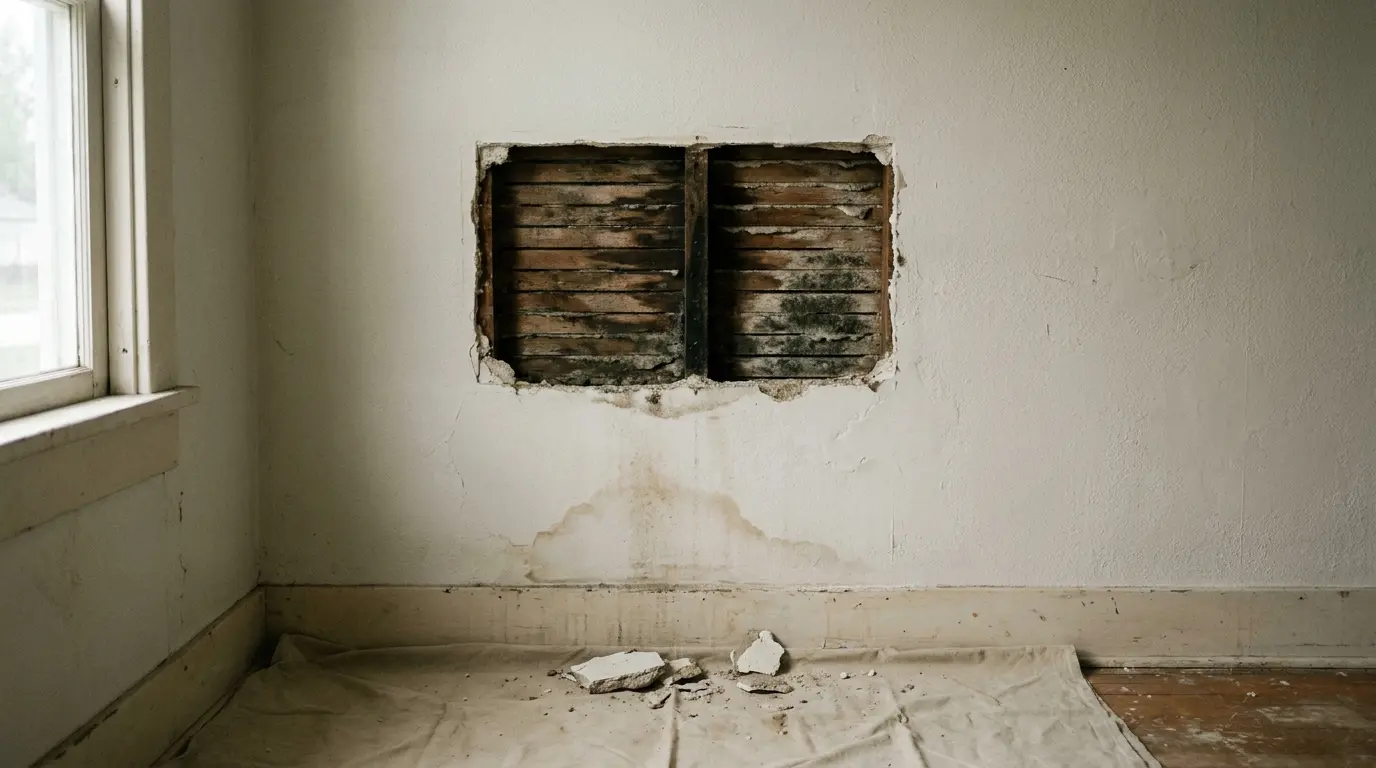
Does Homeowners Insurance Cover Mold Removal in Caldwell?
Homeowners insurance can pay for mold removal in a Caldwell home when the mold traces back to a covered water event, often only up to a limit. Here's how that limit often works, what an adjuster weighs, and what to tell your insurer.
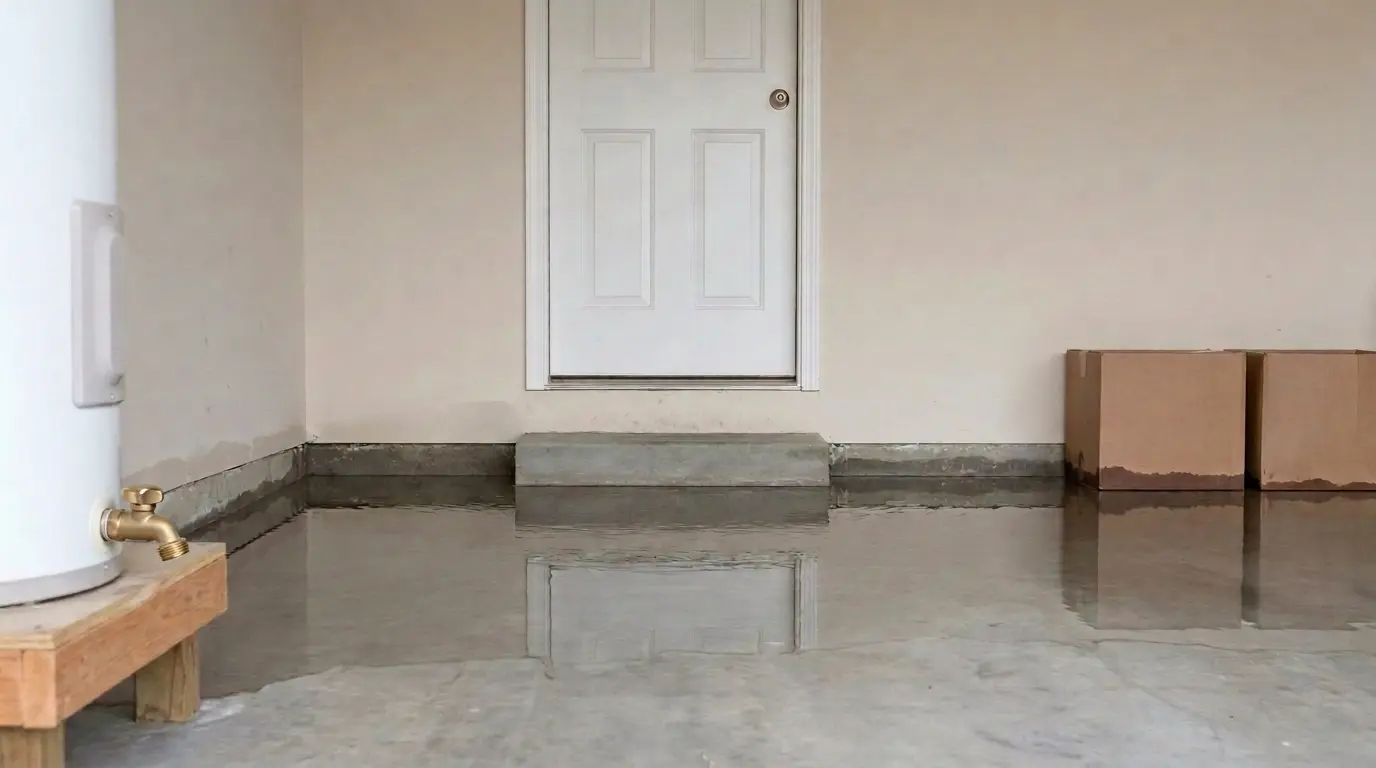
What Should You Do When a Star Garage Floods?
When a water heater or washer floods a Star garage, stay clear of anything electrical the water reached, stop it at the source, and move it away from the house wall. Here's what to check next, and which board Idaho's code calls for when that wall is repaired.
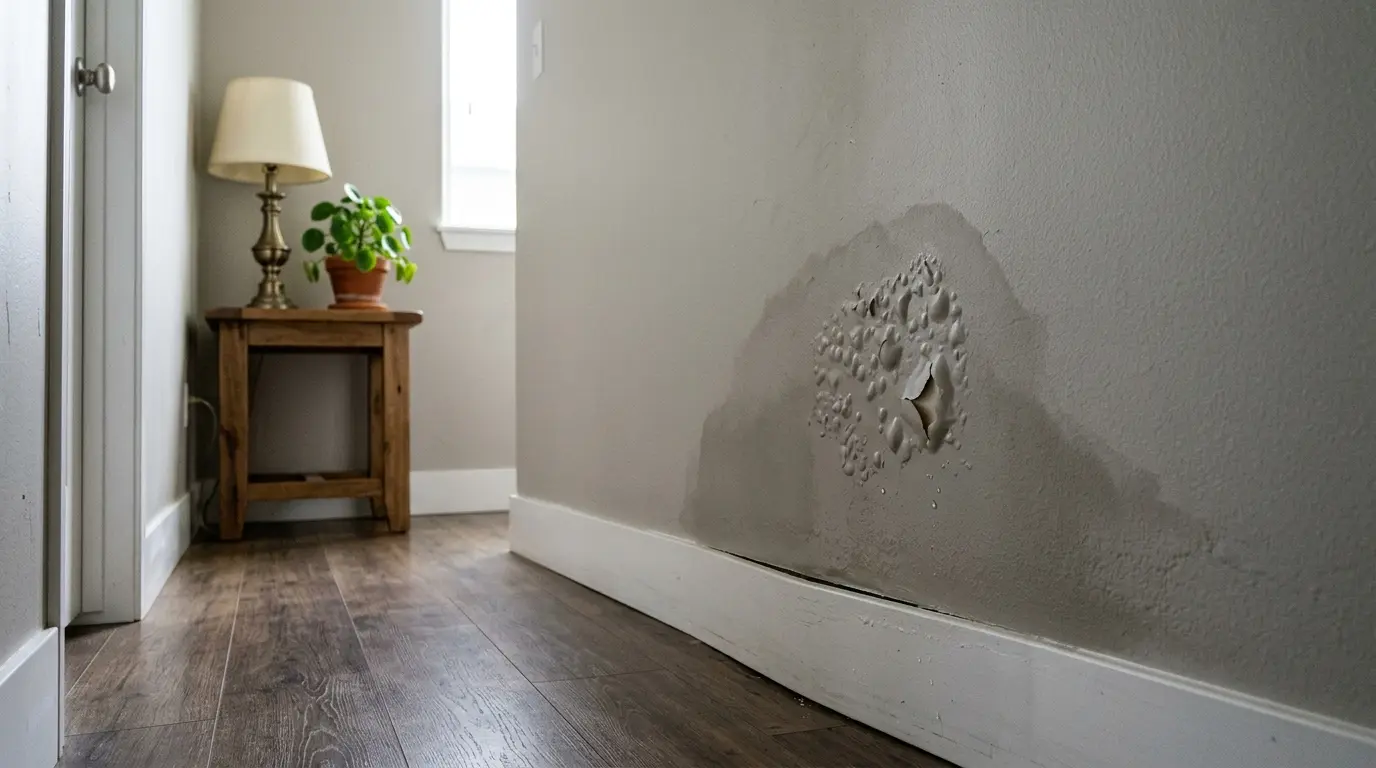
How Do You Find a Water Leak in a Middleton Wall?
A leak inside a Middleton wall can show up in the water bill, a faint running sound or a bubbling paint seam before any stain appears. Here's how to narrow it down, what the City's meter rules mean for you, and when opening the wall makes sense.