Sewage Backup Cleanup in Boise: What to Do, Who to Call, and How to Protect Yourself
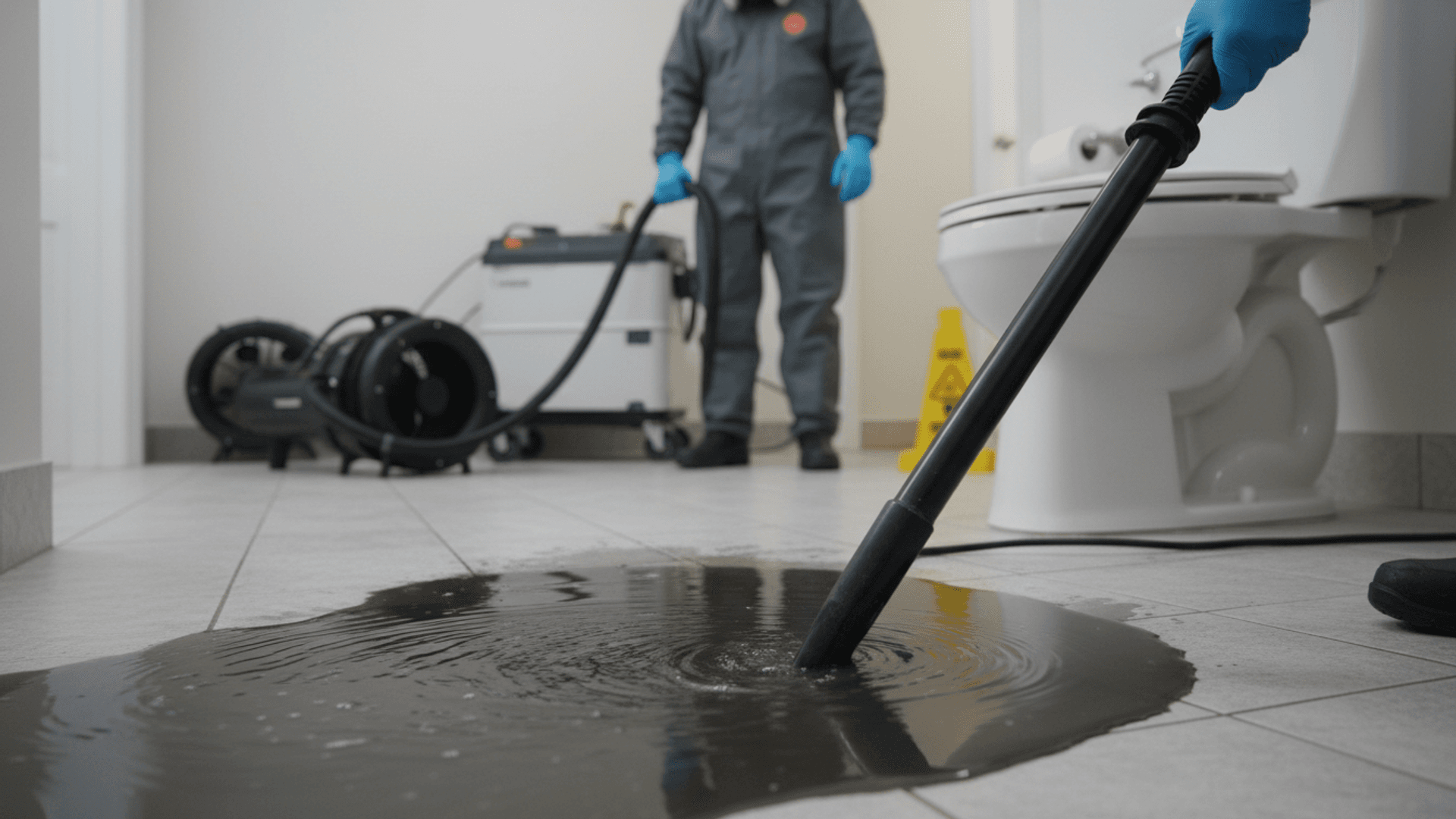
A sewage backup is one of the most stressful and potentially dangerous situations a Boise homeowner can face — and the decisions you make in the first 30 minutes matter more than most people realize. Whether you're dealing with raw sewage in your basement right now or trying to understand why your drains keep backing up, this guide gives you honest, locally relevant answers without the upsell. From immediate safety steps to navigating Idaho insurance claims, here's everything you need to know.
Get Your Quote
Ready to handle this with a pro?
You're reading about What to Do in the First 30 Minutes. Get a fast quote for water damage restoration service in Boise, ID from Apex Restoration.
What to Do in the First 30 Minutes
Stop all water use immediately. Flushing toilets, running sinks, or using appliances will push more sewage into the affected area. Locate your main shutoff valve if water is actively flowing, and do not attempt to use a plunger on a main line backup — this can force contaminated water further into your home.
Evacuate children and pets from any area where sewage water is present. If sewage water is near your electrical panel or outlets, turn off power to that area at the breaker before entering — standing water and electricity are a deadly combination. Put on rubber gloves, waterproof boots, and a mask before any contact with the affected area.
Document everything before cleanup begins. Take photos and video of all affected areas, damaged belongings, and visible sewage before anything is moved. Note the time the backup was discovered and any recent plumbing events that preceded it — this documentation is critical for your insurance claim. The CDC's guidance on safely reentering a flooded home is a useful reference for the steps health authorities recommend homeowners take immediately after a sewage event.
The Real Health Hazards of Sewage Backup
Sewage backup water is classified as Category 3 "blackwater" — the most dangerous type, containing raw human waste, bacteria, viruses, and parasites. Even greywater from a sink or washing machine can degrade to blackwater status within 24–48 hours. The IICRC, the non-profit organization that sets industry standards for inspection, cleaning, and restoration, defines specific protocols for each contamination category that legitimate cleanup companies are required to follow.
Short-term exposure can cause gastroenteritis, hepatitis A, E. coli infection, and respiratory issues from airborne pathogens. Porous materials like drywall, carpet, and insulation that absorb sewage cannot be safely cleaned — they must be removed and disposed of properly. Research on protecting water quality from sewage contamination, published through the University of Georgia, outlines how quickly biological contaminants can spread when sewage is not properly contained — underscoring why mold remediation becomes a serious secondary threat if sewage-affected areas aren't dried and treated within 24–48 hours.
Why Sewage Backups Happen in Boise — and Whether Yours Will Recur
Many of Boise's older neighborhoods — particularly the North End and East End — have aging cast iron sewer pipes prone to cracking, corrosion, and collapse. Seasonal snowmelt and heavy spring rainfall in the Treasure Valley can also overwhelm both city sewer infrastructure and private septic systems, causing backups unrelated to pipe condition. The EPA's guidance on sanitary sewer overflows notes that tree roots entering through defects or openings in a sewer line are a leading cause of blockages and failures — a frequent problem in established neighborhoods where mature trees have had decades to grow into sewer lines.
Not all Boise-area properties connect to the city sewer system. Properties in outlying parts of the Treasure Valley — including some areas of Nampa, Eagle, and Garden City — may rely on private septic systems, which present differently and require a different remediation approach. Contact Ada County Highway District or your local municipality to confirm your system type if you're unsure.
If you've had your line cleared more than once in recent years, repeated snaking or jetting is treating the symptom, not the cause. Insist on a camera scope inspection to identify root causes like pipe sagging, partial collapse, or persistent root intrusion. Also contact the City of Boise utilities department to rule out whether the blockage originates in the city's main line — if it does, remediation costs may be their responsibility.
Get Your Quote
Ready to handle this with a pro?
You're reading about How to Find a Trustworthy Cleanup Company Without Getting Overcharged. Get a fast quote for water damage restoration service in Boise, ID from Apex Restoration.
How to Find a Trustworthy Cleanup Company Without Getting Overcharged
Be cautious of any company that pressures you to sign an Assignment of Benefits (AOB) form immediately. This hands control of your insurance claim to the restoration company and removes your ability to negotiate. National chains have received significant negative feedback online for upselling and poor follow-through — local and regional companies with verifiable Boise-area reviews are generally a safer choice.
Get at least two estimates before authorizing full remediation work. Request an itemized written estimate that separates water extraction, structural drying, demolition, and disposal — vague lump-sum quotes make it harder to identify inflated line items. The Idaho Restoration Directory, which lists water, fire, and mold restoration companies in the state, is a useful starting point for finding verified local providers.
Ask every company the same key questions before hiring: Do you carry general liability insurance and workers' compensation in Idaho? Will you provide a written scope of work and a camera scope report? Checking a company's BBB profile for Boise water damage restoration is one way to review documented complaints and how they were resolved before you commit to hiring.
Does Homeowner's Insurance Cover Sewage Backup in Idaho?
Most standard Idaho homeowner's insurance policies do not cover sewage backup damage by default — it's typically listed as an exclusion under the water damage section. Flood damage from external sources may be covered under a separate FEMA flood insurance policy, but internal sewage backups require a specific sewer backup endorsement or rider. Call your agent and ask directly: "Do I have sewer backup coverage, and what is my per-occurrence limit?"
Sewer backup riders are relatively inexpensive — typically $40–$100 per year — but coverage limits often cap at $5,000–$25,000. Idaho DEQ's wastewater treatment guidance and FEMA both acknowledge that sewer system failures are a recurring risk in aging municipal infrastructure, which can support your case when negotiating coverage limits.
Report the incident to your insurer before authorizing major demolition work — insurers may require an adjuster visit first. If your claim is denied, you have the right to hire a public adjuster to advocate on your behalf, which is often worth pursuing for claims over $10,000.
What Boise Home Buyers Need to Know
A standard home inspection does not include a sewer scope. Collapsed cast iron pipes under foundations — common in Boise homes built before 1980 — can cost $10,000–$50,000 or more to repair and are invisible without a camera inspection. Always hire a licensed plumber for a separate sewer scope before closing, even if the seller's agent says it's unnecessary.
Idaho is a "buyer beware" state with limited mandatory disclosure requirements. The Idaho wastewater rules outline the state's regulatory framework for wastewater systems, and sewer system vulnerabilities are often hidden until a failure occurs — making pre-purchase due diligence essential. Budget $150–$300 for an independent scope and negotiate a repair credit or price reduction if problems are found.
Get Your Quote
Ready to handle this with a pro?
You're reading about Early Warning Signs to Watch Before It Becomes an Emergency. Get a fast quote for water damage restoration service in Boise, ID from Apex Restoration.
Early Warning Signs to Watch Before It Becomes an Emergency
Gurgling sounds from toilets, floor drains, or sinks — especially when other fixtures are in use — typically signal a partial blockage with trapped air in the main sewer line. Don't wait to see if it resolves; acting early prevents a full backup and the significant water damage restoration costs that follow. If multiple drains are slow simultaneously, the blockage is almost certainly in the main line.
Water backing up into a bathtub when you flush the toilet is a classic sign of a main line obstruction. Sewage odors from floor drains, wet spots in the yard, or unusually green patches near your sewer line path may indicate a leak or collapse underground. Your main sewer cleanout — typically a capped white or black PVC pipe near your foundation — is worth locating now, before you ever need it.
The Smartest Next Steps After a Boise Sewage Backup
In an emergency: stop all water use, protect your family from exposure, document the damage thoroughly, and call a local IICRC-certified company specializing in sewage cleanup — not a national chain. For recurring backups, insist on a camera scope report and treat root cause diagnosis as non-negotiable before paying for another clearing.
Our team provides professional water damage restoration in Boise 24/7 throughout Ada and Canyon counties, including Meridian, Nampa, Eagle, and Garden City. Our services typically include water extraction, structural drying, contaminated material removal, disinfection, and flood cleanup when storm-related sewer surges are involved.
Sewage backups in Boise are more common than most homeowners expect — especially in older neighborhoods and during spring snowmelt season. Protect yourself by getting multiple estimates, avoiding AOB agreements, and submitting your own documentation to your insurer. The difference between a manageable cleanup and a catastrophic loss often comes down to how quickly and calmly you respond, and whether you've chosen a trustworthy local team like ours to help you through it.
Related Posts
Does Homeowners Insurance Cover Mold Removal in Caldwell?
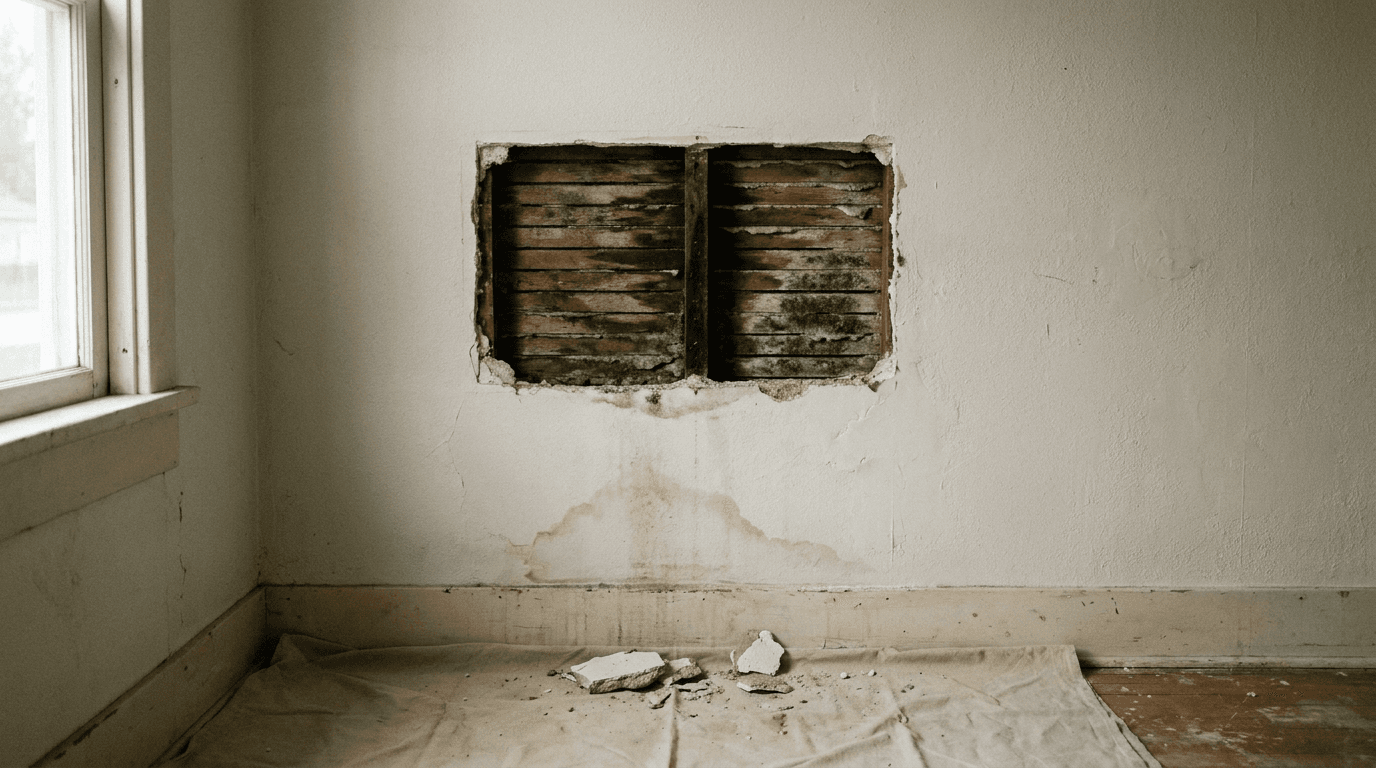
Homeowners insurance can pay for mold removal in a Caldwell home when the mold traces back to a covered water event, often only up to a limit. Here's how that limit often works, what an adjuster weighs, and what to tell your insurer.
What Should You Do When a Star Garage Floods?
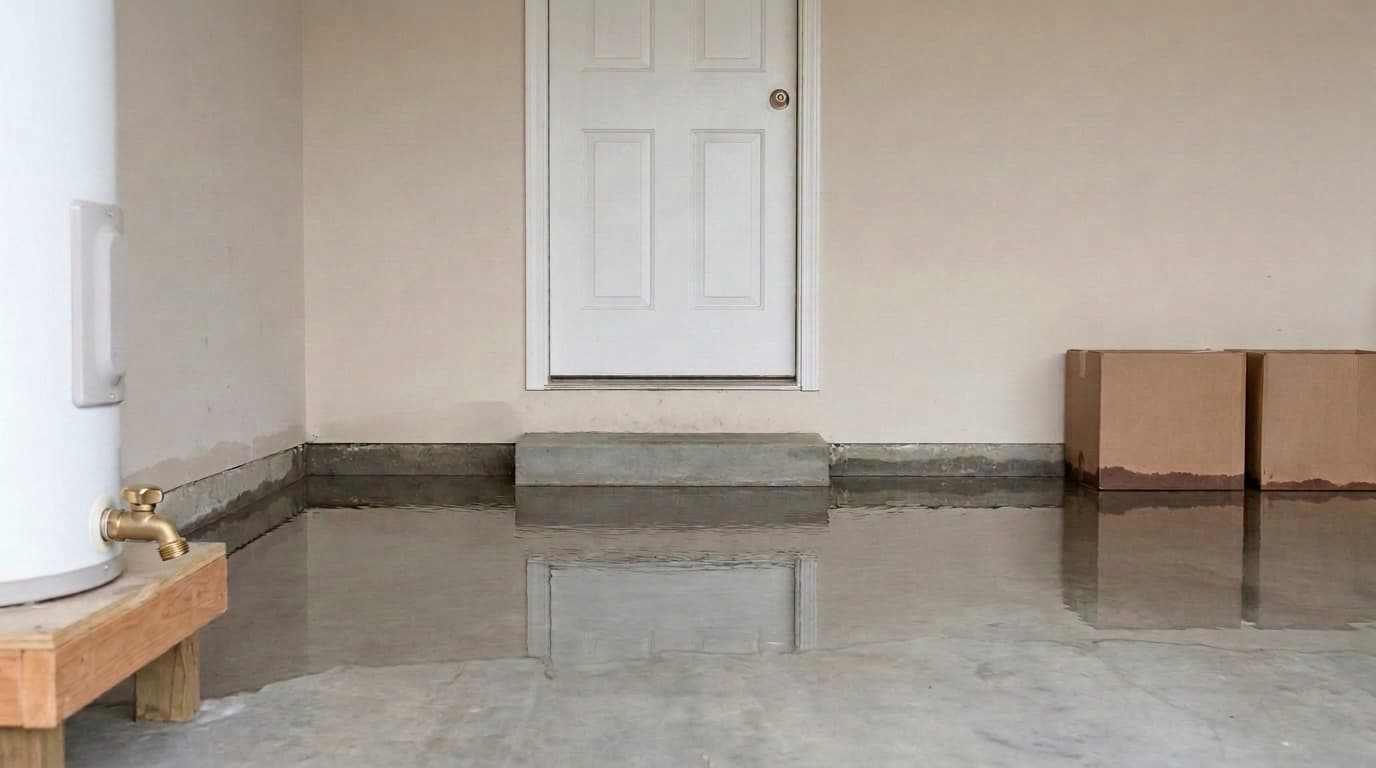
When a water heater or washer floods a Star garage, stay clear of anything electrical the water reached, stop it at the source, and move it away from the house wall. Here's what to check next, and which board Idaho's code calls for when that wall is repaired.
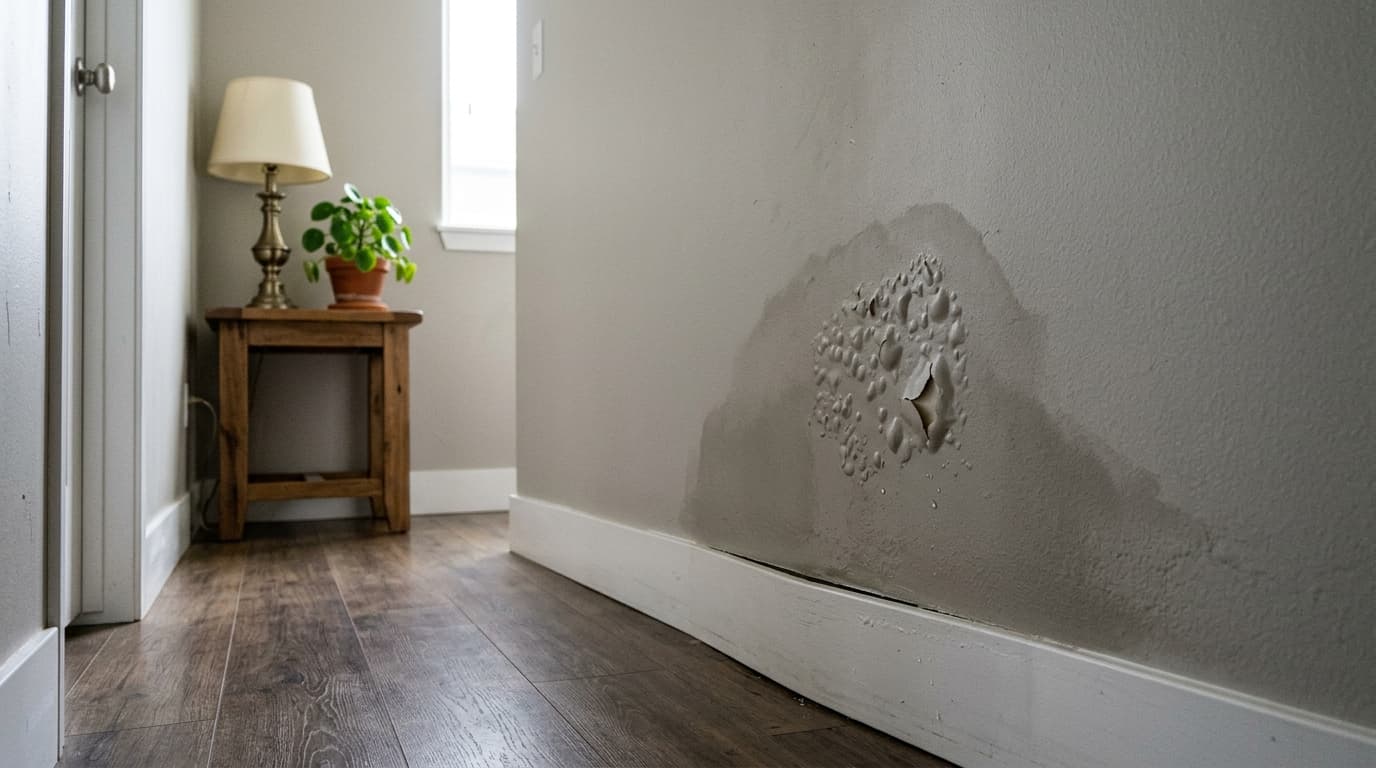
How Do You Find a Water Leak in a Middleton Wall?
A leak inside a Middleton wall can show up in the water bill, a faint running sound or a bubbling paint seam before any stain appears. Here's how to narrow it down, what the City's meter rules mean for you, and when opening the wall makes sense.