
Why Does Your Kuna Home Smell Like Sewer Gas?
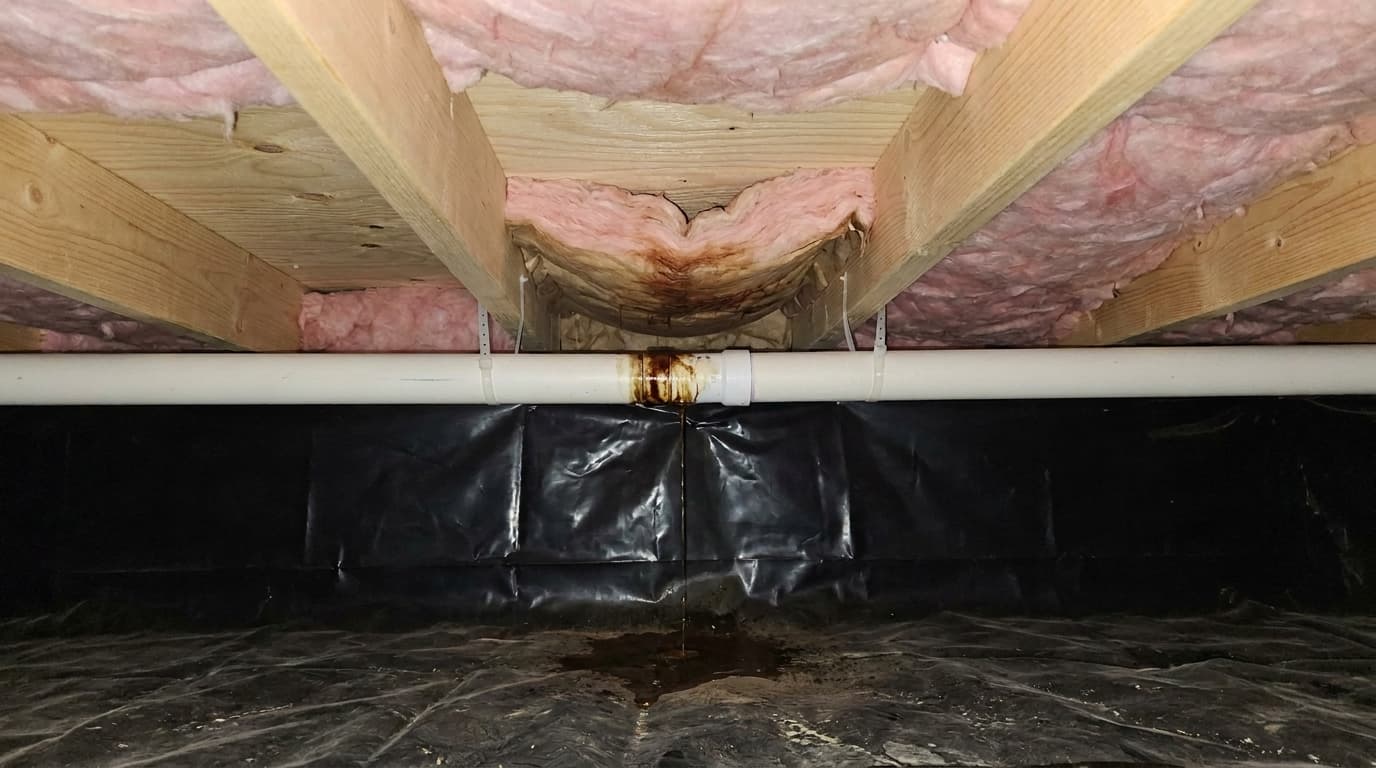
You walk into the laundry room or the guest bath and there it is: rotten eggs, or plain sewage, with no backup and no puddle anywhere. A sewer gas smell in a Kuna home usually has a plumbing cause, and most of the time the fix belongs to a plumber, not to a restoration company.
Our part starts only if the smell turns out to be a drain line leaking into a wall or under the floor. The plumber stops the leak, but the sewage it left still has to come out, and that is where our sewage cleanup work begins. Below are the plumber's checks first, then the signs of that kind of job.
If your home has natural gas, one check comes first, because natural gas can smell like rotten eggs too. Intermountain Gas, which serves Kuna, lists these steps, in this order, in a press release on what to do if you suspect a gas leak (January 2025, updated February 2026). They cover anyone inside who smells the utility's gas odorant or suspects a natural gas leak:
Evacuate everyone immediately, including pets.
Leave the door open behind you as you leave.
From a safe location outside the building and away from the possible leak, call Intermountain Gas's emergency number at 800-548-3679.
Call 911.
Keep other people and animals away from the area.
Don't use a telephone or cell phone inside the building.
Don't flip light switches, pull plugs or use electrical devices. The utility says that includes garage door openers, doorbells and any type of vehicle, machinery or equipment.
Don't smoke or light matches.
If you are outside, the same release says to leave the area immediately, call Intermountain Gas and 911 from a safe location, and not smoke or light matches in the area or operate machinery or vehicles. Its safety page warns that a match, a telephone, a light switch, an electrical device or a pulled plug could ignite accumulated gas. If you can't rule gas out, follow those steps before you go looking for a drain.
Get Your Quote
Ready to handle this with a pro?
You're reading about What Does Sewer Gas From a Kuna Drain Actually Smell Like. Get a fast quote for water damage restoration service in Boise, ID from Apex Restoration.
What Does Sewer Gas From a Kuna Drain Actually Smell Like?
Usually like rotten eggs, sometimes like an outhouse. The rotten-egg part is hydrogen sulfide. In its ToxFAQs sheet on hydrogen sulfide, the federal Agency for Toxic Substances and Disease Registry (ATSDR) describes it as a flammable, colorless gas that smells like rotten eggs and is often referred to as sewer gas.
Intermountain Gas says natural gas, which is almost entirely methane, is odorless and colorless, so the utility injects an odor that smells like rotten eggs to make leaks easier to detect. The two smells can end up described in the same words. We don't try to tell them apart by nose alone, and we'd ask you not to either.
A musty, earthy odor is a different signal: it usually points to something damp, not to sewer gas. Sewer gas is sharper, and it tends to be strongest near wherever it is getting in.
How Do You Find Which Kuna Drain Is Letting Sewer Gas In?
Walk the house room by room and write down where the smell is strongest and when it shows up: in the morning, after a shower, while the washer drains, when the furnace starts, on windy days. Then match the pattern:
One fixture nobody uses much. A sink, tub, shower or floor drain points to a dry trap.
Strongest at the base of a toilet. That points to the wax ring.
Several rooms, or worst right after a big drain. That points to the vent.
A loose, cracked or missing cleanout cap. A cleanout is an access fitting on the drain line, and an open one lets sewer gas straight out. Some sit outside, some under the house.
Strongest at the floor registers or the crawlspace access. The source may be under the house, or the furnace may be moving the smell from somewhere else.
Every drain, and getting worse. A blocked or damaged sewer line is possible, and finding it is a plumber's camera job.
On the registers: one forum thread started with a homeowner describing a sewage smell at the house's air vents. In it, a commenter said theirs had been a dried-up drain in the furnace room, with the forced-air system pushing the smell through the house. Tell the plumber about the furnace and the crawlspace.
The crawlspace matters in Kuna. Our Kuna service-area page notes that most of what we work on there is newer construction on crawlspaces and slabs, where a crawlspace supply line, a garage water heater or an irrigation break near the foundation won't show itself in a basement, because there isn't one. It shows up as cupped flooring, a soft patch, or a musty smell at the registers when the furnace starts in the fall. A drain leak under the floor can surface the same way, with a sewer smell instead.
How Do You Know a Dry Kuna Floor Drain Trap Is the Source?
Each fixture drain should have a trap: the bend under a sink, or the one under a floor drain grate. The water held in that bend is what blocks sewer gas at that opening, and that water can disappear. The plumbing chapter of the CDC and HUD Healthy Housing Reference Manual (2006 edition) lists evaporation among the ways a trap loses its seal, alongside siphonage, back pressure, capillary attraction and wind effect, and calls siphonage and back pressure probably the most common. Evaporation is the one that catches a drain nobody uses, like a laundry-room floor drain waiting for an overflow.
The check is simple once natural gas is ruled out and nothing is coming back up out of the drain:
Pour water down the drain to refill the trap. The Healthy Housing Reference Manual gives this advice for a house that has sat vacant for a while: fill the P-trap with water to keep sewer gas out. It adds that mineral oil in the water can slow the loss of fluid from the trap.
Let the room air out, then check it again later.
If the smell clears and stays away, the trap was the source. Refill that drain from time to time, or ask a plumber about a permanent fix. An unused guest tub, shower or sink can be checked the same way.
If the smell comes back with the trap full, the trap isn't the whole story. It may be siphoning because the drain isn't vented properly, the trap or its connection may be cracked, or the gas is getting in somewhere else. Any of those is a plumber's call.
Get Your Quote
Ready to handle this with a pro?
You're reading about When Does a Failed Toilet Wax Ring Smell Like Sewer Gas in Kuna. Get a fast quote for water damage restoration service in Boise, ID from Apex Restoration.
When Does a Failed Toilet Wax Ring Smell Like Sewer Gas in Kuna?
A toilet seals to the drain at its base with a ring of wax or plastic pressed between the toilet and the drain opening. When that ring stops sealing, sewer gas can come up around the base. A failed ring is the likely source when:
the smell is strongest low, right at the base of the toilet
the toilet rocks or shifts when you sit on it
the floor around the base is stained, soft or lifting
the toilet was pulled and reset recently, for a repair or for new flooring
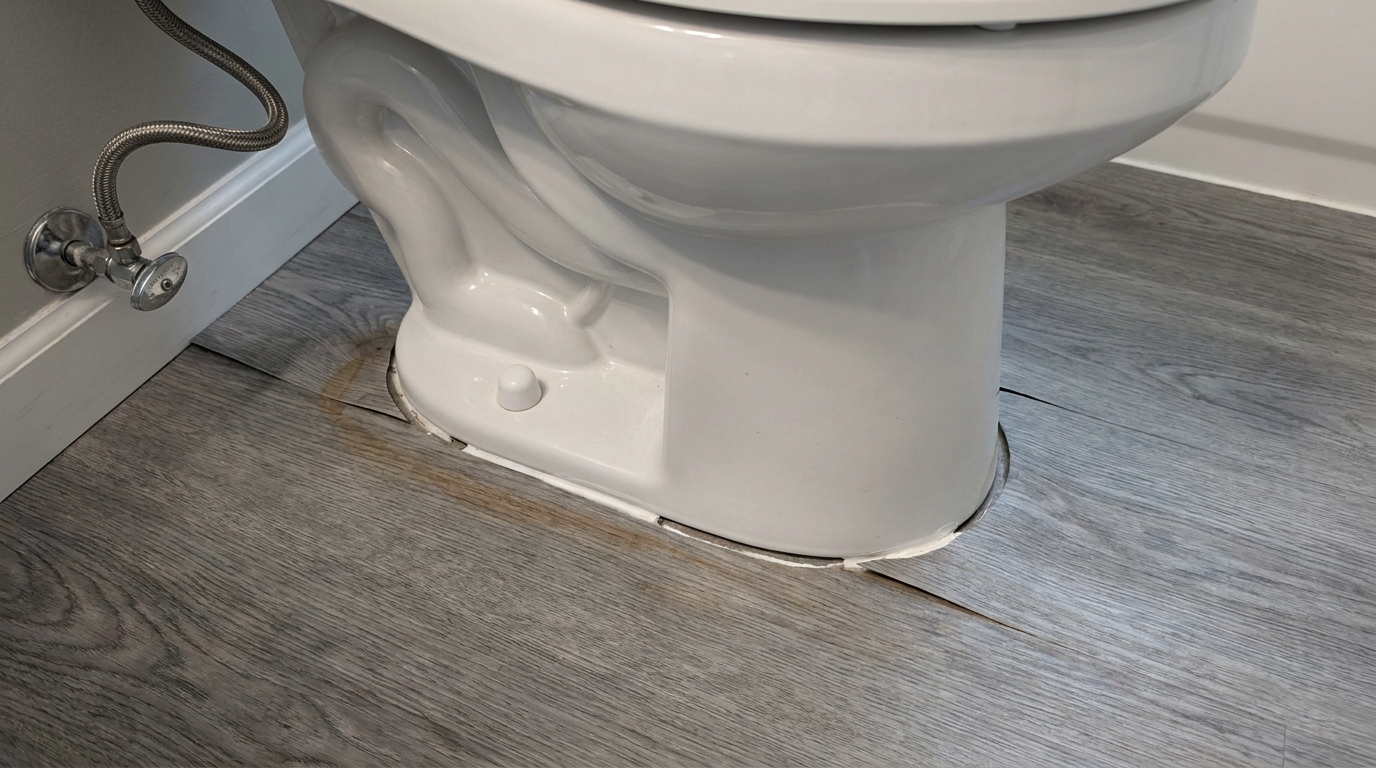
A dry floor doesn't clear the toilet: a worn seal can let gas past without leaving any water behind.
In a Kuna crawlspace home, the other side of that seal is under the house. A ring that has leaked water, not just gas, can darken or soften the subfloor beneath the toilet, and that water is drain water, not clean water. Replacing the ring means pulling the toilet, which is a plumbing repair, and it is worth a look from the crawlspace at the same time.
What Tells You a Blocked Kuna Vent Stack Is Venting Sewer Gas Indoors?
The vent stack is the pipe through your roof. It lets air into the drain system so draining water doesn't pull the traps empty, and it gives sewer gas a way out above the house. The Healthy Housing Reference Manual says the drain system must be properly vented to keep traps from siphoning dry, losing their water seal and letting gas from the sewer into the building.
When the vent is blocked, or the pipe is damaged or disconnected, the system can pull that air through your traps instead. Signs that point at the vent rather than at one drain:
the smell shows up in more than one room, or moves around the house
it is worst right after a lot of water goes down at once
drains run slow in more than one fixture; the CDC and HUD manual notes that improperly vented fixtures drain slowly and clog often
a trap you refilled loses its seal again
We'd leave the roof to the plumber. Clearing or repairing a vent can mean working up there and running a camera down the pipe.
Why Does the Sewer Smell Come Back After You Run Every Kuna Drain?
Because a full trap only protects the opening it sits under. Running water through every drain rules out a dry trap. If the smell comes back anyway, the gas is getting in somewhere a trap can't help, or a trap keeps losing its seal. What's left is a shorter list:
A trap that keeps siphoning. If the smell returns right after heavy drain use, poor venting may be pulling the seal out each time.
An opening no trap protects. A loose or missing cleanout cap, an old pipe cut and left open during a remodel, a cracked fitting inside a wall. One homeowner in a plumbing forum finally traced their smell to an abandoned drain line behind the drywall, still connected to the sewer and not capped.
A drain line that is leaking. If the smell spikes right after a shower, a load of laundry or a flush, water going down the drain may be escaping on its way out. That pattern matters most, because running more water makes a leak worse, not better.
This is where the do-it-yourself checks run out. A plumber can locate the source with a smoke test, filling the drain and vent pipes with smoke and watching where it comes out, or by running a camera through the line. Neither is a service we offer.
Get Your Quote
Ready to handle this with a pro?
You're reading about When Does a Kuna Crawlspace Odor Mean Hidden Sewage and a Restoration Job. Get a fast quote for water damage restoration service in Boise, ID from Apex Restoration.
When Does a Kuna Crawlspace Odor Mean Hidden Sewage and a Restoration Job?
When the source turns out to be sewage leaking where you can't see it, under the floor or inside a wall. With no basement to catch it, the smell may be the first sign anyone notices. That isn't only a Kuna pattern. Our page on water damage restoration in Meridian makes the same point about homes there: with no basement, a supply line leaking under the floor runs into the crawlspace and stays there.
Signs the smell has become that kind of problem:
the smell is strongest at the crawlspace access or the floor registers, especially when the furnace runs
it spikes after showers, laundry or flushing
the plumber finds a leaking joint, a cracked drain line or an open cleanout under the house
under the floor, there is wet or sagging insulation, dark staining on the subfloor, or wet spots on the vapor barrier
on a wall that backs up to a bathroom or laundry, there is staining or softness low on the wall
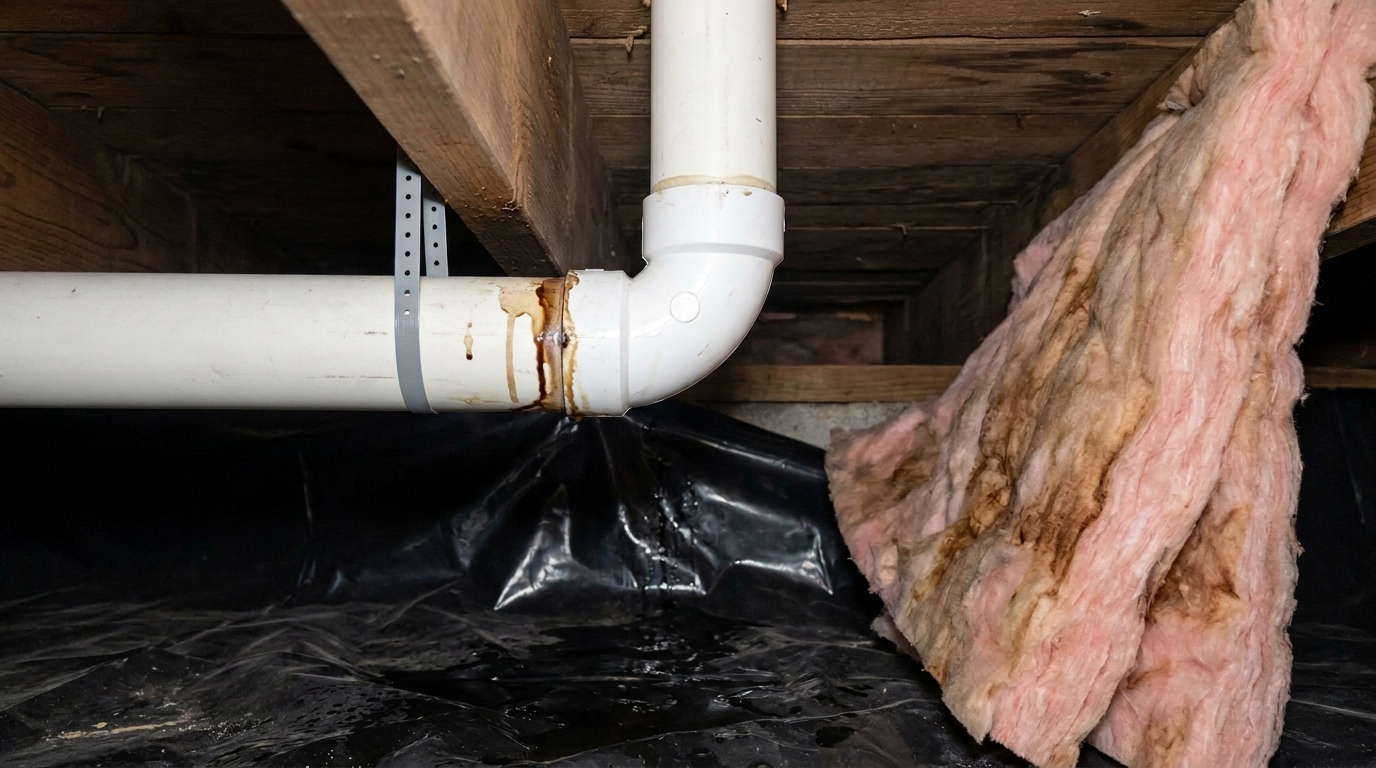
The plumbing repair stops the leak. It doesn't clean what the leak soaked. In a March 2026 position statement, the IICRC quotes its S500 water damage standard, which lists sewage among its examples of what can be Category 3 water, the grossly contaminated kind. Our guide to water damage categories explains what that means for cleanup, and it is why sewage-soaked insulation, subfloor or vapor barrier isn't a shop-vacuum project.
That is where we come in. Once a plumber has fixed the leak, our IICRC-certified technicians handle the sewage cleanup under the floor or in the wall. That job means taking out what can't be cleaned, and cleaning and drying what can, before anything is closed back up.
If sewage is coming up out of a drain or toilet instead, that is a backup, and the first steps are different. Our sewage backup cleanup guide covers them, along with the insurance and home-buyer questions a backup raises.
Is Sewer Gas in a Kuna Crawlspace Dangerous to Breathe?
It can be, and your nose can't tell you how much is there. ATSDR says the effects of hydrogen sulfide depend on the concentration, how long the exposure lasts and other factors, and that lower, longer-term exposure can cause eye irritation, headache and fatigue. The CDC and HUD manual adds that many sewer gases are extremely harmful and that certain sewer gases are explosive.
A crawlspace is where we'd be most careful. The Occupational Safety and Health Administration (OSHA) notes on its hydrogen sulfide page that the gas is heavier than air and can build up in low-lying areas and in confined spaces, including enclosed, poorly ventilated areas; its examples are manure pits, sewers, manholes and underground vaults. A crawlspace isn't on that list, but it is low and enclosed, and it can be exactly where a leaking drain line runs.
Don't count on the smell to warn you. OSHA says that after a while at low concentrations, or more quickly at high ones, you can no longer smell hydrogen sulfide to warn you it's there. A smell that fades while you're standing in it is not, by itself, proof the gas is gone.
If there is any chance the smell is natural gas, Intermountain Gas's steps at the top of this page come first. Otherwise, we'd leave the crawlspace to the plumber and keep kids and pets out of it until the source is found. If sewage has reached the insulation, subfloor or vapor barrier, cleaning it up is a job for a crew equipped for sewage.
The Takeaway
If there is any chance the smell is natural gas, Intermountain Gas's steps at the top of this page come first.
A smell that clears after you refill an unused drain and let the room air out, and stays away when you check again later, came from a dry trap.
A smell strongest at the toilet base, a toilet that rocks or shifts, a stained, soft or lifting floor around it, or a toilet pulled and reset recently likely points to the wax ring, a plumbing repair.
A smell in more than one room, a smell worst right after a lot of water goes down at once, drains in more than one fixture that run slow and clog often, or a refilled trap that loses its seal again points to the vent, a job for the plumber.
If the smell comes back after you run every drain, or spikes after water use, a plumber can locate the source with a smoke test or a camera.
Sewage is among the IICRC's S500 examples of what can be Category 3 water. The plumber fixes the leak; cleaning what it soaked is our job.
OSHA says that after a while at low concentrations, or more quickly at high ones, you can no longer smell hydrogen sulfide to warn you it's there.
Leave the crawlspace to the plumber, and keep kids and pets out of it until the source is found.
If a plumber has found sewage under your Kuna home or inside a wall, call us. We respond 24/7, the inspection is free, and here is how our sewage cleanup process works.
Apex Restoration Team
Water Damage & Restoration Specialists
We're the Apex Restoration team — a family-owned, IICRC-certified crew handling water damage, mold, and abatement across Boise, the Treasure Valley, and Eastern Washington & North Idaho. We answer 24/7 and write these guides to help homeowners make calm, informed decisions when water, mold, or hazards show up.
Related Posts
Does Homeowners Insurance Cover Mold Removal in Caldwell?
Homeowners insurance can pay for mold removal in a Caldwell home when the mold traces back to a covered water event, often only up to a limit. Here's how that limit often works, what an adjuster weighs, and what to tell your insurer.
What Should You Do When a Star Garage Floods?
When a water heater or washer floods a Star garage, stay clear of anything electrical the water reached, stop it at the source, and move it away from the house wall. Here's what to check next, and which board Idaho's code calls for when that wall is repaired.
How Do You Find a Water Leak in a Middleton Wall?
A leak inside a Middleton wall can show up in the water bill, a faint running sound or a bubbling paint seam before any stain appears. Here's how to narrow it down, what the City's meter rules mean for you, and when opening the wall makes sense.