
How to Get Wildfire Smoke Smell Out of Your House in Boise
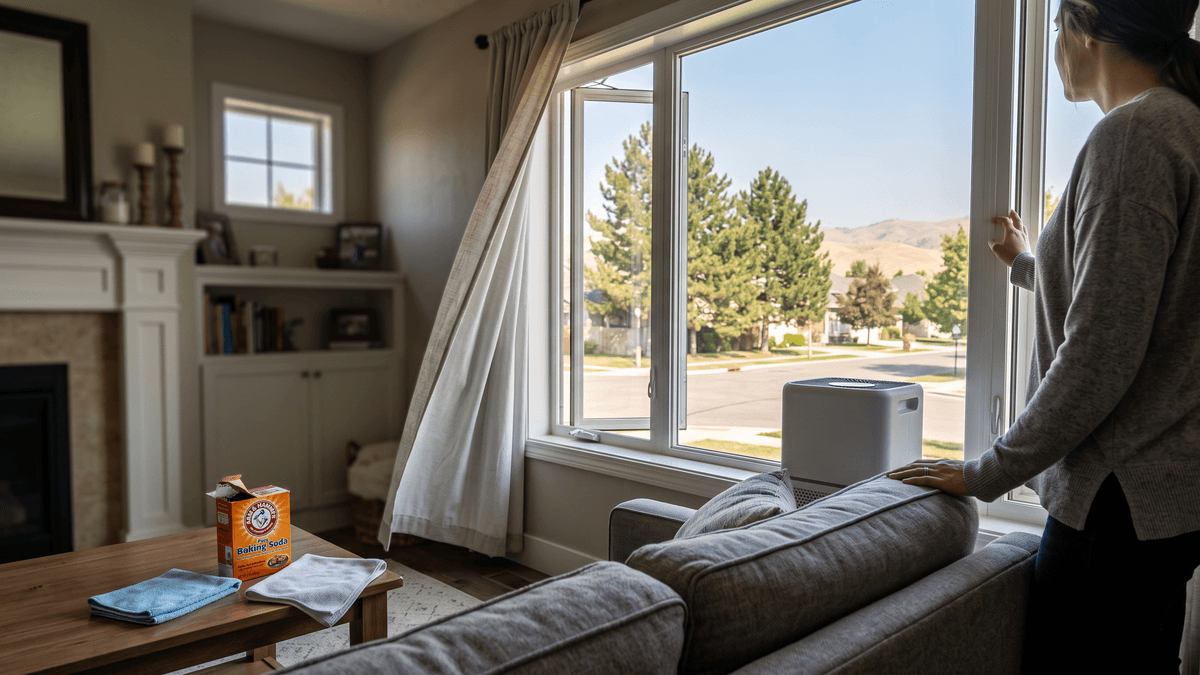
When wildfire smoke rolls into the Treasure Valley or the Inland Northwest, it doesn't stay outside. It works its way through door seams, window frames, and HVAC returns until the whole house smells like a campfire that never quite went out. The good news is that most wildfire smoke smell is something you can knock down yourself. Here's what actually works, and how to tell when the smell means something more than an open window and a HEPA filter can fix.
Get Your Quote
Ready to handle this with a pro?
You're reading about Clearing Wildfire Smoke Smell Yourself: What Actually Works. Get a fast quote for water damage restoration service in Boise, ID from Apex Restoration.
Clearing Wildfire Smoke Smell Yourself: What Actually Works
Handle these in order during and right after a smoke event:
Keep windows and doors closed while the smoke is heavy. Only open up to ventilate once local air quality has actually improved, not just because the sky looks clearer.
Run a HEPA air purifier, sized for the room it's in, and let it run continuously through smoke season rather than switching it on and off.
Upgrade your HVAC filter, ideally to a MERV 13 rating if your system can handle the airflow restriction (check with an HVAC tech if you're not sure).
Set your HVAC fan to recirculate instead of pulling in outside air, if your system has that option.
Wipe hard surfaces with a damp cloth, counters, sills, shelves, blinds. Dry dusting just stirs fine ash back into the air.
Wash soft goods that were exposed to smoke: curtains, bedding, clothing, throw blankets.
Skip the dry rag on ash. Fine ash is abrasive and tracks easily, so a damp microfiber cloth is the safer tool every time.
Stay consistent with these steps for a few days after a smoke event and most homes clear out fine. If the smell is still hanging around after that, something else is going on.
When Wildfire Smoke Smell Means Real Smoke Damage
Wildfire smoke isn't just an odor. It's fine soot and particulate riding along with that smell, and during a heavy smoke event, that particulate works its way into places a wipe-down can't reach: HVAC ductwork, insulation, drywall, upholstery, carpet padding, and other porous contents. Once it's settled in there, it keeps releasing odor long after the air outside has cleared.
That's the line between "the house smells smoky" and actual smoke damage. A light haze that airs out in a day or two is normal. Odor that keeps regenerating after you've cleaned and ventilated usually means smoke has embedded itself in your home's materials and systems, and cleaning the surface won't solve it.
When to Call a Professional
A few signs it's time to bring in a restoration team instead of another round of cleaning:
The odor returns within a day or two of cleaning and airing the house out
You can see a soot or ash film on surfaces, walls, or inside HVAC vents and registers
Smoke entered your home because of a nearby structure fire, not just regional wildfire haze
The smell gets noticeably stronger when the HVAC system kicks on (a strong sign it's settled in the ductwork)
If any of that sounds familiar, air fresheners and candles will only mask the smell temporarily. It comes back because the source is still there.
Get Your Quote
Ready to handle this with a pro?
You're reading about How Apex Restoration Helps With Smoke and Odor Damage. Get a fast quote for water damage restoration service in Boise, ID from Apex Restoration.
How Apex Restoration Helps With Smoke and Odor Damage
We handle wildfire smoke and odor damage under our fire & smoke damage restoration service, the same service we use for smoke damage from a fire on the property itself. The approach is the same either way: find where the particulate and odor have settled, then remove it instead of covering it up.
Depending on what we find during the inspection, that can include:
HVAC and duct cleaning to clear out embedded soot and particulate
HEPA and negative-air filtration to pull contaminated air out of the space while we work
Thermal fogging or hydroxyl treatment to neutralize odor at the source, not just mask it
Content cleaning for upholstery, textiles, and other belongings that absorbed smoke
Our technicians are IICRC-certified, and we're licensed, insured, and BBB A+ accredited. We offer a free inspection with a technician on site within the hour, and if the smoke damage traces back to a nearby fire event, we work directly with your insurance carrier and adjuster on the claim.
Wildfire Smoke Season in Idaho and the Inland Northwest
August and September are the sharpest wildfire smoke months across our service area, from Boise, Meridian, Nampa, Caldwell, Eagle, Garden City, Kuna, Star, Middleton, Mountain Home, Emmett, Fruitland, and Payette in the Treasure Valley, up to Spokane, Spokane Valley, Coeur d'Alene, and Post Falls in the Inland Northwest. Fires burning anywhere from central Idaho to British Columbia can send smoke drifting into our valleys, and temperature inversions often trap it close to the ground for days at a time.
Before you decide whether to air out your house, check current conditions on AirNow.gov, the federal government's real-time air quality index. It's a faster, more reliable read than judging by how hazy it looks outside.
It's also worth being straightforward about health. Fine wildfire particulate (what air quality reports call PM2.5) and settled ash can irritate airways, and that risk is higher for kids, older adults, and anyone with asthma or COPD. The EPA and CDC both publish guidance on limiting exposure during smoke events, and the short version is simple: keep indoor air filtered, limit outdoor exertion on high-AQI days, and don't rely on a dust mask to do a HEPA filter's job.
Frequently Asked Questions
How long does wildfire smoke smell last in a house?
With prompt HEPA filtration, HVAC filter changes, and surface cleaning, mild smoke odor usually clears within a few days to a week. If it's still noticeable after that, particulate has likely settled into the HVAC system or porous materials, and professional remediation will get you there faster than more scrubbing.
Can I just cover the smell with air fresheners or odor sprays?
You can, temporarily. Sprays and candles mask odor without removing the soot and particulate causing it, so the smell comes back once they wear off, often stronger when the HVAC runs.
Does homeowners insurance cover wildfire smoke damage?
It depends on your policy and where the smoke came from. If the damage is tied to a specific fire event, we can work directly with your insurance carrier and adjuster to help document it. Check your policy or ask your agent about wildfire smoke coverage specifically.
Is smoke smell inside my house actually a health concern?
It can be. Fine particulate from wildfire smoke can irritate airways, especially for kids, older adults, and people with asthma or COPD. Checking AirNow before you ventilate and keeping a HEPA filter running are simple ways to reduce exposure indoors.
Get Your Quote
Ready to handle this with a pro?
You're reading about Get a Free Smoke Damage Inspection. Get a fast quote for water damage restoration service in Boise, ID from Apex Restoration.
Get a Free Smoke Damage Inspection
If you've worked through the DIY steps above and the smoke smell in your Treasure Valley or Inland Northwest home still isn't budging, it's worth having a second set of eyes on it. Apex Restoration offers a free inspection with a technician on site within the hour, 24/7, so you're not left guessing whether it's surface odor or smoke damage that's settled in for the long haul. You can also browse our restoration guides for more on handling smoke, water, and storm damage around the house.
Dealing with this right now? We handle restoration work in Eagle and across the Treasure Valley, and we answer around the clock.
Apex Restoration Team
Water Damage & Restoration Specialists
We're the Apex Restoration team — a family-owned, IICRC-certified crew handling water damage, mold, and abatement across Boise, the Treasure Valley, and Eastern Washington & North Idaho. We answer 24/7 and write these guides to help homeowners make calm, informed decisions when water, mold, or hazards show up.
Related Posts
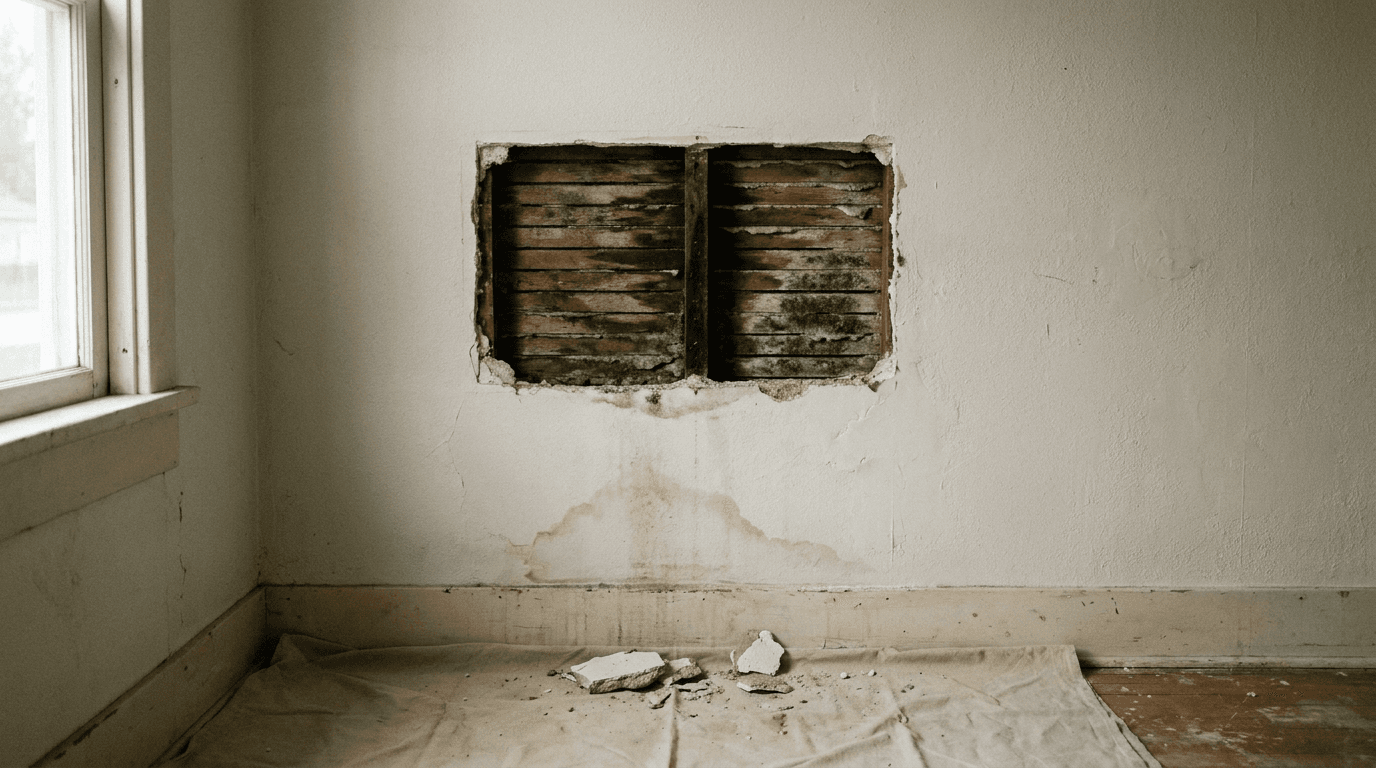
Does Homeowners Insurance Cover Mold Removal in Caldwell?
Homeowners insurance can pay for mold removal in a Caldwell home when the mold traces back to a covered water event, often only up to a limit. Here's how that limit often works, what an adjuster weighs, and what to tell your insurer.
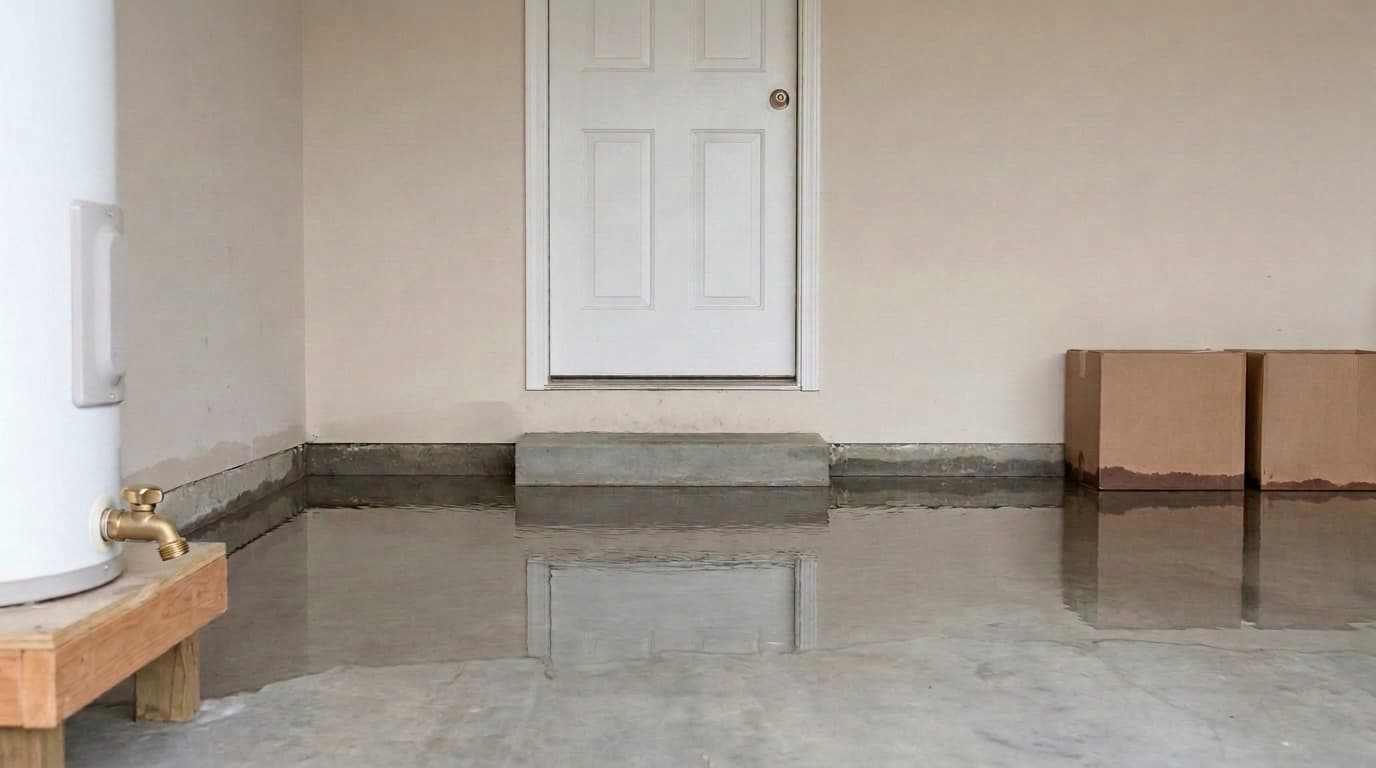
What Should You Do When a Star Garage Floods?
When a water heater or washer floods a Star garage, stay clear of anything electrical the water reached, stop it at the source, and move it away from the house wall. Here's what to check next, and which board Idaho's code calls for when that wall is repaired.
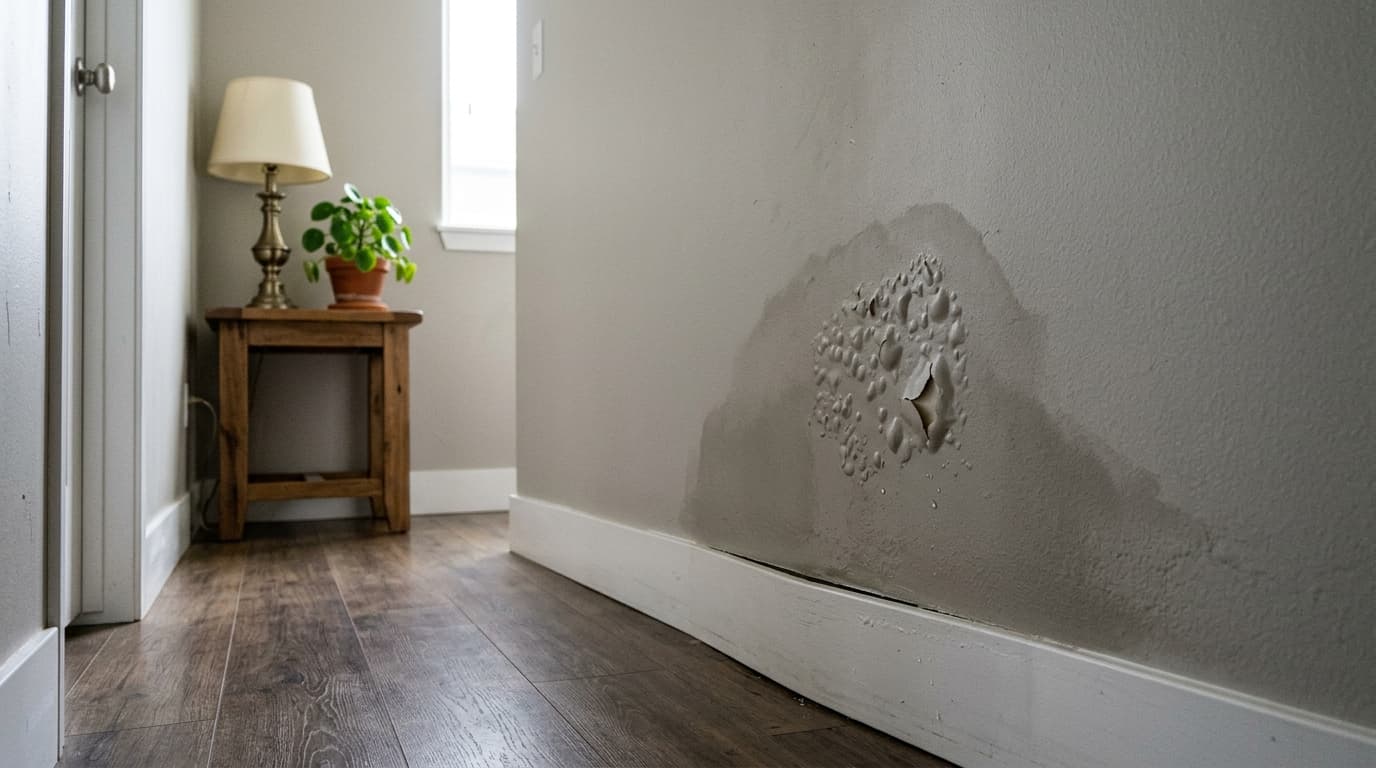
How Do You Find a Water Leak in a Middleton Wall?
A leak inside a Middleton wall can show up in the water bill, a faint running sound or a bubbling paint seam before any stain appears. Here's how to narrow it down, what the City's meter rules mean for you, and when opening the wall makes sense.