
Who Is Responsible When Sewage Backs Up Into a Boise Home?
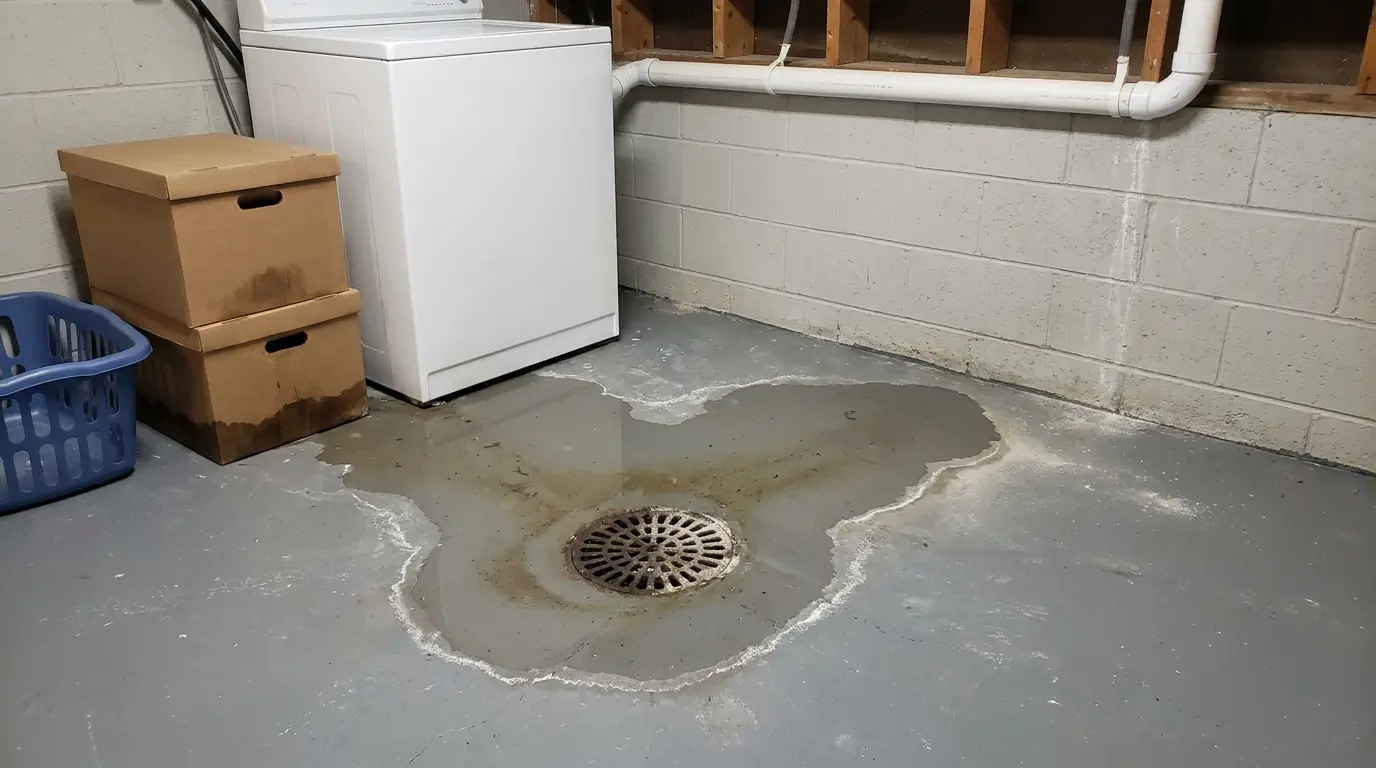
Usually, it depends on whose pipe the blockage is in. Boise City Code 10-2-2-1 makes the private service line, the part inside private property or a private sewer service easement, the property owner's, and says Boise City doesn't maintain it. The public service line, from the tap-in at the City's sewer to the right-of-way line of the public sewer easement, is owned by Boise City. So the City's part of the pipe reaches that right-of-way line, and a blockage on your side of it is yours to have cleared. Whether the City owes anything for damage inside your house is a separate question, decided under Idaho's tort claims chapter, not by this post.
We clean up sewage, and we're not plumbers or lawyers. Our sewage cleanup team handles what has already come into the house. In one case the owner's job reaches past the owner's own pipe, though: Boise City Code 10-2-5-2 makes the owner responsible, at the owner's expense, for clearing rocks, roots and debris from private property that settled into the public service line, while repairing that line is the City's job. Below: the split in the code's own words, how the blockage gets located, who pays the plumber, what Public Works handles, the deadline for a claim with the City, and who does which job.
Get Your Quote
Ready to handle this with a pro?
You're reading about Who Is Usually Responsible for a Sewage Backup in a Boise Home. Get a fast quote for water damage restoration service in Boise, ID from Apex Restoration.
Who Is Usually Responsible for a Sewage Backup in a Boise Home?
Usually, whoever owns the stretch of pipe where the blockage is. Boise's code says who owns each stretch, which the next section quotes in full, along with one exception. In practice it plays out two ways:
The blockage is in your pipe. The private service line belongs to the owner and Boise City doesn't maintain it, so getting it cleared is the owner's job to arrange and pay for.
The blockage is in the City's pipe. The public service line belongs to Boise City, and the City repairs it. If what's blocking it is rocks, roots and debris that came from your property, though, clearing it is the owner's job, at the owner's expense. The sewer that line taps into is the City's system, which Public Works maintains and repairs.
Owning the pipe and owing for the damage are two different questions, though. On your side, the repair and the cleanup both start with the owner, and the owner's homeowners policy is where to check for help with the cleanup. On the City's side, the City repairs the public service line, but whether the City owes you anything for the mess inside the house is a claim question with its own deadline, covered further down.
If sewage is in the house right now, the first steps matter more than any of this. Our guide to sewage backup cleanup in Boise covers what to do first, the health risks and the insurance endorsement. This post stays with who owns which pipe, who pays and whom to tell.
Which Part of the Sewer Line Does a Boise Homeowner Own, and Which Part Does the City Own?
Boise City Code 10-2-2-1 names the two pieces of pipe between a house and the City's sewer, and the definitions are short enough to read whole:
Private service line: "That part of a sewer, connected to the City sewer system located within private property or private sewer service easement, owned by the property owner and not maintained by Boise City."
Public service line: "That part of a sewer constructed from the sewer tap-in of the existing lateral, manhole, trunk sewer or interceptor sewer to the right-of-way line of the public sewer easement. Public service lines are owned by Boise City."
In plain terms, the homeowner owns the private service line, the City owns the public one, and the two meet at the right-of-way line of the public sewer easement. That's how far the City's ownership of the pipe goes: from its sewer out to that line. For example, a blockage in the pipe just outside your foundation is on your side of that line, while one in the City's sewer, or in the public service line between the tap-in and the right-of-way line, is in the City's pipe. Where that line falls on a particular lot is a question for the City.
Two details in the wording help. The private definition reaches pipe in a private sewer service easement as well as on private property, so a private line that crosses another lot on its way out is still private pipe, not the City's. And the sewer main, in everyday terms, is the City's sewer itself, the pipe the public service line taps into.
Owning a stretch of pipe and clearing it don't line up exactly, though. Boise City Code 10-2-5-2 makes the owner responsible, "at owner's expense," for "the cleaning, unstopping and maintenance of the public portion of the service line to remove rocks, roots and debris that originated from private property and settled into the public service line." The same clause adds: "Repair of the public service line will be the responsibility of the City." So debris from your property that settles into the public service line is still yours to have cleared, while repairing that pipe is the City's job.
One scope note. Boise Public Works says "Residential and commercial buildings must connect to the sewer system," and everything here is about homes on the City of Boise sewer. A house on a septic system, or a home in another Treasure Valley city or sewer district, goes by its own rules.
How Can You Tell Whose Pipe Caused the Backup, Yours or the City's?
Not with certainty from inside the house. Sewage coming up through a floor drain or a tub shows that something downstream has gone wrong. It can't show which side of the right-of-way line the problem is on.
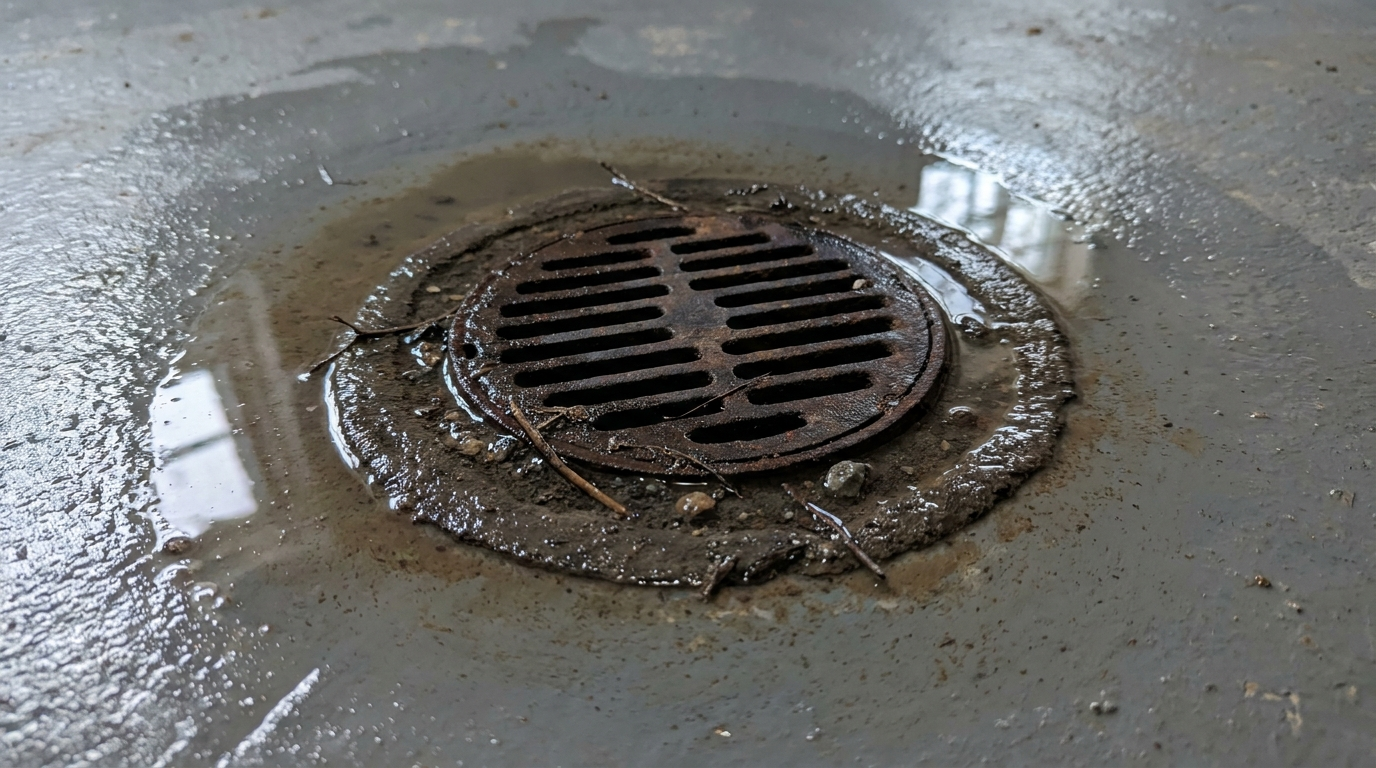
The location gets pinned down by a plumber's camera run through the line, or by the City confirming trouble in its part of the system. The camera is a plumber's tool, and the cleanup guide we linked above covers that inspection.
If you think the problem is on the City's side, the department to tell is Boise Public Works, which runs the sewer system. Its emergency line, and what that line covers, are in the Public Works section below.
Whichever way the blockage is found, get its location in writing. Which piece of pipe it was in, and whether it was debris from your property, decide who clears it under the code, and whether a claim with the City is even a question. The owner arranges and pays for clearing and repairing the private service line, and for clearing debris from the property out of the public service line; repairing the public service line is the City's job. We don't do any of that work.
Get Your Quote
Ready to handle this with a pro?
You're reading about Who Pays the Plumber When the Blockage Is on the Boise Property Side. Get a fast quote for water damage restoration service in Boise, ID from Apex Restoration.
Who Pays the Plumber When the Blockage Is on the Boise Property Side?
The owner does. Boise City Code 10-2-5-2 makes the owner responsible, "at owner's expense," for "the cleaning, unstopping, maintenance and repair of the private service line," so when the blockage is there, the plumber is yours to call and the bill is yours to pay. The invoice stays between you and the plumber even if the camera ends up finding the blockage in the City's part, and when that blockage is rocks, roots and debris from your property in the public service line, the same section puts clearing it on the owner as well. Whether the City owes you anything back is the claim question covered below.
The cleanup follows the same line when the blockage is on your side. The sewage that came into the house is the owner's to deal with, and the next question is whether a homeowners policy helps pay for it.
That depends on your own policy's wording and on whether it carries a sewer backup endorsement. Our sewage backup guide walks through what a sewer backup endorsement does and where its limits sit. If the plumber says the line itself needs replacing, ask your insurer before the work starts whether your policy pays anything toward that.
What Does Public Works Handle in Boise When the Blockage Is in the City's Sewer Line?
Boise's sewer system itself. The public part of the line, covered in the ownership section above along with the clearing job the code leaves to the owner there, belongs to Boise City, and Public Works is the department that "designs, maintains and repairs Boise's sewer system," in the City's own words.
Public Works also lists a number for urgent sewer trouble and words its scope two ways. Under "Report Issue," its page says to call immediately "For sewer back-ups, water overflows, or raw sewage on the ground." A banner on the same page covers "water coming from a manhole, raw sewage on the ground, or other potential public health emergency," and says not to use the contact form to report those. If what you're facing fits either, call the number on the City's page.
That's the City's sewer work. Damage inside a house is a different matter, a claim question with its own deadline, which the next section covers.
How Long Do You Have to File a Claim With the City After a Boise Sewer Backup?
The Boise City Clerk's Office gives you 180 days. Its claim for damage page says a claim "must be filed and received by the Boise City Clerk's Office no later than 180 days from the date of the incident," and the form is on that page. Note the word "received": the claim has to reach the Clerk's Office within that time, not just be sent.
Idaho Code 6-906 sets a 180-day window as well: claims against a political subdivision "shall be presented to and filed with the clerk or secretary of the political subdivision within one hundred eighty (180) days from the date the claim arose or reasonably should have been discovered, whichever is later." The City's page counts from the date of the incident, which is worded differently from the statute. Which date applies to your backup is a question for an attorney, not for this post.
Filing a claim isn't the same as being paid. The Clerk's page says providing the form "is not an admission nor shall it be construed to be an admission of liability or an acknowledgement of the validity of a claim by the political subdivision." Whether the City owes anything is decided under Idaho's tort claims chapter, Title 6, Chapter 9 of the Idaho Code, and nothing here is legal advice.
What a claim against the City has to show is its own subject. Our guide to burst pipe water damage in Boise touches on it for water damage from City infrastructure, and this post adds only the deadline. A claim with the City is also separate from a claim on your own homeowners policy, which runs on your policy's terms.
Get Your Quote
Ready to handle this with a pro?
You're reading about Which Jobs Fall to the Plumber, the City and a Cleanup Crew for Boise Homeowners. Get a fast quote for water damage restoration service in Boise, ID from Apex Restoration.
Which Jobs Fall to the Plumber, the City and a Cleanup Crew for Boise Homeowners?
A sewage backup in a Boise home can involve three separate jobs:
The plumber finds and clears the blockage in the private service line, and repairs or replaces that pipe when it needs it. That's work the owner hires and pays for, and under Boise City Code 10-2-5-2 so is clearing rocks, roots and debris from the property that settled into the public service line.
The City of Boise, through Public Works, maintains and repairs the City's sewer and lists the number for urgent sewer reports on its page.
A cleanup crew deals with the sewage that's already in the house: getting it out, cleaning and drying what it reached, and documenting the loss.
The cleanup is the one job that doesn't depend on whose pipe was blocked. Once sewage has come up a drain onto floors, carpet or the bottom of a wall, it has to be dealt with either way, and clearing the line doesn't touch what's already in the room.
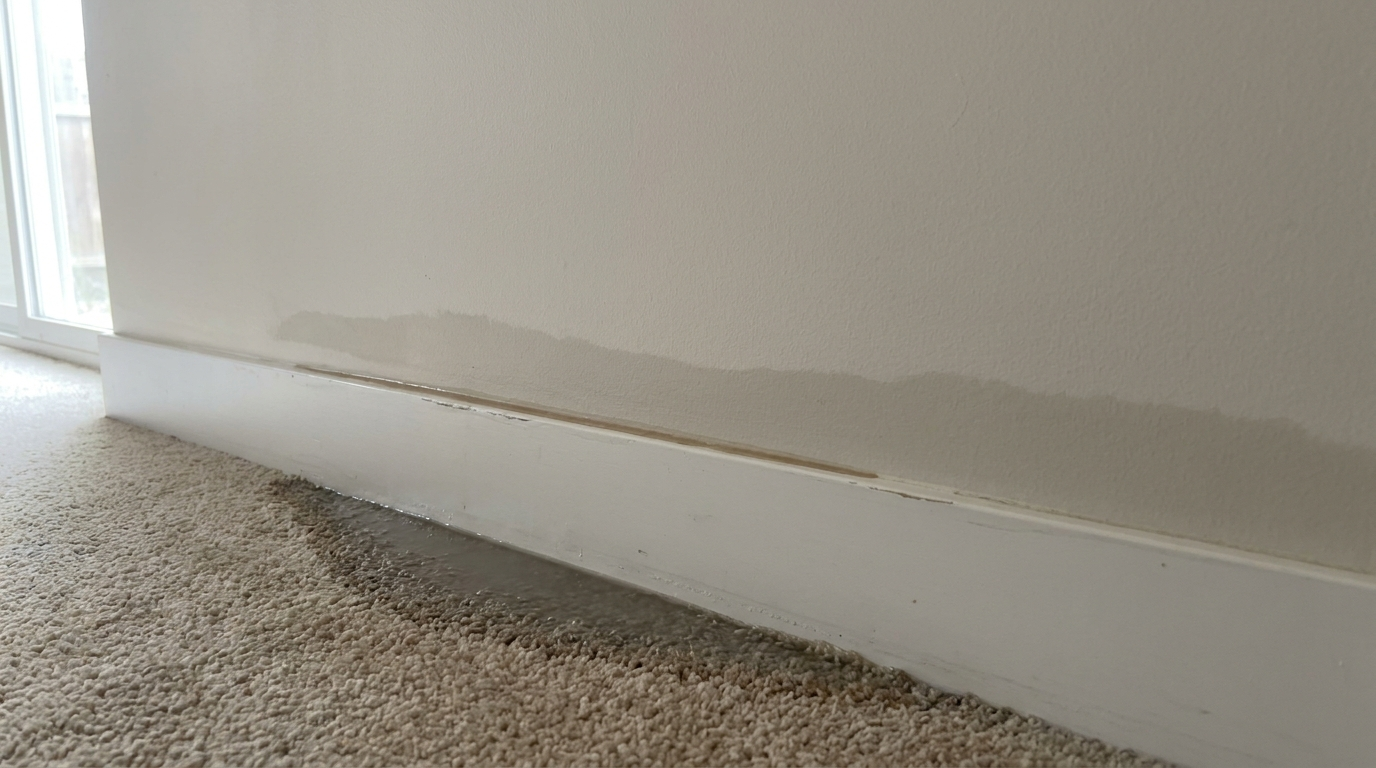
That's the part we do. Sewage cleanup and water extraction are on our service list, and we use thermal imaging and moisture meters to find where the water went.
If a homeowners claim is part of the picture, we work directly with the carrier and the adjuster on the claim and the documentation. What we don't do: we're not plumbers, so we don't clear, camera, repair or replace sewer lines, and we don't give legal advice or decide who owes what.
The Bottom Line on Sewer Backup Responsibility in Boise
Boise City Code 10-2-2-1 makes the private service line, inside private property or a private sewer service easement, the owner's, and the public service line, from the tap-in to the right-of-way line of the public sewer easement, Boise City's. Boise City Code 10-2-5-2 adds that clearing rocks, roots and debris from private property out of the public service line is the owner's job, at the owner's expense, while repairing that line is the City's.
A blockage on your side is yours to have cleared and the plumber's bill is yours; whether a homeowners policy helps with the cleanup depends on your policy's wording and any sewer backup endorsement.
A plumber's camera or the City confirms where the blockage is, so get the location in writing.
Boise Public Works designs, maintains and repairs the sewer system. For sewer backups, water overflows, raw sewage on the ground, water coming from a manhole or another potential public health emergency, call the number on the City's page immediately.
A claim against the City must be filed and received by the Boise City Clerk's Office within 180 days from the date of the incident, while Idaho Code 6-906 counts its 180 days from the date the claim arose or reasonably should have been discovered, whichever is later. The City says providing its claim form is not an admission of liability.
The pipe split and the emergency line above are Boise's. Outside Boise, your own city or sewer district draws that line. The cleanup side stays the same anywhere in the Treasure Valley, which we cover, so a Meridian homeowner can start with our page on water damage restoration in Meridian. Whoever owns the blocked pipe, our inspection and estimate for the cleanup cost nothing and commit you to nothing, and an inspection doesn't open a claim with your insurer.
Apex Restoration Team
Water Damage & Restoration Specialists
We're the Apex Restoration team — a family-owned, IICRC-certified crew handling water damage, mold, and abatement across Boise, the Treasure Valley, and Eastern Washington & North Idaho. We answer 24/7 and write these guides to help homeowners make calm, informed decisions when water, mold, or hazards show up.
Related Posts
Does Homeowners Insurance Cover Flooding in Garden City?
Homeowners policies typically exclude flood, so here is what an NFIP policy covers in Garden City, when a lender asks for one and how the 50% rule works.
Does Your Mountain Home, ID House Have Polybutylene Pipes?
Built or replumbed between 1978 and July 1995? Your Mountain Home house could have polybutylene. How to tell, where to look and when to call a plumber.
How Long Does a Landlord Have to Fix Mold in Boise?
Boise's three business days cover housing code violations, not mold by name. Who fixes what, tenant notices, rent, retaliation and who removes mold.