
Does Homeowners Insurance Cover Smoke Damage in Nampa?
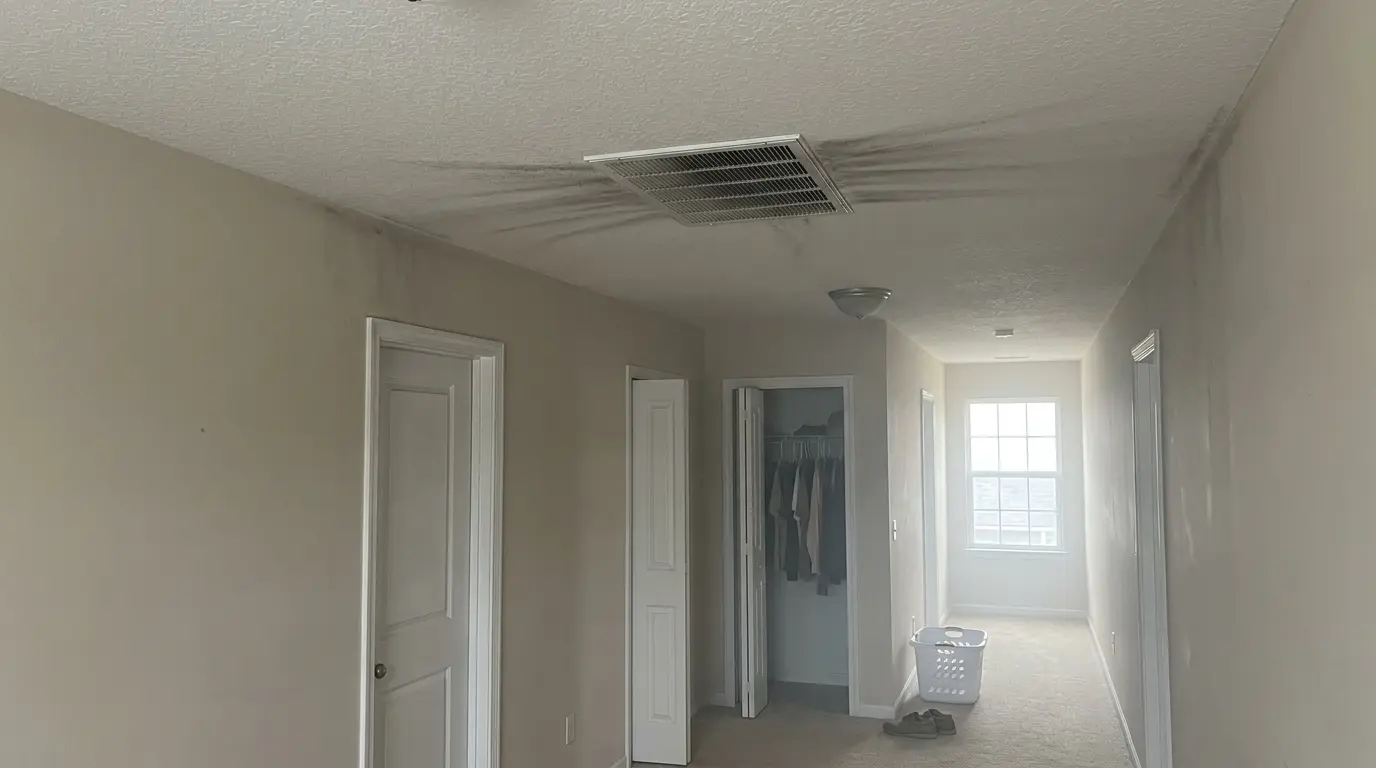
Typical homeowners policy wording treats smoke damage as an insured loss when the smoke was sudden and accidental, and that can include smoke from a fire that never touched your Nampa house. The standard HO-3 homeowners form, in the Insurance Services Office's 2000 edition posted online as a sample policy, names "sudden and accidental damage from smoke" as a covered peril for your belongings. Homeowners policies typically cover damage from wildfires, smoke, soot and ash, according to wildfire guidance from the National Association of Insurance Commissioners. What qualifies as smoke damage is physical: soot and residue that a fire or a furnace puffback left behind. Smoke that built up slowly falls outside that wording.
Your own policy decides, and in Idaho the version that matters is the one you hold today. Insurers in the state have been changing coverages, as the section on renewals below shows.
We handle fire damage restoration in Nampa, smoke cleanup included. We are not your insurer, your agent or a public adjuster, so we can explain how this wording usually works, but only your carrier decides your claim.
Get Your Quote
Ready to handle this with a pro?
You're reading about Does a Typical Homeowners Policy Cover Smoke Damage to a Nampa House. Get a fast quote for water damage restoration service in Boise, ID from Apex Restoration.
Does a Typical Homeowners Policy Cover Smoke Damage to a Nampa House?
In the sample form it can, through two parts of the policy that end up asking the same question.
The house itself. For the dwelling, the form insures "against risk of direct physical loss" unless an exclusion applies. Smoke and soot are listed in that form as pollutants, and their release is excluded unless a peril the form names for your belongings, such as fire or sudden and accidental smoke, caused it. Soot across your ceilings after a fire fits that wording. Residue from something gradual does not.
Your belongings. For furniture, clothing and other personal property, the form insures against a list of named perils. Fire or lightning is on that list, and so is smoke: "sudden and accidental damage from smoke, including the emission or puffback of smoke, soot, fumes or vapors from a boiler, furnace or related equipment."
So for both halves, the question under that form is whether a fire or another sudden, accidental event the form names put the smoke there. Smoke damage in that sense is the physical result: soot on walls and ceilings, residue worked into carpet, upholstery and insulation, a film inside cabinets and closets.
Two checks belong to your own policy, not the sample:
The form name and edition on your declarations page. The sample is a 2000 edition, and your carrier may use a newer edition or its own form, so its smoke wording can differ.
Living expenses, if smoke keeps you out of the house for a while. That part of the policy, along with starting the claim and keeping the paperwork, is in our guide to the first days after a house fire.
Is Smoke From a Wildfire or a Neighbor's Fire Covered if Your Nampa Home Never Burned?
Often, under typical wording, because the smoke peril in the sample form turns on "sudden and accidental damage from smoke" and says nothing about where the fire started. Smoke from a wildfire miles away, a house fire next door or a grease fire on your own stove can all fit that wording. What changes from case to case is whose policy responds and what evidence the smoke left behind.
Whose policy. Your own policy is the one written for your Nampa house, and the sample form's smoke wording does not ask who started the fire. A neighbor's homeowners policy is written for the neighbor. Its personal liability coverage, in the sample form, pays damages its insured is "legally liable" for. That route depends on the neighbor's liability, and your own smoke wording does not.
Why neighbors get different answers. Two houses on the same Nampa street can settle differently after the same fire, because coverages, deductibles and policy limits "may be different even if the damage looks the same," as the Post-Disaster Claims Guide on the Idaho Department of Insurance's site notes.
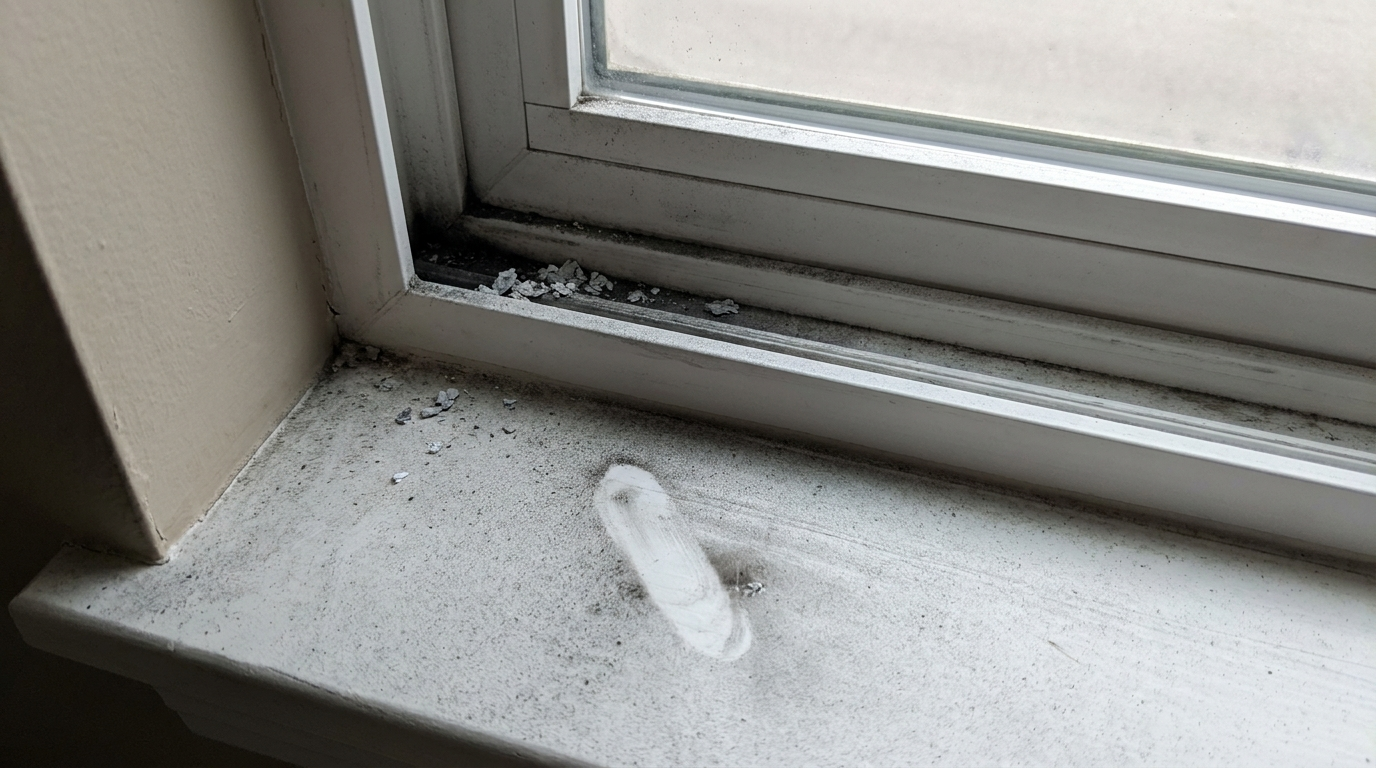
What the smoke left. When the fire was somewhere else, the evidence is what the smoke left inside your house: a gray film on window sills and in the window tracks, soot on the ledges above doors, residue on the inside of closet and cabinet doors. The inspection section below covers where to look beyond that.
If the smoke came from a wildfire, clearing the air and surfaces is a separate job, and our guide to wildfire smoke in an Idaho house covers it.
Which Kinds of Smoke Damage Does a Policy Usually Leave Out?
The sample form points to three kinds, and your own policy may add more.
Smoke that built up slowly. Tobacco smoke absorbed over many seasons, candle soot, a fireplace that drafts poorly every winter: none of it is the "sudden and accidental" smoke the form names, and the dwelling side of the form excludes "wear and tear, marring, deterioration."
Soot from heating equipment nobody serviced. The form's covered smoke includes the puffback of soot from a furnace, which is a sudden event. Soot that seeped from a neglected furnace or chimney across a whole heating season is gradual, and it sits closer to the wear and tear exclusion than to the smoke peril.
Smoke from farm smudging or industrial operations. The form excludes "smoke from agricultural smudging or industrial operations" by name, for the house and for your belongings.
If your Nampa house has been sitting empty, read the vacancy wording too, which in the sample form sits apart from the smoke peril.
Your carrier's exclusions may be worded differently or go further, and an endorsement can change them, so the exclusions in your own policy and its endorsements are the ones that count.
Get Your Quote
Ready to handle this with a pro?
You're reading about Why Should Nampa Homeowners Reread Their Smoke Coverage After an Idaho Renewal. Get a fast quote for water damage restoration service in Boise, ID from Apex Restoration.
Why Should Nampa Homeowners Reread Their Smoke Coverage After an Idaho Renewal?
Because a smoke claim is read against the wording in force on the day of the loss, and Idaho's property insurance market has been moving. In the sample form, the policy "applies only to loss which occurs during the policy period." None of what follows is specific to Nampa: it is statewide, from the Idaho Department of Insurance.
Idaho had 91 property insurance companies in 2023, and as of April 2025 roughly 22 to 25 of them had nonrenewed some or all of their policies, partly over wildfire concerns, according to the department's director in its market data call announcement. Companies were also "increasing premiums, changing coverages, and pausing or ceasing writing in some areas of the state due to wildfire risk," the same release said.
By May 2026, insurers had "increasingly adjusted premiums, modified coverages, and in some cases paused or stopped writing new business in higher-risk regions of the state," according to the department's release opening a second data call.
Idaho also gives insurers room at renewal. The state places few limits on canceling or nonrenewing property insurance, according to the department's page on home policy cancellation, though the insurer must send written notice with the effective date and the reasons.
So when your renewal arrives, set it beside last year's and compare:
the policy form and edition named on the declarations page
the dwelling and contents limits
the deductible
any new endorsement that mentions smoke, wildfire or fire
If you were nonrenewed and moved to a new carrier, read the new form's smoke peril and exclusions from the start, because they may not match the old ones. What the same market shift means for water damage coverage is in our guide to Idaho homeowners insurance and water damage.
Should a Smoke Claim Inspection Reach the Ductwork and Attic of Homes in Nampa?
Yes, if smoke got inside, because the residue settles where nobody walks through. After wildfire smoke, a thorough inspection covers basements, crawl spaces, attics, the heating, cooling and ventilation duct systems, and cavities, by the list in the Smoke Restoration Guide from United Policyholders, a nonprofit for insurance consumers. Attic insulation "acts like a smoke sponge," the same guide says, and porous soft goods such as clothing hold onto smoke smell, which makes closets worth adding to your own list. That list is written for wildfire smoke, so treat it as a checklist to raise with your adjuster, not as a rule about your policy.
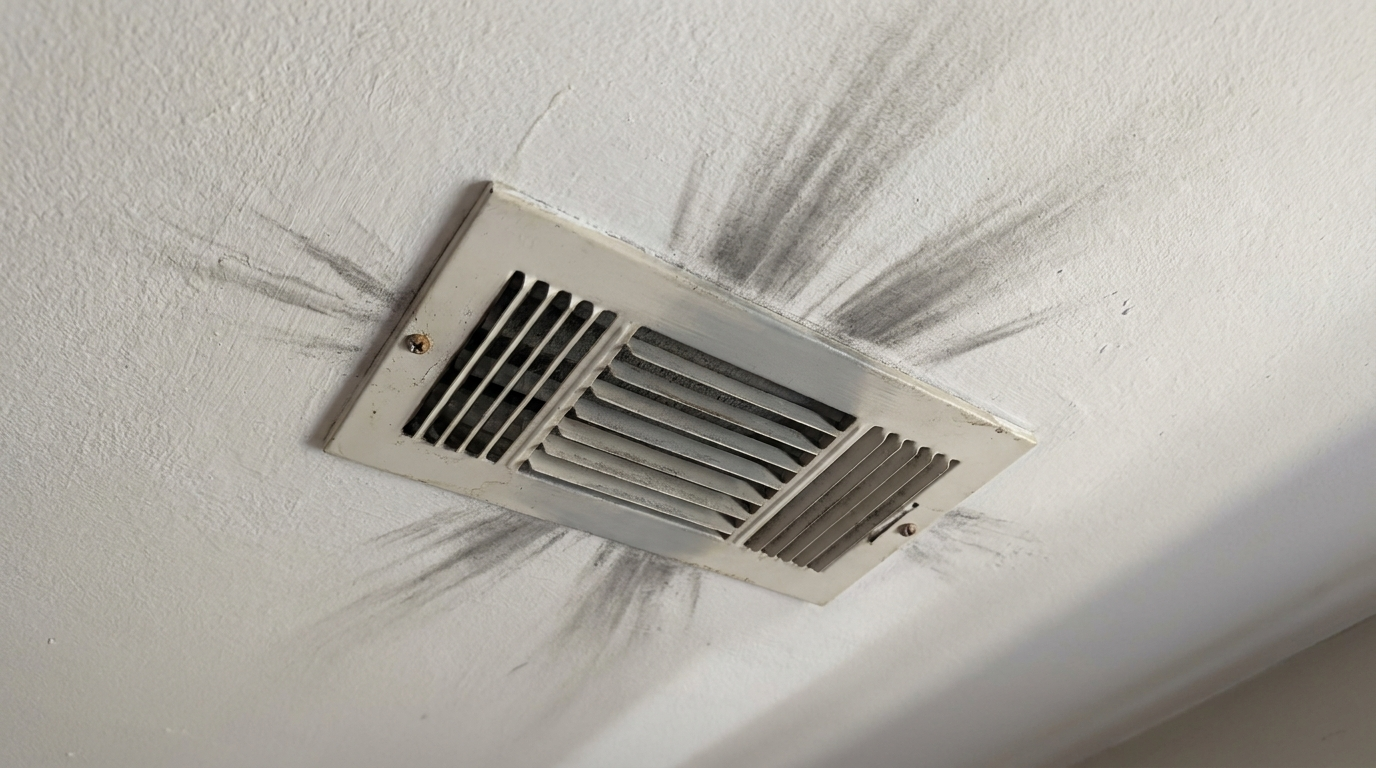
Point those places out at the visit. Be home when the adjuster comes, as the Post-Disaster Claims Guide advises, and show the attic hatch, the supply registers and the closets. Say plainly which rooms smelled of smoke and where you saw residue.
How to prove smoke damage. Proof is what the inspection records: residue photographed where it settled, and a written list of every area checked, the attic and the ductwork included. When you and the insurer disagree about whether residue is there at all, surface testing with swabs or tape lifts can document it, as the smoke restoration guide describes.
Ask for a second look if the smell comes back. After heavy smoke, a smell that persists past cleaning can mean the wall cavities need checking, by that guide's account. Tell the adjuster in writing that the smell has returned, and ask for another look at the areas the first inspection did not open.
What Are Your Options in Nampa if You and the Insurer Disagree on a Smoke Claim?
Say you and the adjuster disagree about whether the sofa can be cleaned, or whether the attic insulation has to come out. Nothing here is specific to Nampa: the Idaho Department of Insurance helps with questions and complaints about Idaho insurance policies and claims, and the first route is a conversation with your adjuster, not a complaint.
Start with the adjuster. Explain what you disagree with and why, and send whatever supports your view. If you disagree with the insurer's initial determination of the cause or value of your loss, you can give the adjuster documentation from your own expert for review and consideration, according to the department's home and renters claims page. If any part of the claim is denied, ask for the denial in writing and keep the paperwork, as the Post-Disaster Claims Guide advises.
Consumer Affairs at the Idaho Department of Insurance. If talking with the insurer has not settled it, the department's Consumer Affairs section is a free, unbiased resource that helps consumers resolve disputes with insurance companies and agents. Before you file, the department asks whether you have already tried your insurer or agent, and whether the matter involves an Idaho insurance policy or claim (consumer complaint page). The department does not adjust claims or decide the cause or value of a loss. Its role, per its claims page, is to make sure the insurer handles the claim in line with the Idaho Insurance Code and your policy.
Appraisal or arbitration, when the gap is about cost. If you and the insurer cannot agree on how much the repair or replacement will cost, the Post-Disaster Claims Guide describes two ways to settle it without going to court. Appraisal begins with two appraisers comparing their estimates, and it "only determines costs, not if your policy covers these costs." You pay some of its costs, and the share depends on state law. If your policy has an appraisal clause, you must go through appraisal before you can sue your insurer. Arbitration is the other route, and some policies require it; the arbitrator's decision is usually binding, so you cannot go to court to appeal it. If the insurer denied the claim and you think it should have paid, the same guide says to contact your state insurance department for help before you use arbitration or file a lawsuit, and in Idaho that is the department above.
Hiring a public adjuster is another route, and the house fire guide linked above covers it.
Get Your Quote
Ready to handle this with a pro?
You're reading about Who Cleans and Documents Smoke Damage for the Claim on a Nampa Home. Get a fast quote for water damage restoration service in Boise, ID from Apex Restoration.
Who Cleans and Documents Smoke Damage for the Claim on a Nampa Home?
Three parties each have a job. Your insurer's adjuster inspects, reads the policy and decides what is covered. A restoration company cleans the smoke and soot and records what it found. You choose the contractor, approve the work and keep the paperwork.
The adjuster and the contractor talk to each other. Once you have chosen a contractor who has evaluated the damage, it is common for the adjuster to discuss the scope and estimate with that contractor, according to the department's claims page.
Smoke, soot or ash on a property that did not burn is work we do. Our smoke damage cleanup serves Nampa and the rest of the Treasure Valley, and for the city next door, our page on restoration in Caldwell lists the services we offer there. We work directly with the carrier and the adjuster on the claim and the documentation, and we document each loss with DocuSketch. Coverage stays your insurer's decision.
The Bottom Line on Smoke Damage Coverage in Nampa
Typical policy wording, like the standard HO-3 form, treats sudden and accidental smoke damage as insured, and that can include smoke from a fire that never reached your house. Your own policy decides.
Smoke that built up slowly, from tobacco, candles or a poorly drafting fireplace, falls outside that wording, and soot from an unserviced furnace sits closer to the wear and tear exclusion. The form also excludes smoke from agricultural smudging or industrial operations.
Your own policy is the one written for your house. A neighbor's liability coverage turns on whether the neighbor is legally liable.
Idaho insurers have been changing coverages, so compare each renewal's form, limits, deductible and endorsements with last year's, because the new wording may not match the old.
Ask that the smoke inspection reach the attic, the ductwork and the closets, not just the rooms you can see. If the smell comes back after cleaning, tell the adjuster in writing and ask for another look.
If you and the insurer disagree, start with the adjuster, who can review documentation from your own expert. If that does not settle it, the Idaho Department of Insurance's Consumer Affairs section helps with disputes over Idaho policies and claims; contact it before arbitration or a lawsuit over a denied claim. Appraisal settles cost, not coverage, and an arbitrator's decision is usually binding.
We clean and document smoke damage and work with your carrier and adjuster. Whether a claim is paid is your insurer's decision.
Apex Restoration Team
Water Damage & Restoration Specialists
We're the Apex Restoration team — a family-owned, IICRC-certified crew handling water damage, mold, and abatement across Boise, the Treasure Valley, and Eastern Washington & North Idaho. We answer 24/7 and write these guides to help homeowners make calm, informed decisions when water, mold, or hazards show up.
Related Posts
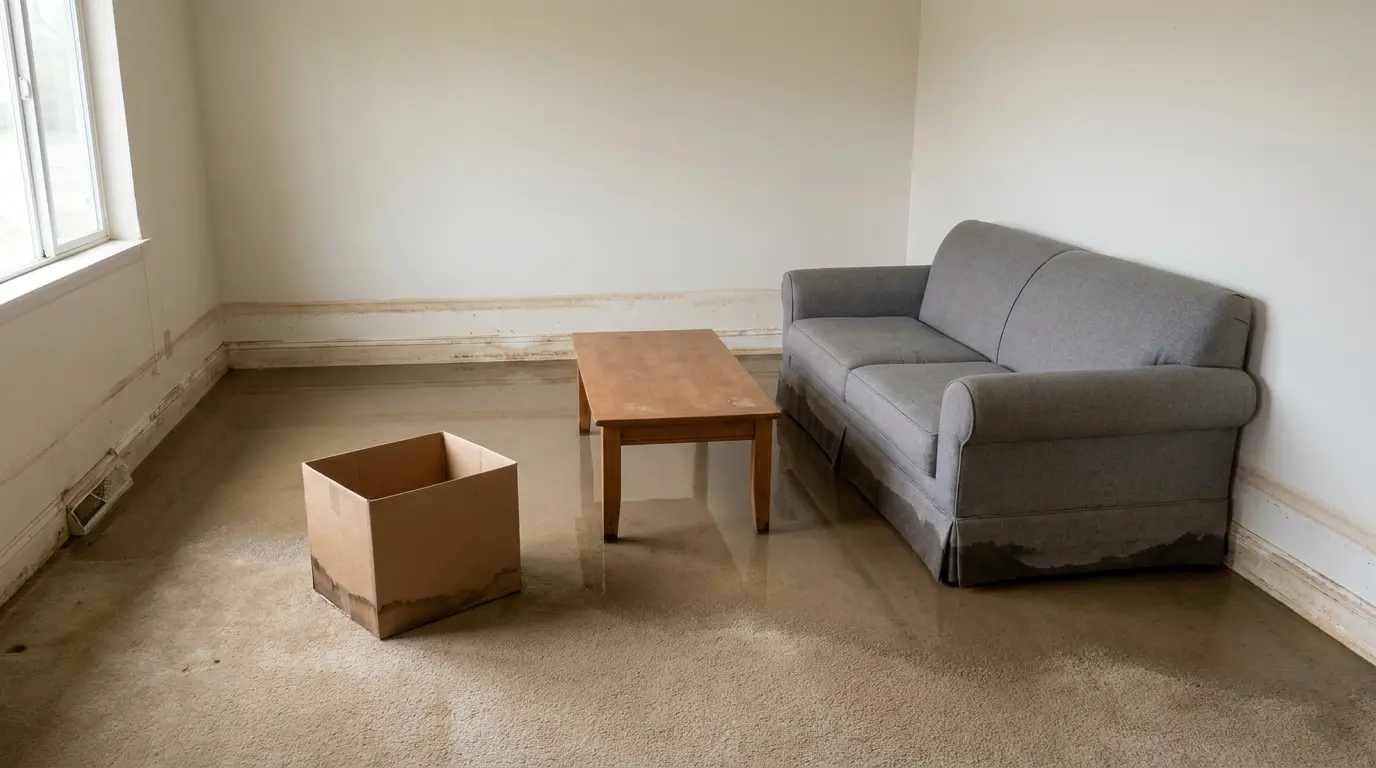
Does Homeowners Insurance Cover Flooding in Garden City?
Homeowners policies typically exclude flood, so here is what an NFIP policy covers in Garden City, when a lender asks for one and how the 50% rule works.
Does Your Mountain Home, ID House Have Polybutylene Pipes?
Built or replumbed between 1978 and July 1995? Your Mountain Home house could have polybutylene. How to tell, where to look and when to call a plumber.
How Long Does a Landlord Have to Fix Mold in Boise?
Boise's three business days cover housing code violations, not mold by name. Who fixes what, tenant notices, rent, retaliation and who removes mold.