
Mold vs Mildew Spokane: Differences, Causes and What to Do
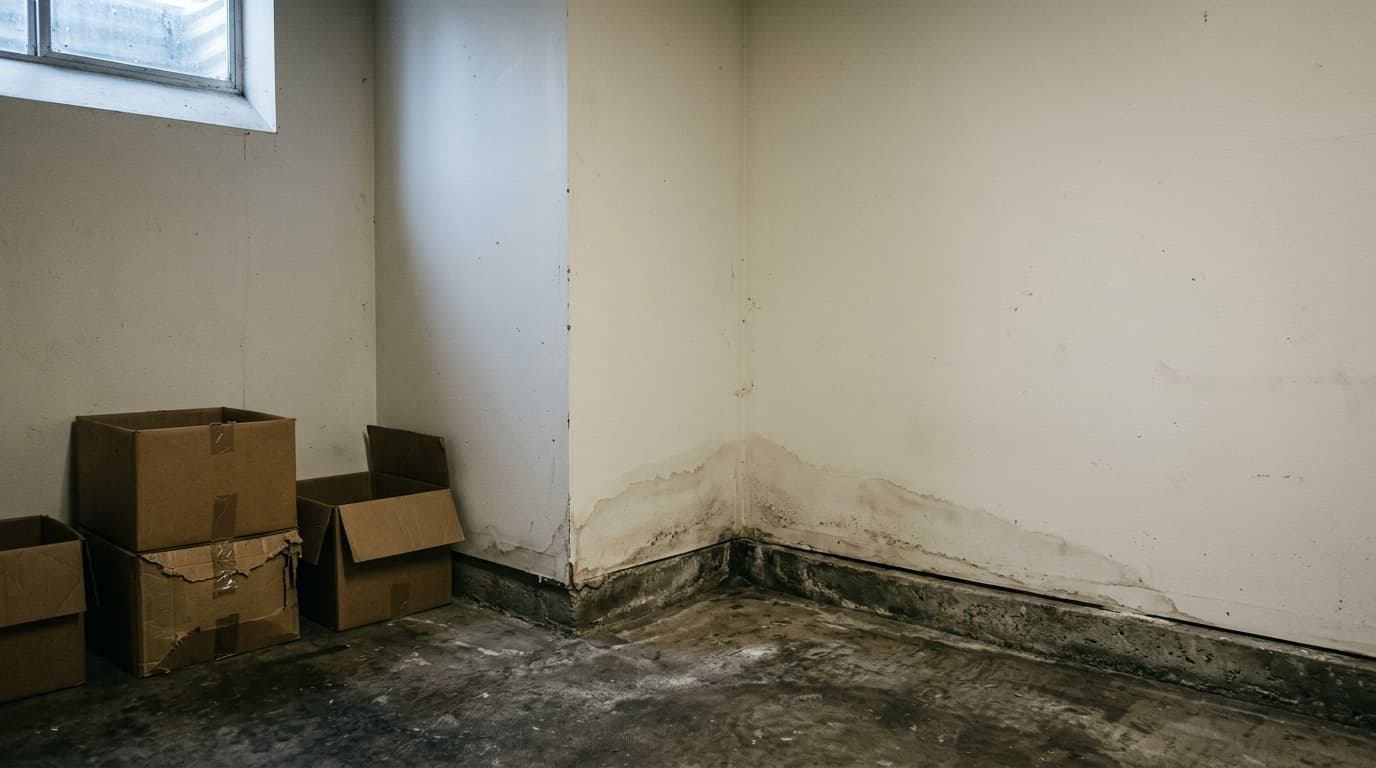
Not sure if you have mold or mildew in your Spokane home? We can help. It does not matter if you live on the South Hill, out in Spokane Valley, or over in Coeur d'Alene. Here are the differences, the causes, and what to do about mold vs mildew.
We handle water damage restoration in Spokane. This is one of the most common questions we get on the phone. The honest answer surprises most people. Mold or mildew is the wrong question to ask. There is a better one underneath it.
Get Your Quote
Ready to handle this with a pro?
You're reading about How Do You Tell Mold vs Mildew Apart in a Spokane Home. Get a fast quote for water damage restoration service in Boise, ID from Apex Restoration.
How Do You Tell Mold vs Mildew Apart in a Spokane Home?
Start with the part most articles get wrong. Mildew is not a different thing from mold. Mildew is a kind of mold.
The EPA says it plainly: "Mildew refers to certain kinds of mold or fungus. The term mildew is often used generically to refer to mold growth, usually with a flat growth habit."
So when you ask if it is mold or mildew, you are really asking something else. You are asking if it is mold, or a kind of mold that grows flat.
That may sound like splitting hairs. It is not. It changes what you do next. If mildew were harmless and totally different, "it's just mildew" would let you relax. But it is not different. So that is not a reason to relax.
Here is the question that actually helps: is the growth on top of the surface, or is it inside the material?
On top of a hard surface. Think tile, glass, sealed stone, or painted metal. Growth here has nothing to sink into. This is a cleaning job.
Inside a soft material. Think drywall, bare wood, carpet, insulation, or ceiling tile. These soak up water. Mold grows in thin threads called hyphae. Those threads run down inside. Wiping the face takes off what you can see. It leaves what you cannot.
That question tells you what to do. Fuzzy versus powdery does not. And you cannot name a mold species just by looking at it anyway.
How Do Mold and Mildew Look Different on Spokane Bathroom Tile?
The flat kind people call mildew shows up in the same few spots in almost every Spokane house we walk through. Grout lines in the shower. The rubbery bead where the tub meets the tile. The bottom corners of a window. The back of a toilet tank. The ceiling right above the shower head.
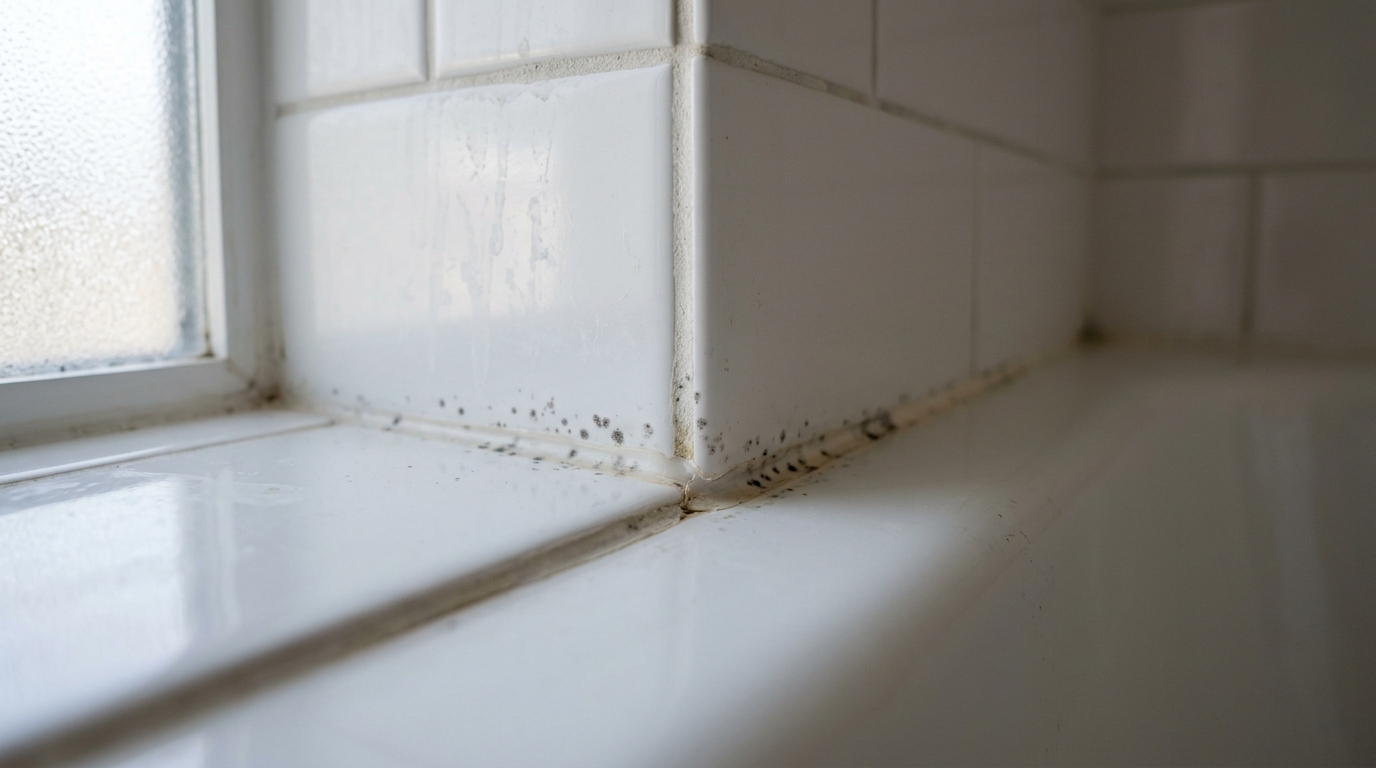
Flat growth sitting on grout and caulk. The tile next to it is clean. That is what growth on a hard surface looks like.
It usually starts as small scattered dots. Then it spreads out flat instead of digging in. Early on it can look white or gray. It is easy to mistake for soap scum or hard water spots. Left alone, it turns brown or black.
Older Spokane homes make this worse in one way. Many houses on the South Hill, in Browne's Addition, and around West Central were built before bathroom fans were standard. Plenty still have no fan at all. Some have a fan that blows into the attic instead of outside. A bathroom that cannot dry out gives flat growth a permanent home. Scrubbing will not change that. If you clean the same grout line three times a year, the fan is your problem. Not the grout.
On tile and glass, this is a job you can do yourself. UConn Extension's guide to cleaning mold covers the steps and the safety gear worth using. The important part comes after. If the surface dries within a day and stays dry, you fixed it. If it comes back in a few weeks, water is getting in somewhere. Cleaning cannot reach that.
Where Do You Find Mold and Mildew in a Spokane Basement?
Basements are where the surface-or-inside question really matters. Almost everything in a Spokane basement soaks up water.
We find growth in the same places over and over:
The bottom four to twelve inches of drywall. Water creeps up from the floor slab. The damage sits low, and the wall looks fine at eye level. There is more on checking a wall without cutting into it if that is where you have landed.
Behind and under stored stuff. Boxes sitting right on concrete. Furniture pushed flat against an outside wall. Anything that stops air from moving.
The rim joist. That is the band of wood at the top of the foundation wall. It is usually packed with insulation and out of sight.
Under carpet and padding laid over concrete.
Ceiling tile and the wood under the floor below a kitchen or bathroom.
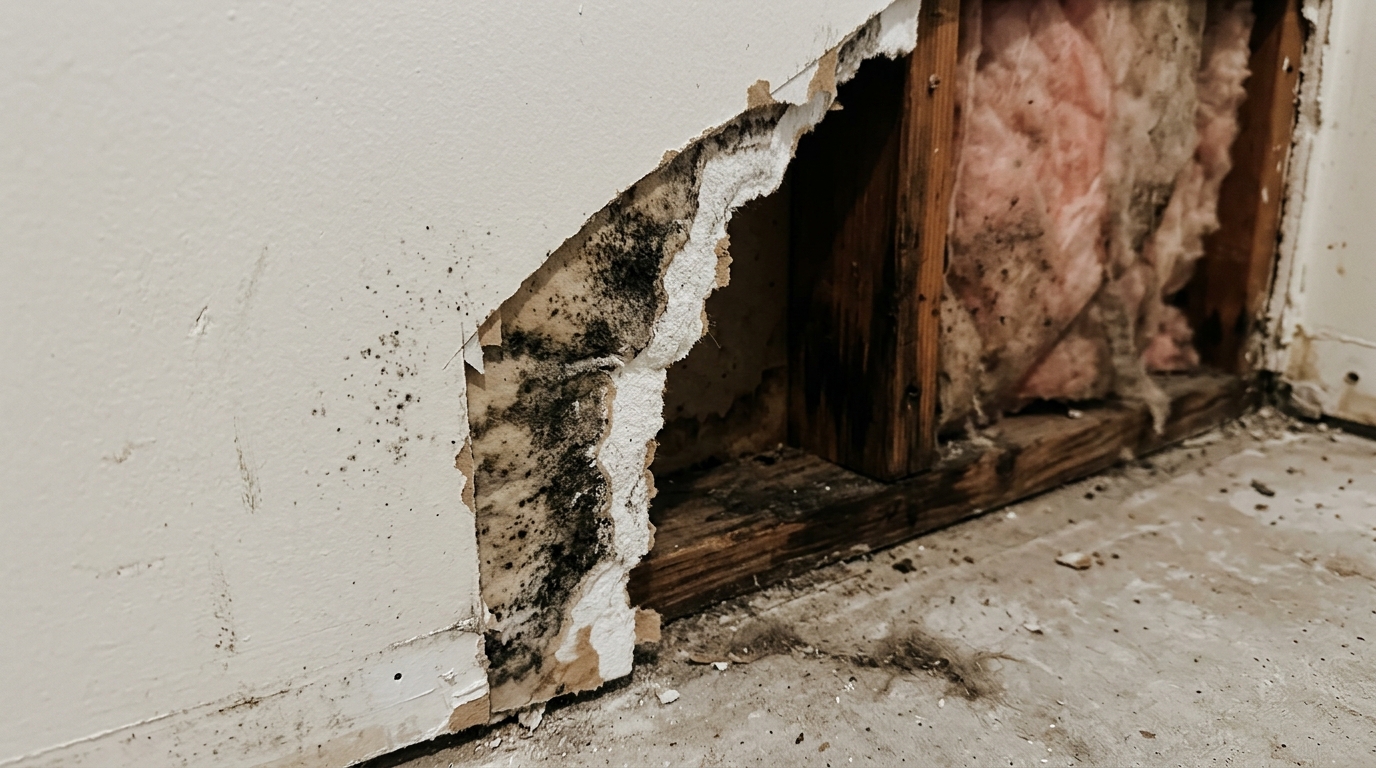
The same piece of drywall, turned over. The painted side showed almost nothing. The back side is where the growth actually was.
Spokane weather drives its own version of this. The city gets 132 nights a year below freezing. It gets about 44 inches of snow. So two things cause most of our calls. A water line freezes and splits in a cold basement. Or melting snow finds a way in during a thaw. Both soak soft materials low on the wall. Both often happen when nobody is home.
Here is the strange part. Our dry summers hide it. August air in Spokane is dry enough that a basement wall can look and feel normal. Meanwhile the material behind it still holds water. The problem shows up in October, when the furnace kicks on and the house closes up.
One more thing worth knowing, because it cuts against the scary stuff you will read elsewhere. The USDA Forest Products Lab notes in its guide on mold and mildew that both stain wood but do not weaken it. Surface mold is not eating your floor beams. What it does tell you is that the wet conditions letting it grow can also lead to rot. And rot is a real problem. Think of the growth as the smoke alarm, not the fire.
Get Your Quote
Ready to handle this with a pro?
You're reading about Do Mold and Mildew Smell Different in a Spokane Home. Get a fast quote for water damage restoration service in Boise, ID from Apex Restoration.
Do Mold and Mildew Smell Different in a Spokane Home?
Not really. And that is the useful part of the answer.
Both give off the same musty smell. It comes from gases the growth releases as it feeds. The EPA notes on the same page that in closed-up spaces like basements, molds "can produce a strong musty odor." Mildew usually smells fainter. But that tells you how much there is, not which one you have. You cannot tell them apart by smell.
What the smell does tell you is more useful. Growth on tile you can see. But a smell that reaches you across a room means the gases are coming out of a material. So the growth is inside something. Maybe a wall. Maybe carpet padding. Maybe the rim joist.
A basement that smells musty with nothing showing is not a false alarm. It is usually the first real warning you get. It is also the most common reason we end up opening a wall. If the smell fills the whole basement instead of one spot, that is a different problem. We covered what causes a musty Spokane basement and how to trace it separately.
One thing that does not help is a mail-in air test. NC State Extension says testing is usually not useful for homeowners. Mold spores are in every building. A positive result tells you nothing new. Finding the water is the real work. A test result is not.
Is Black Mold More Dangerous Than Mildew in a Spokane Home?
This is where the internet gets loudest and least helpful. So we will be careful here.
"Black mold" is not a real scientific category. People usually mean one species called Stachybotrys chartarum. But lots of unrelated molds are also black. Color is not a reliable way to name any of them. You cannot look at a dark patch and know what it is. Neither can we. That takes lab work, and as noted above, it is usually not worth paying for.
On health, we will point you to the people who study it. The National Institute of Environmental Health Sciences covers mold and health, including who it affects most. In general, people react very differently. Those with asthma or allergies tend to be more sensitive. We are a restoration company, not a doctor's office. Questions about symptoms belong with your doctor.
Here is the practical part. It does not depend on the species at all. When growth is in a soft material, the fix is the same whether it is black, green, or white. Find the water. Stop it. Take out what cannot be saved. Dry the space properly. Naming the species almost never changes that plan. Chasing the black mold question mostly just delays the part that works.
Flat growth on your shower tile is a different situation from growth spreading through basement drywall. But the reason is where it is and what it is on. Not the color.
How Long Do Mold and Mildew Take to Grow After Spokane Water Damage?
The honest way to put this is as a window, not a countdown.
The EPA's guide on mold and moisture frames it as an if-then. If wet materials dry within 24 to 48 hours, mold usually will not grow. Miss that window and you are no longer preventing a mold problem. You are managing one.
That is why this work is urgent in a way most home repair is not. Wet soft materials need to dry inside that window, or come out.
Two Spokane details matter here.
First, our summers help the drying and hurt everything else. Dry August air is the best drying weather we get. We can open a place up and move a lot of air. But warm rooms also speed up growth. So a leak in August races toward a mold problem faster than the same leak in April, even while the drying goes quicker.
Second, winter flips it. When it is in the 20s outside, we cannot dry a wet basement with outdoor air. We have to seal the space and pull the water out with equipment. That takes longer. So the 24 to 48 hour clock runs while the drying itself moves slower.
If you want the fuller picture on how a leak becomes a mold problem, we covered that chain in a separate piece.
Get Your Quote
Ready to handle this with a pro?
You're reading about When Should Spokane Homeowners Stop Cleaning Mold and Mildew. Get a fast quote for water damage restoration service in Boise, ID from Apex Restoration.
When Should Spokane Homeowners Stop Cleaning Mold and Mildew?
We would rather tell you honestly where the line is than pretend every spot needs a pro. Most do not.
Clean it yourself when all of these are true:
It is on a hard surface. Tile, glass, sealed stone, metal.
The area is small. Roughly under ten square feet.
You know where the water came from, and it has stopped.
Nobody in the house has asthma or bad allergies.
It has not kept coming back in the same spot.
Stop and get it looked at when any of these are true:
It is growing on something soft. Drywall, bare wood, carpet, insulation, ceiling tile.
You can smell it but cannot find it. That means it is inside something.
It keeps coming back after you clean. The water source is still there.
It followed a water event. A burst pipe, a broken appliance, snowmelt in the basement.
The material feels soft, or looks stained, bubbled, or warped. That is water damage, not a surface problem.
The area is large, or you would have to open a wall to reach it.
The line is not really about danger. It is about reach. Cleaning works on growth you can physically touch. It stops working the moment the growth is inside a material, or fed by water you have not found. Scrubbing a wall that is wet behind the paint is effort spent on the wrong thing.
When it does cross that line, our mold cleanup work starts with finding the water, not the growth. Taking out growth without fixing the water just books the next visit. We do the same across the river in the Valley, where crawl spaces put the same problem under the floor instead of in a basement. And if what you really want to know is the cost, we broke down what drives a mold removal price in detail.
The Bottom Line on Mold vs Mildew in Spokane
Mildew is a kind of mold. It is not an alternative to it. So "it's only mildew" is not the good news those comparison tables suggest.
The difference that matters is simpler. Is the growth sitting on a surface you can clean? Or living inside a material you cannot?
In Spokane, that usually splits along a clear line. Bathroom surface growth is a fan problem you can handle. Basement growth on drywall, wood, or stored boxes almost always traces back to water. A frozen pipe. A thaw. A leak nobody caught. That needs the water found first.
If you can smell it and cannot find it, or it keeps coming back after you clean, that is your sign. We answer the phone around the clock. We would rather take a look and tell you it is nothing than meet the same spot in six months as a much bigger job.
Apex Restoration Team
Water Damage & Restoration Specialists
We're the Apex Restoration team — a family-owned, IICRC-certified crew handling water damage, mold, and abatement across Boise, the Treasure Valley, and Eastern Washington & North Idaho. We answer 24/7 and write these guides to help homeowners make calm, informed decisions when water, mold, or hazards show up.
Related Posts
Does Homeowners Insurance Cover Mold Removal in Caldwell?
Homeowners insurance can pay for mold removal in a Caldwell home when the mold traces back to a covered water event, often only up to a limit. Here's how that limit often works, what an adjuster weighs, and what to tell your insurer.
What Should You Do When a Star Garage Floods?
When a water heater or washer floods a Star garage, stay clear of anything electrical the water reached, stop it at the source, and move it away from the house wall. Here's what to check next, and which board Idaho's code calls for when that wall is repaired.
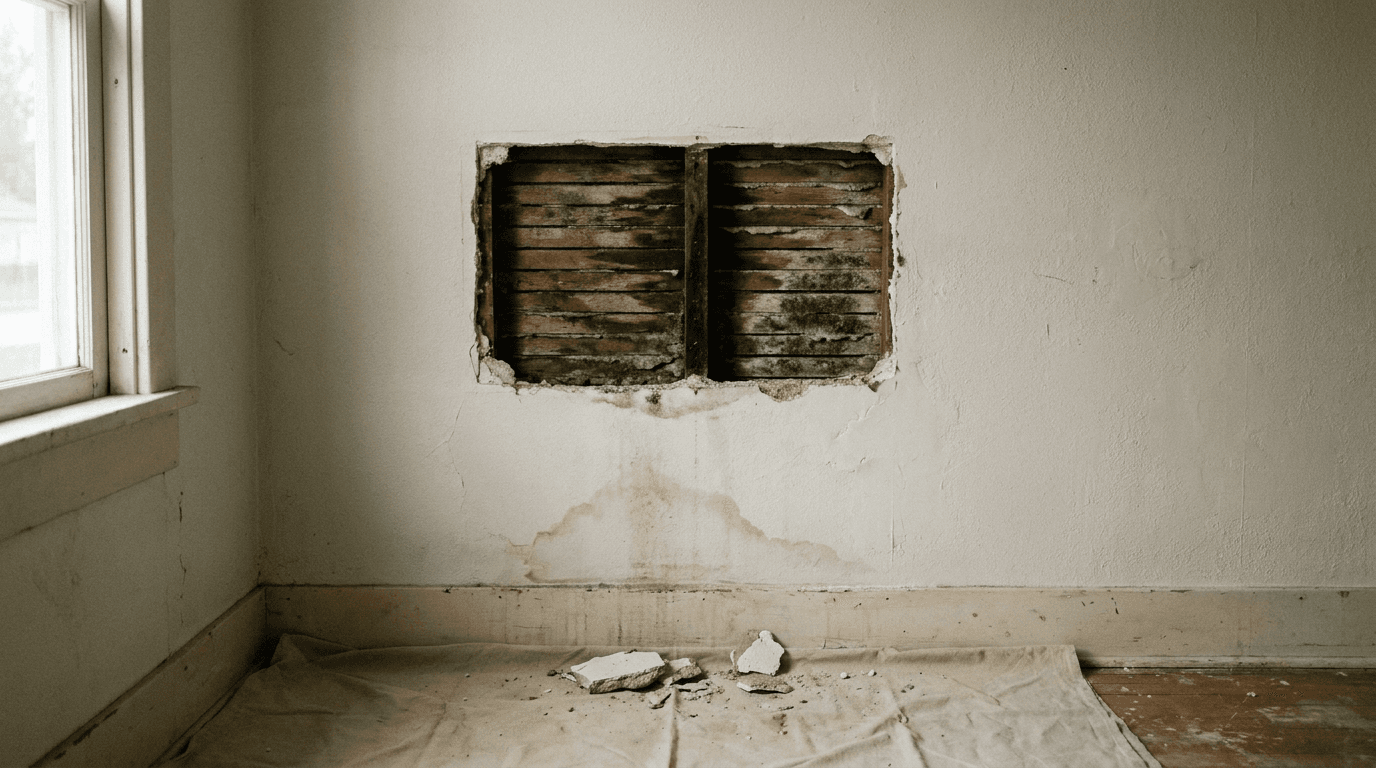
How Do You Find a Water Leak in a Middleton Wall?
A leak inside a Middleton wall can show up in the water bill, a faint running sound or a bubbling paint seam before any stain appears. Here's how to narrow it down, what the City's meter rules mean for you, and when opening the wall makes sense.